Harvest Monday, March 15, 2010

Beware the Ides of March! But maybe that only applies to Julius Ceasar. Seems like yet another beautiful day here in sunny southern California.

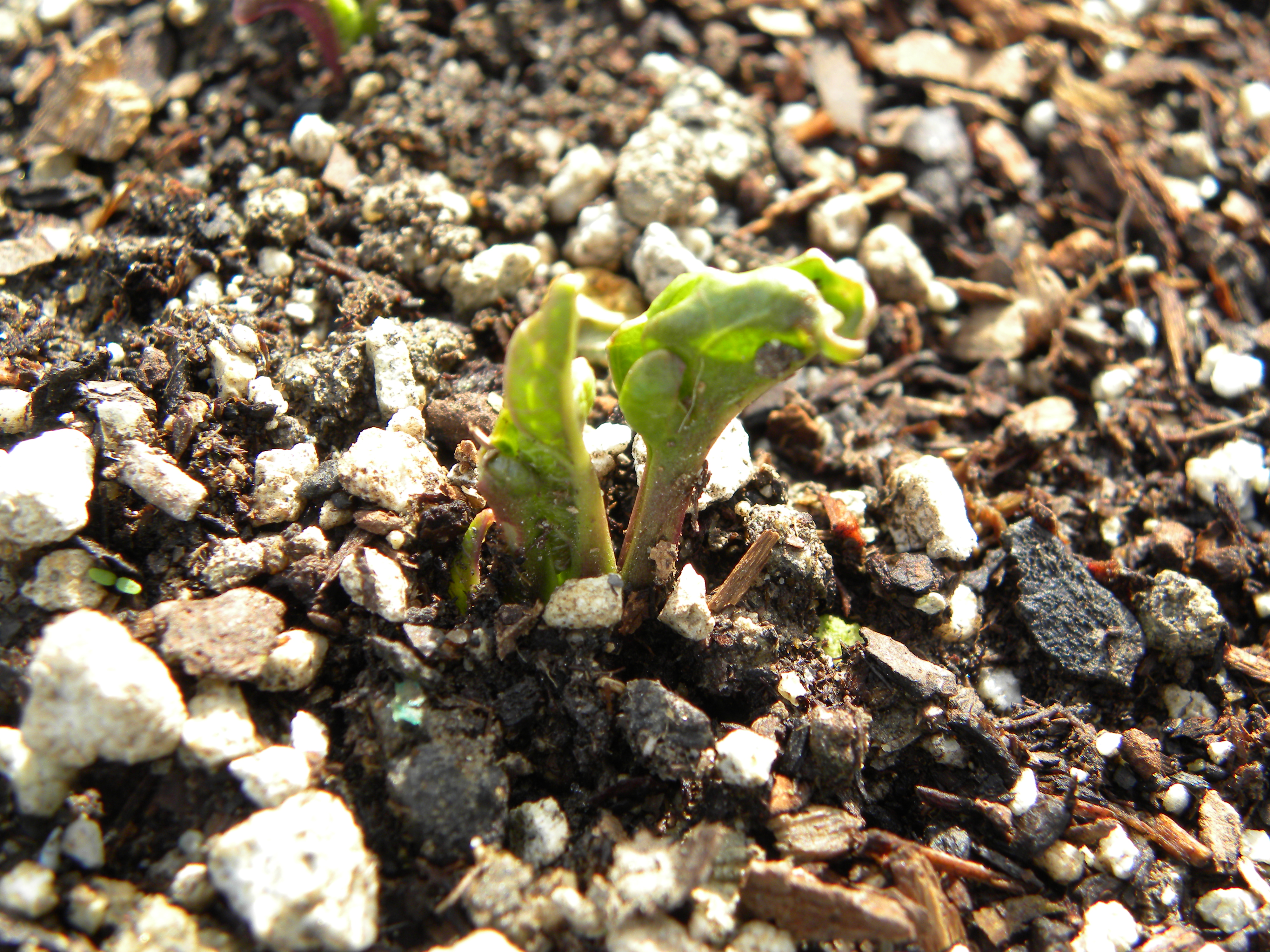
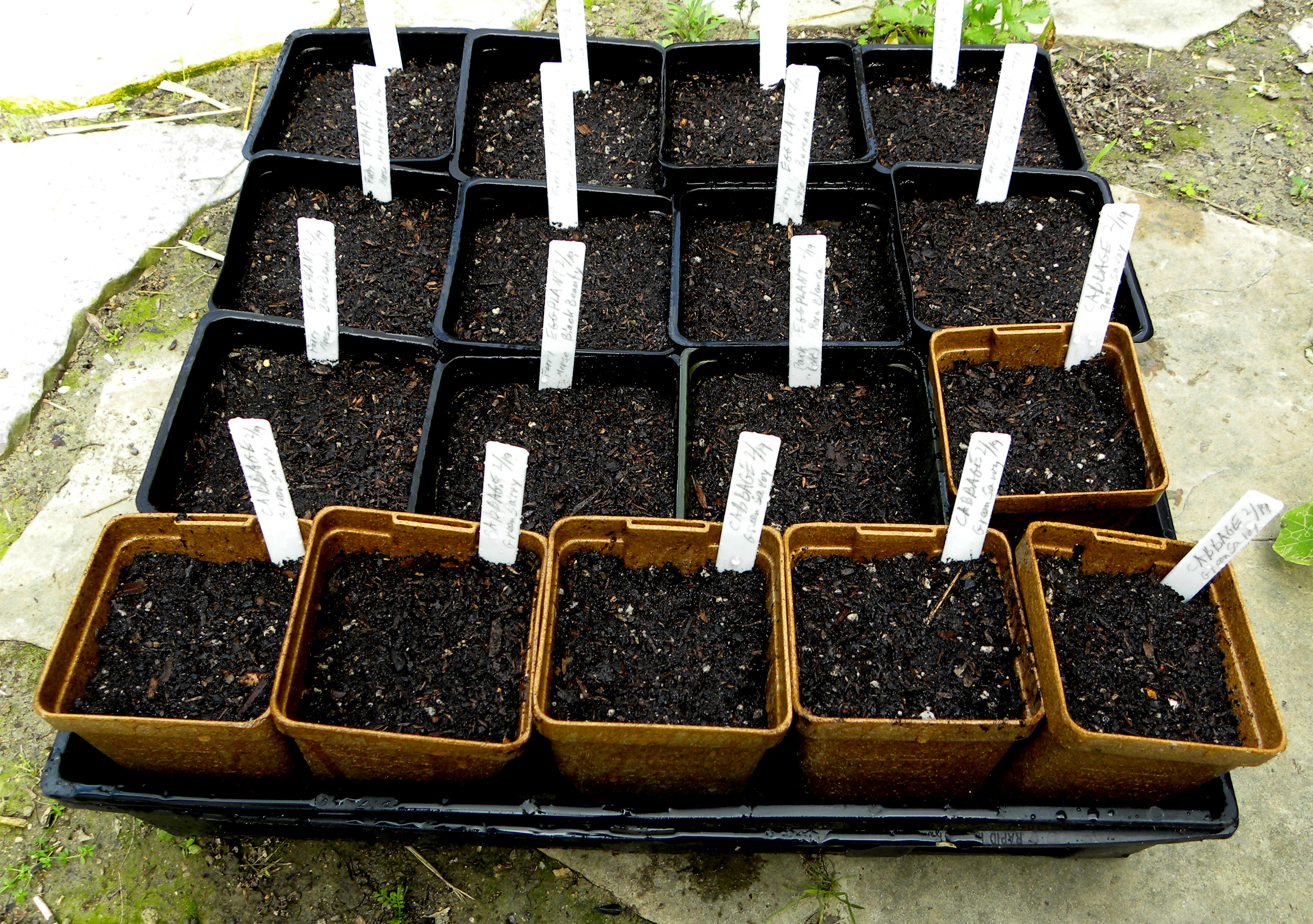
Forecast for LA for this week is temps in the 80s. Wow. That’s unseasonably warm. Here on the coast in Orange County, we don’t expect to get quite that warm, but the warming days should make my tomato and eggplant seedlings grow better. Right now, they’re only showing cotyledon leaves.

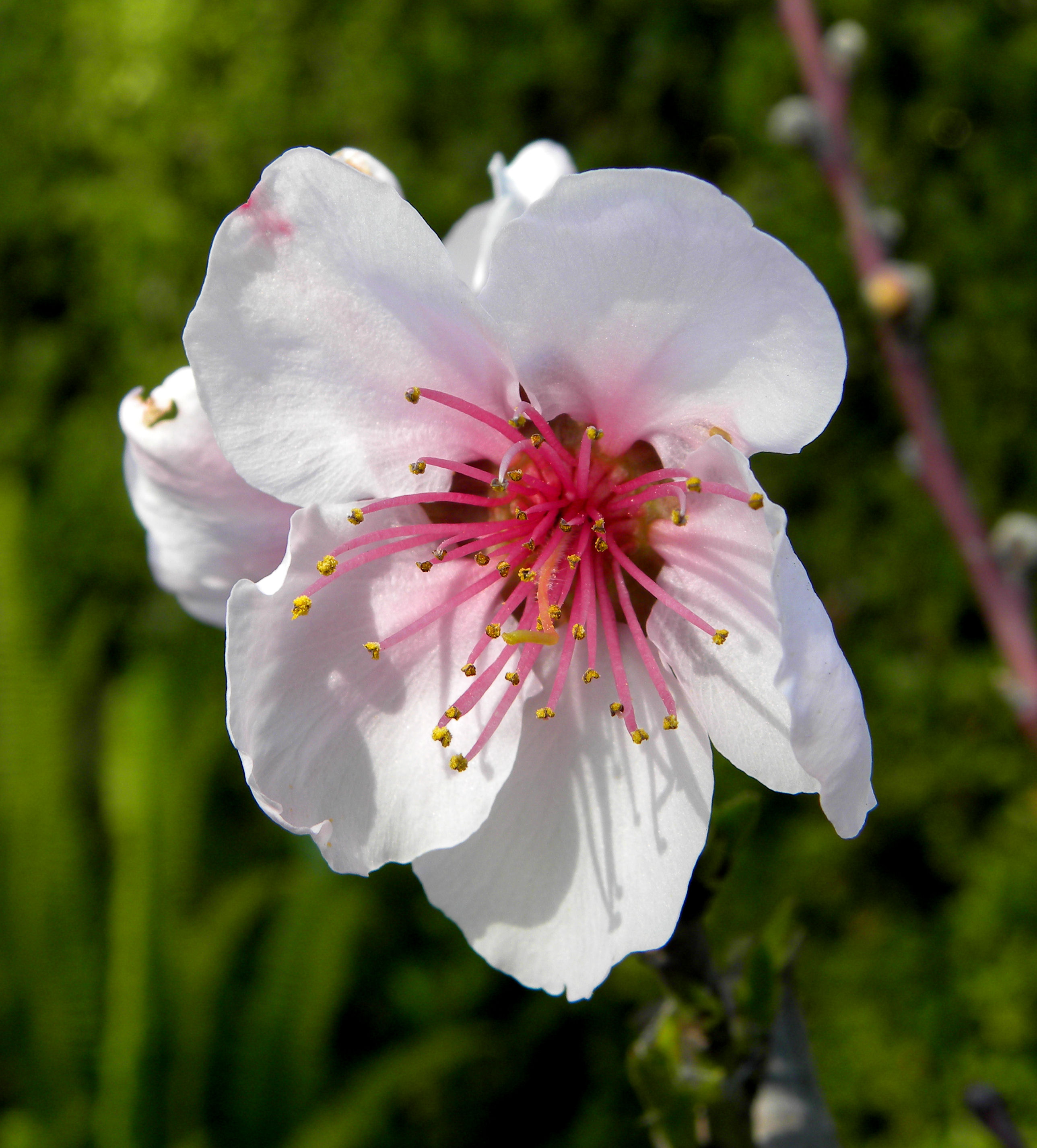
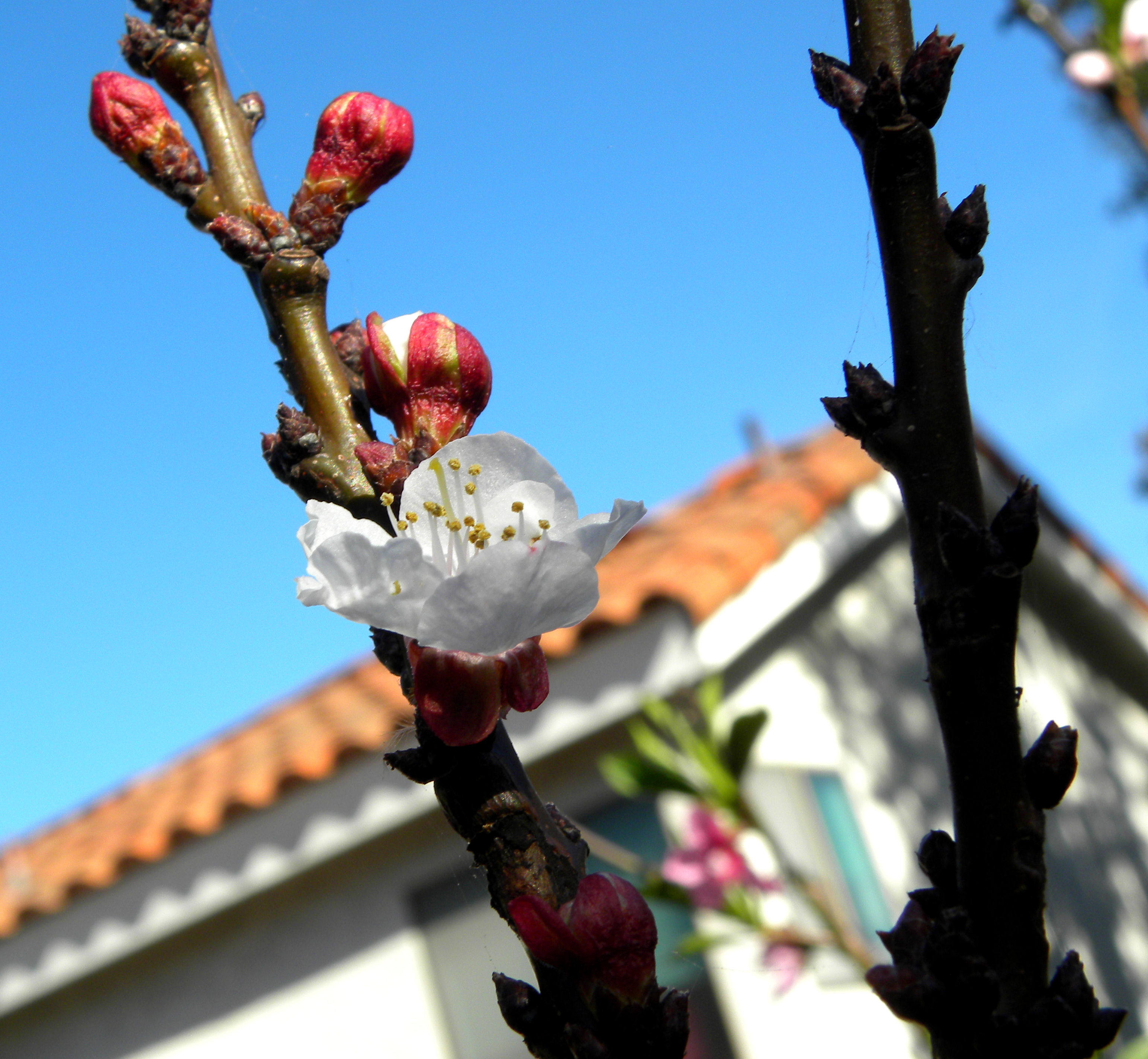
The first blossom on the Katy apricot opened today.

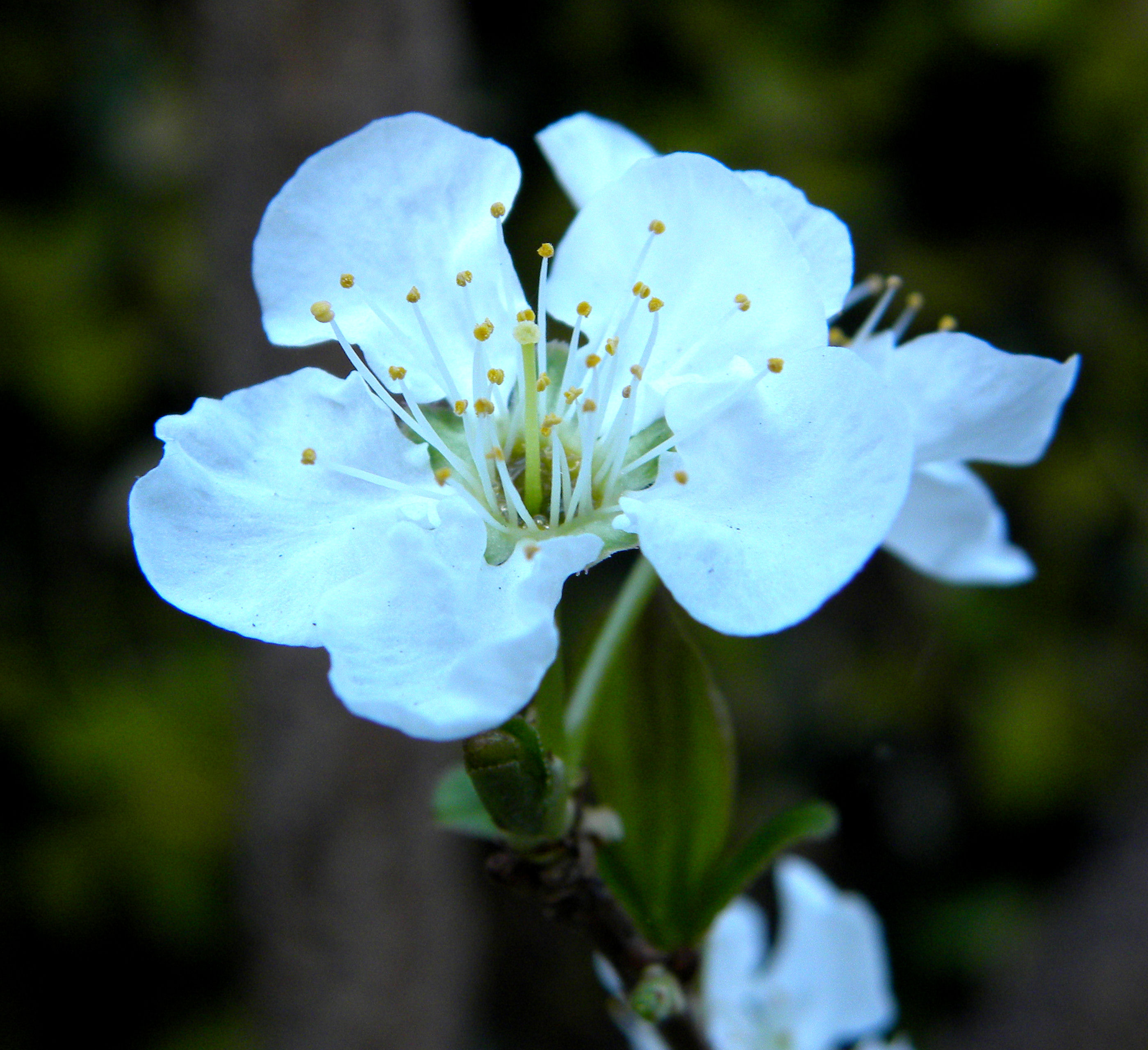
The first blossoms opened on the Santa Rosa plum as well.

The first blossoms on my Katy apricot and Santa Rose plum opened today. I’m hoping for a good fruit harvest this summer, but it’s likely to be mostly peaches and nectarines. The blossoms on the apricot and plum are pretty sparse. We had the plum pruned this spring, so it has a good excuse for low production. I’ve heard that apricots produce heavily only every other year, and this doesn’t seem to be its year.

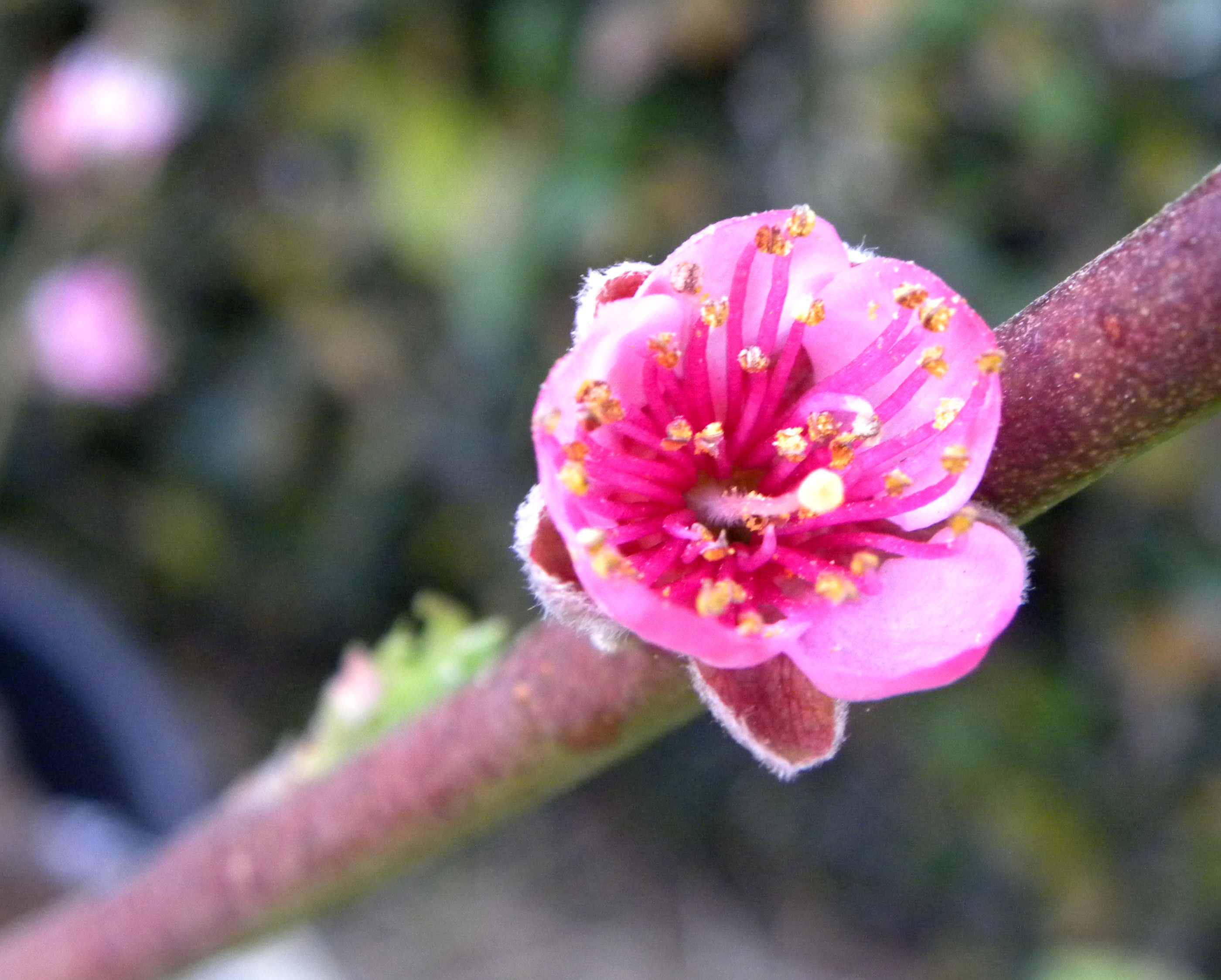
The first blossoms opened on the Improved Babcock peach a days ago. They're not very decorative. Maybe the petals will get bigger later.

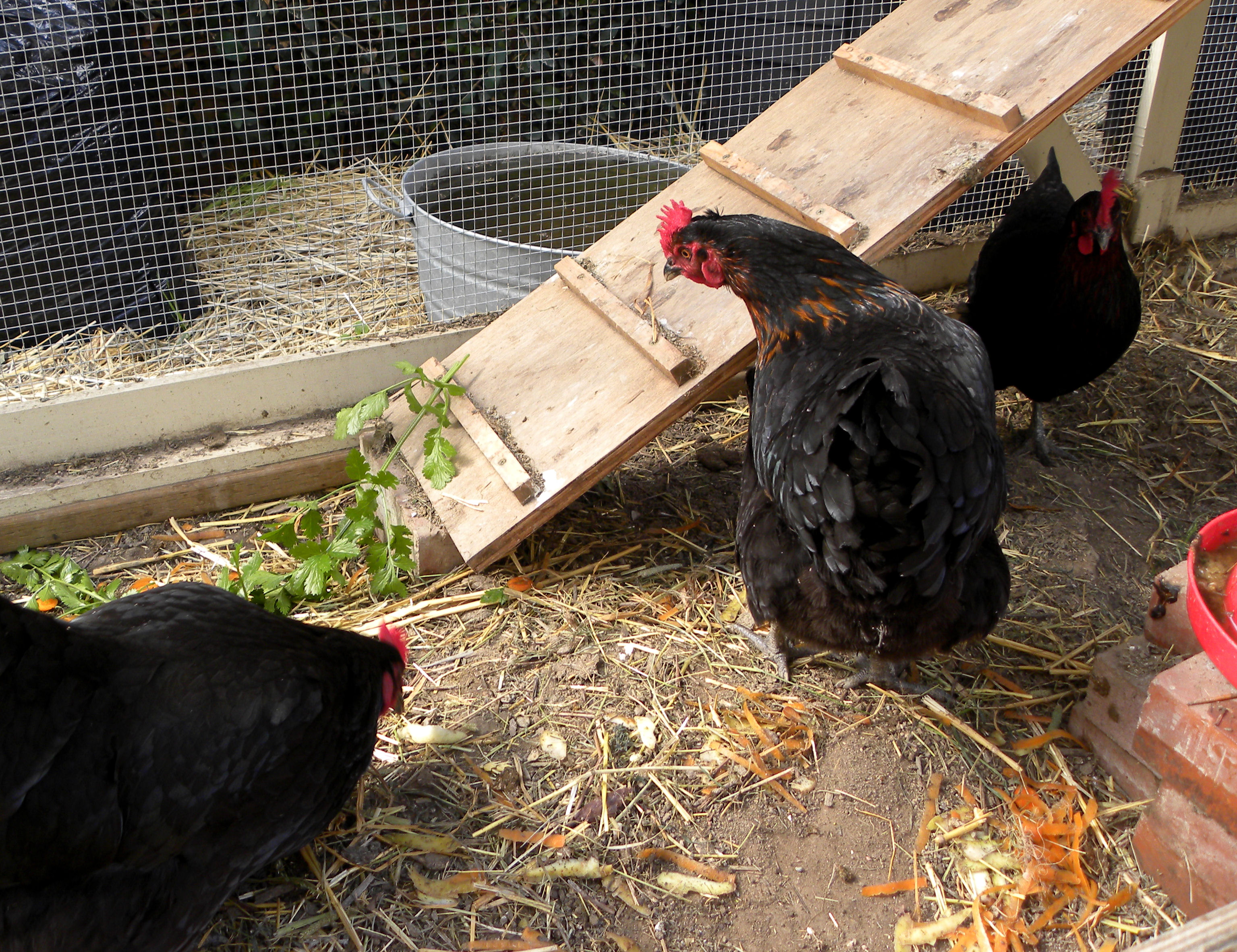
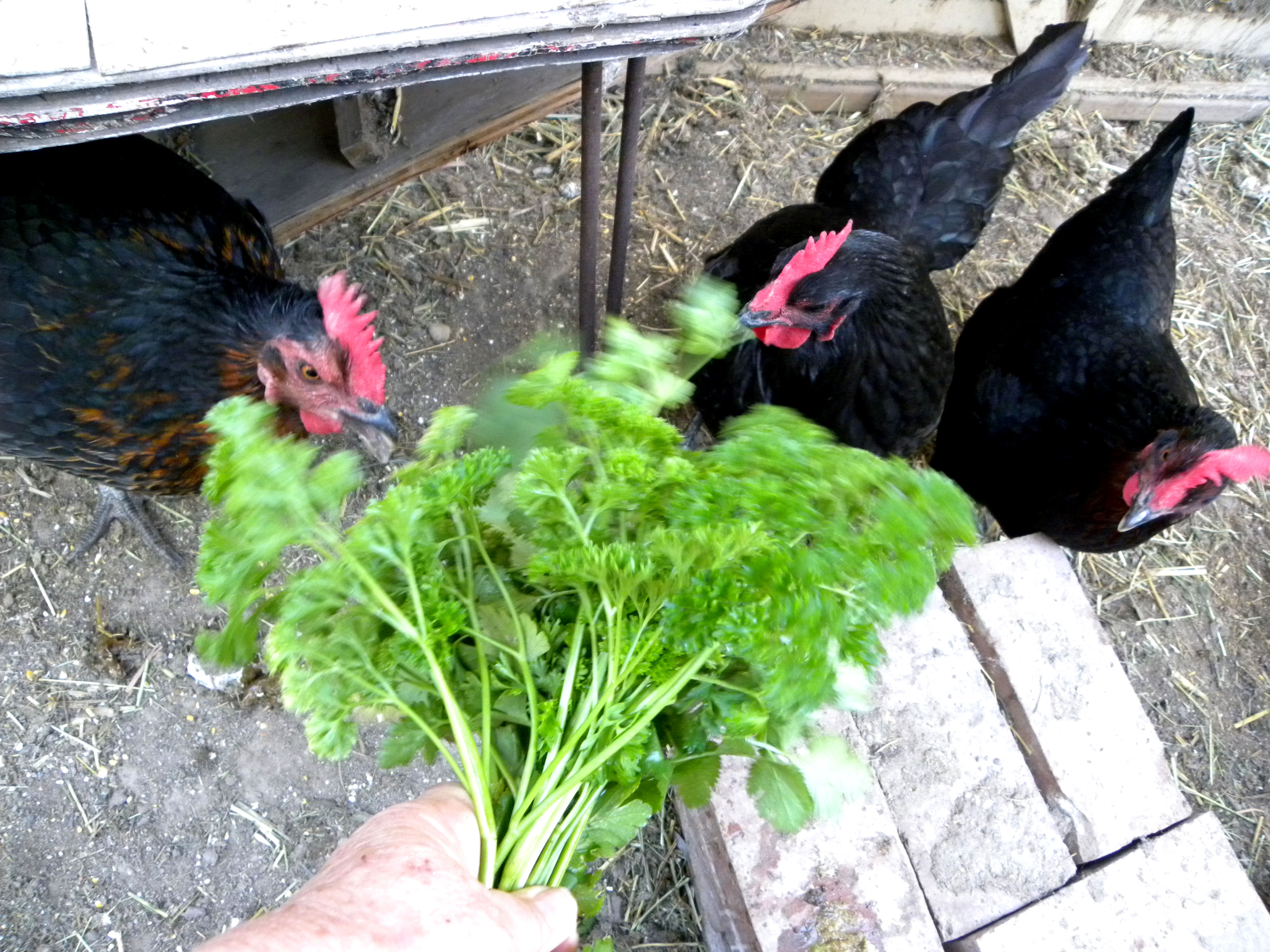
But my greens are growing and the three hens are laying. The hens eat a LOT of greens, probably several pounds a week. I don’t count that in my produce harvest. It goes into the egg harvest.

The three hens love their greens. Here they're eating a mixed bouquet of parsley, sorrel, and cilantro. No wonder their eggs taste so good.

Here’s my harvest for this week.

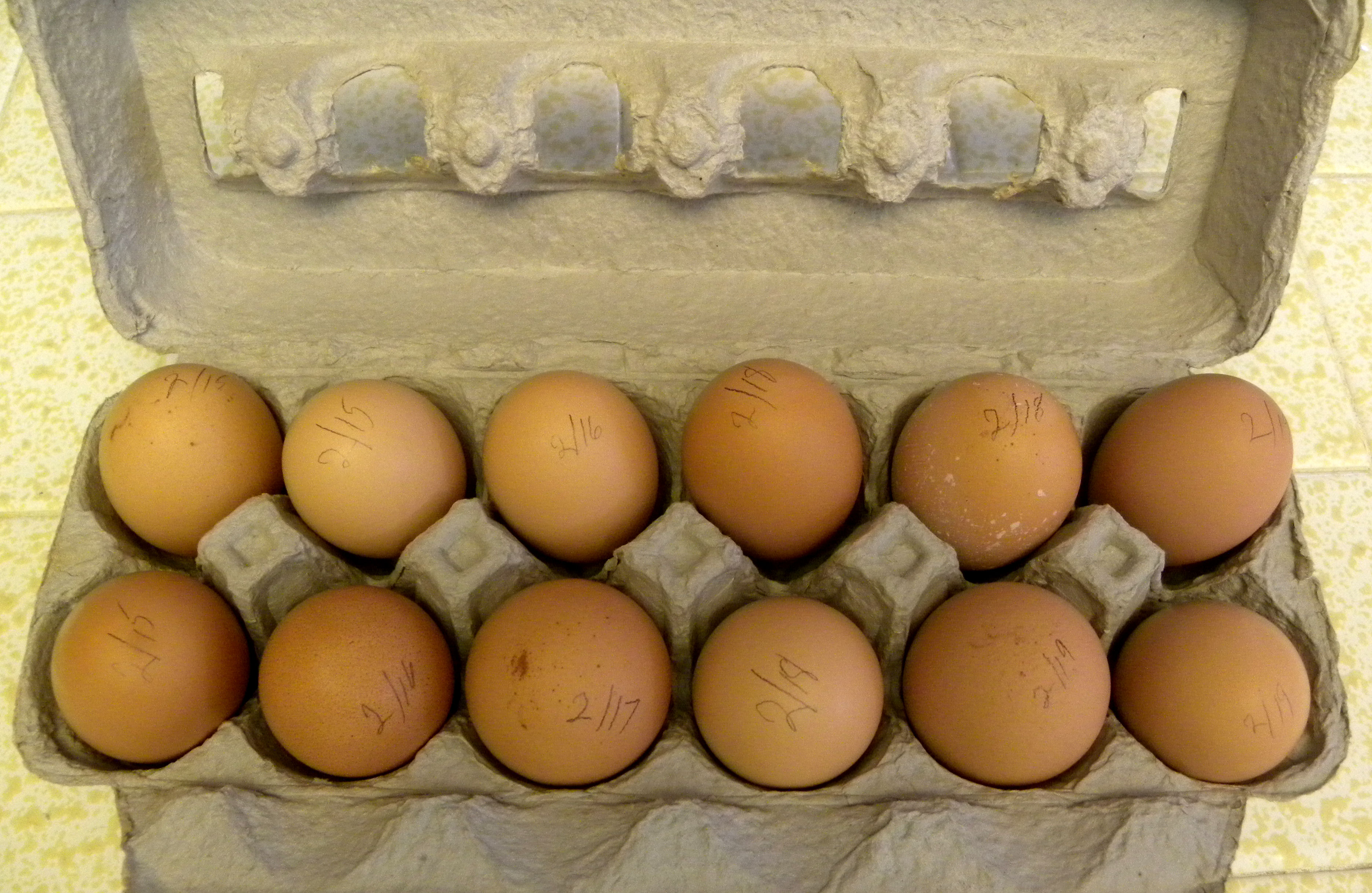
18 eggs! This is the most so far in one week.

collards, 12 oz.

kale, 11oz.

2 leeks, 4 oz.

lettuce, 1 oz.

microgreens, 2 oz.

Total produce 1 lb., 14 oz. plus 18 eggs

(To read more of Lou Murray’s environmental writing, see her weekly column, Natural Perspectives, in the Huntington Beach Independent at www.hbindependent.com /blogs_and_columns)

Posted in Uncategorized | Tagged , , , | 10 Comments

Mid-March photos of my garden

It’s cold (relatively speaking), windy, and my allergies are acting up. But flowers are blooming everywhere and bird songs fill the air. Must be March in southern California.

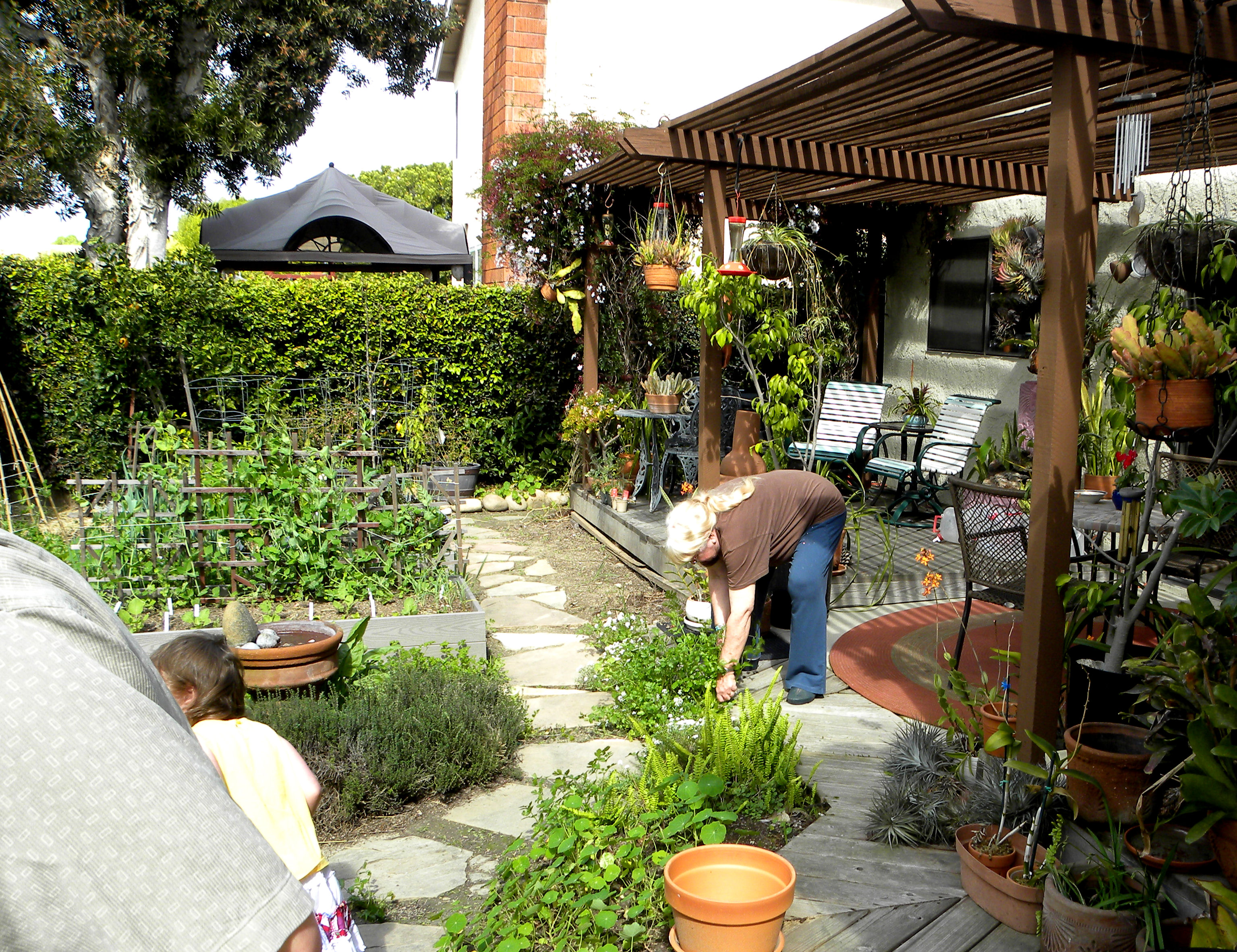
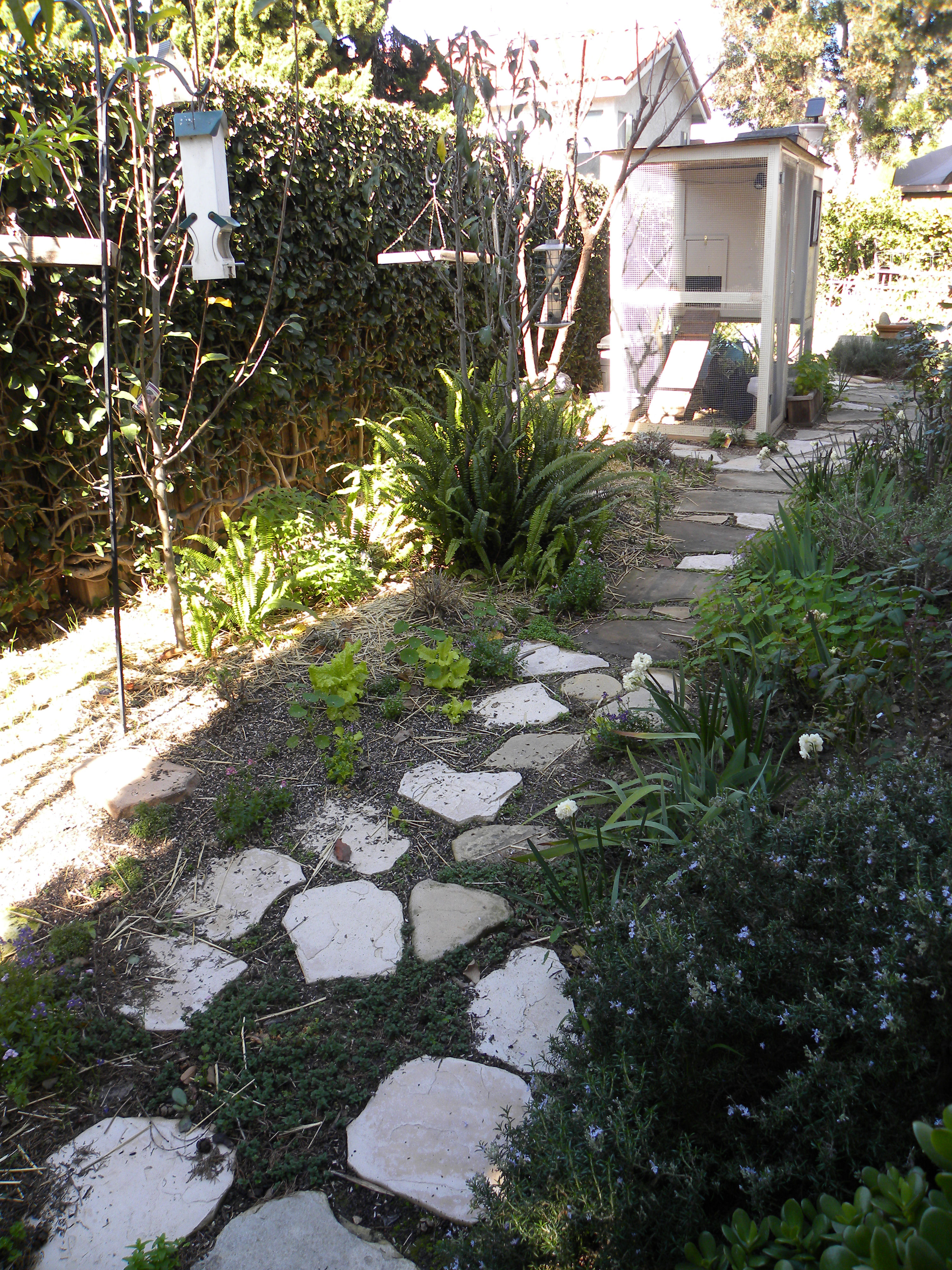
I promised myself that this would be my best organic garden ever, and so far that’s what it’s shaping up to be. I’ve been working on growing more fruits and vegetables in our yard for several years now, and this is the year that I expect to reap the reward for my past efforts at planting fruit trees, bushes and vines, other perennial flowers and vegetables, as well as building a chicken coop, resetting the pavers in back, and incorporating raised garden beds into our landscape.

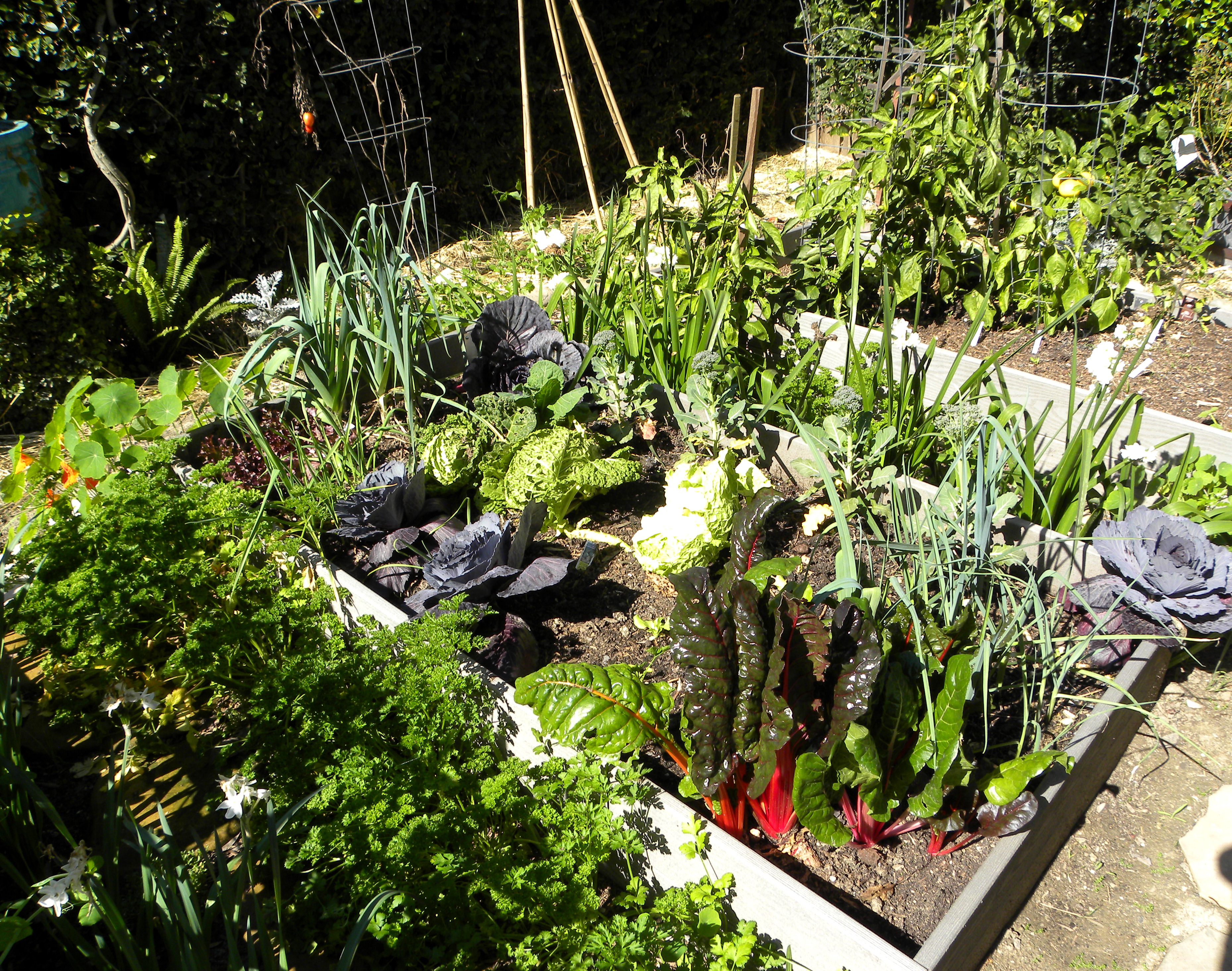
After removing a misshapen magnolia tree and reducing the size of the herb garden, I installed these three raised beds from Gardeners Supply Company for growing vegetables.

In addition to my new raised beds in back, I have two vegetable gardens in front: The Garden of Infinite Neglect and the Garden of Perpetual Responsibility.

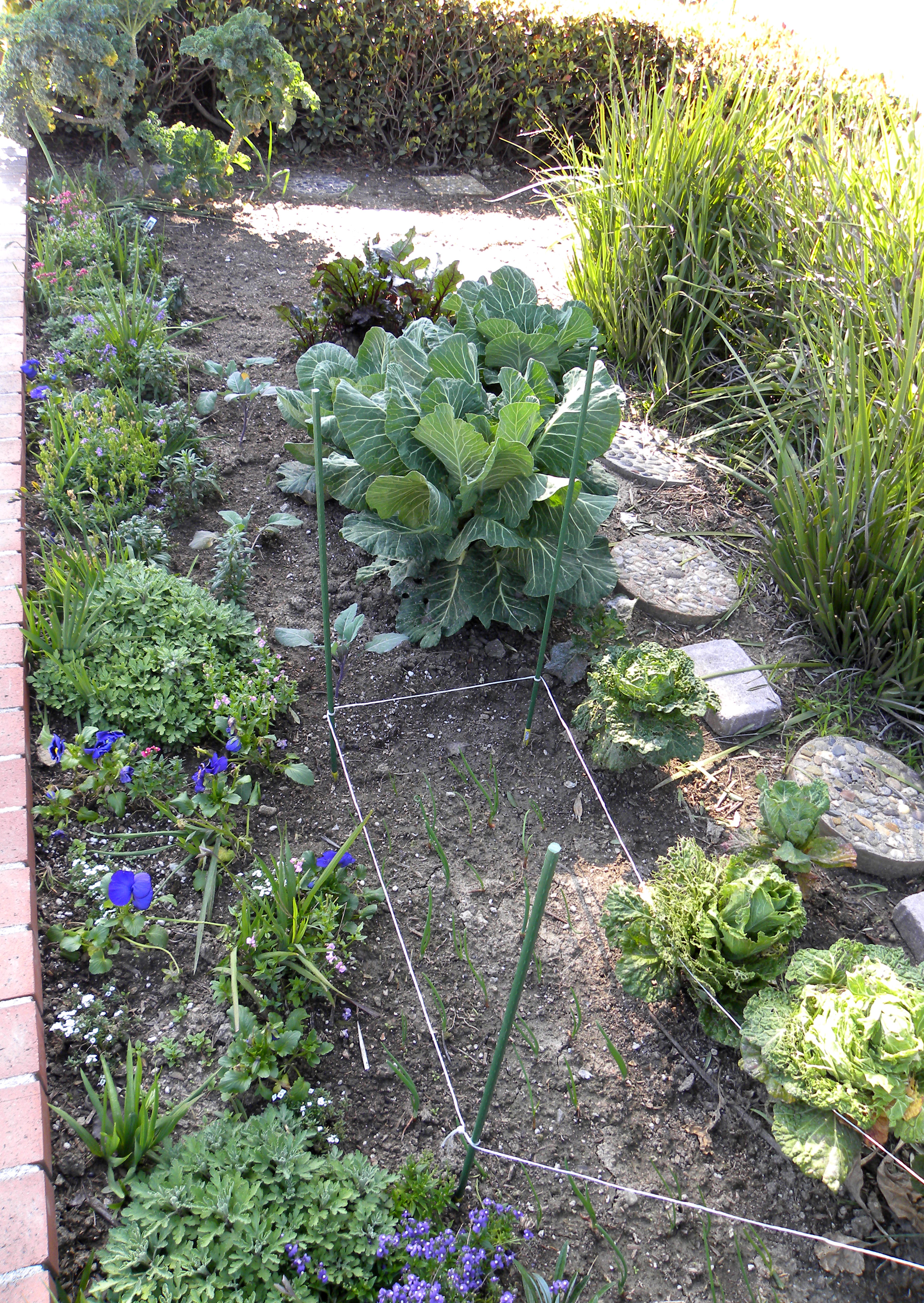
The Garden of Infinite Neglect is looking less neglected with its refurbished flower border and new vegetable plantings.

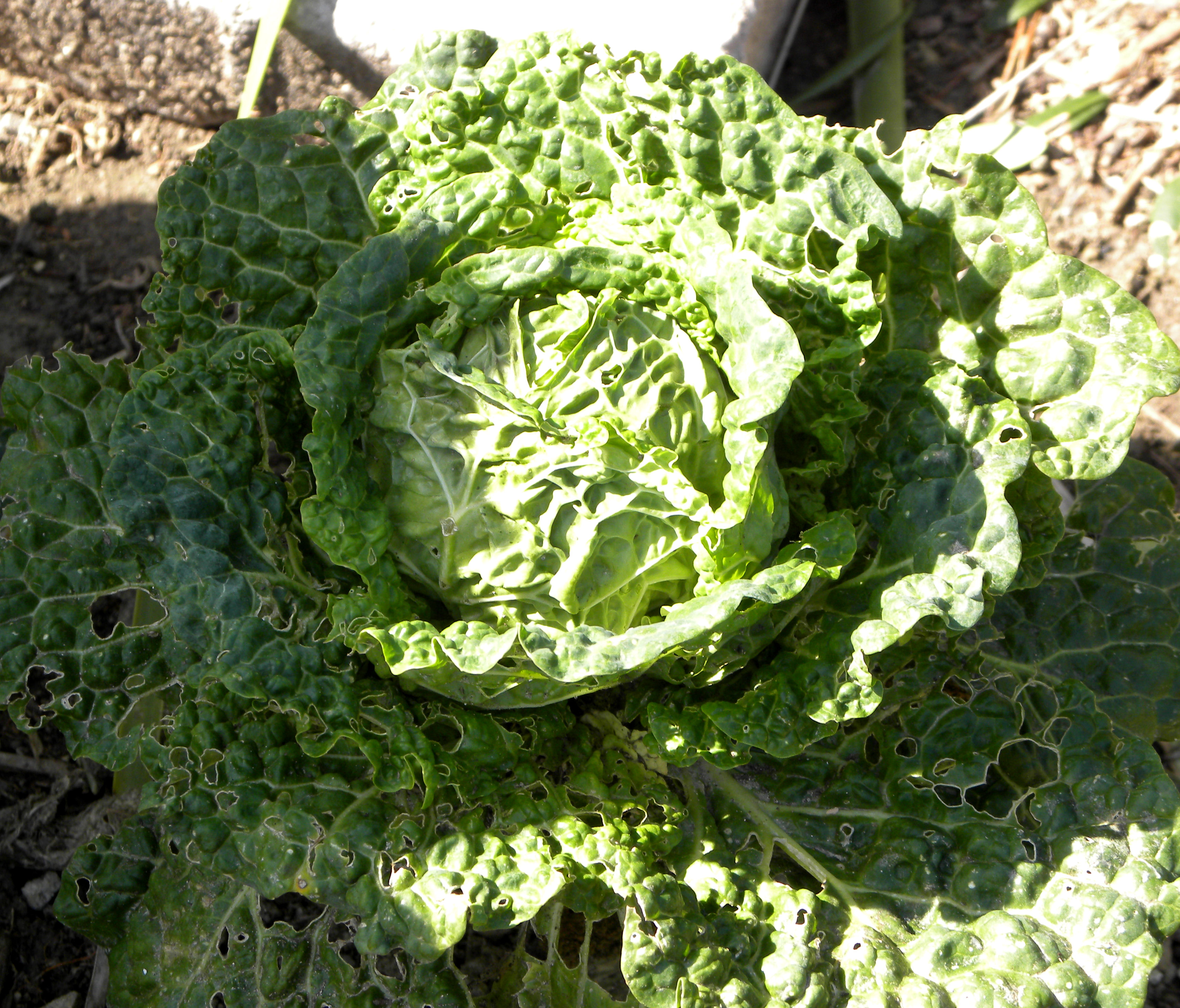
In the Garden of Infinite Neglect, I have everbearing crops of Scotch Blue-curled Kake and Collards. But the Green Savoy Cabbage crop was a bust, and I’m feeding the leggy, non-heading, insect-eaten cabbages to the chickens one by one. I have some Lutz Greenleaf Beets that are so old that I dare not use them for anything except beet greens. I just never got around to harvesting the things. You can see why I call this my Garden of Infinite Neglect.

I let some chard go to seed there last year and the seeds fell all over the place. I’m now harvesting dozens and dozens of chard seedlings at 1-2 inches high as microgreens. They’re fabulous in a salad. So neglect can pay off sometimes.

However, those chard seedlings sprouted AFTER I planted my new rows of Rainbow Chard, Lutz Greenleaf Beets, Chioggia Beets and Bok Choy. Except for the Bok Choy, I can’t tell what’s what. Oh well, it will all sort out by harvest time.

I have a couple of new rows of Golden Wax Beans that have their first true leaves, a patch of patty pan squash (3 heirloom varieties, Bennings Green Tint, Yellow, and White) that has yet to sprout, and a Millionaire eggplant left over from last year that is reblooming for the 2010 season.

Somewhere under the kale, I have a couple of Green Bunching Onions that are going to seed. I save seed from heirloom vegetables, so I’ll just let them go to flower and set seed. When the flowers are dry, I’ll harvest them into a paper bag and shake out the black seeds. Elsewhere in the Garden of Infinite Neglect, I have a patch of yellow onions that are coming along nicely. Maybe I won’t neglect this dry, pathetic patch of dirt so much this summer.
Garden of Perpetual Responsibility has fewer weeds than usual, thanks to my pulling weeds frequently to feed the chickens.

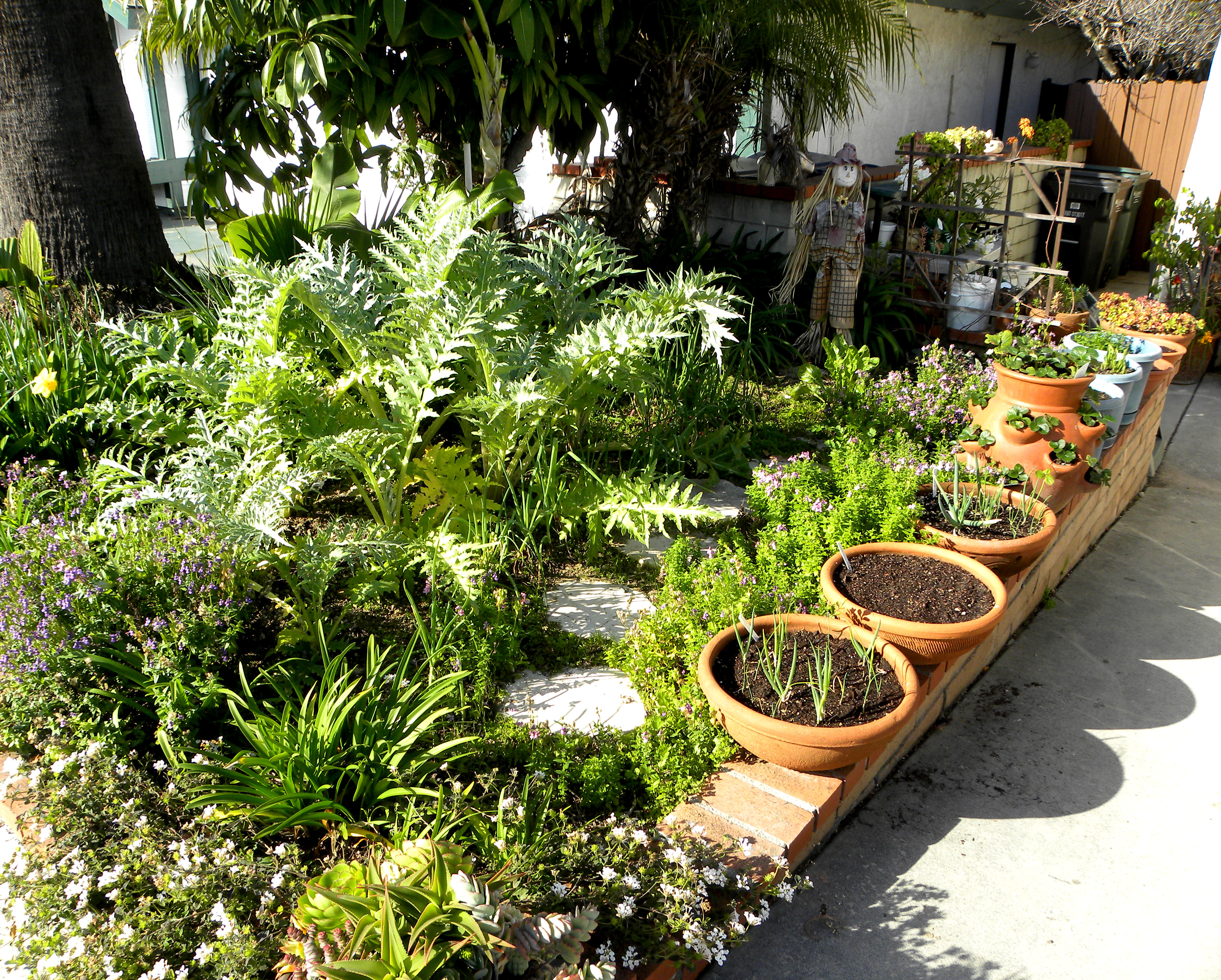
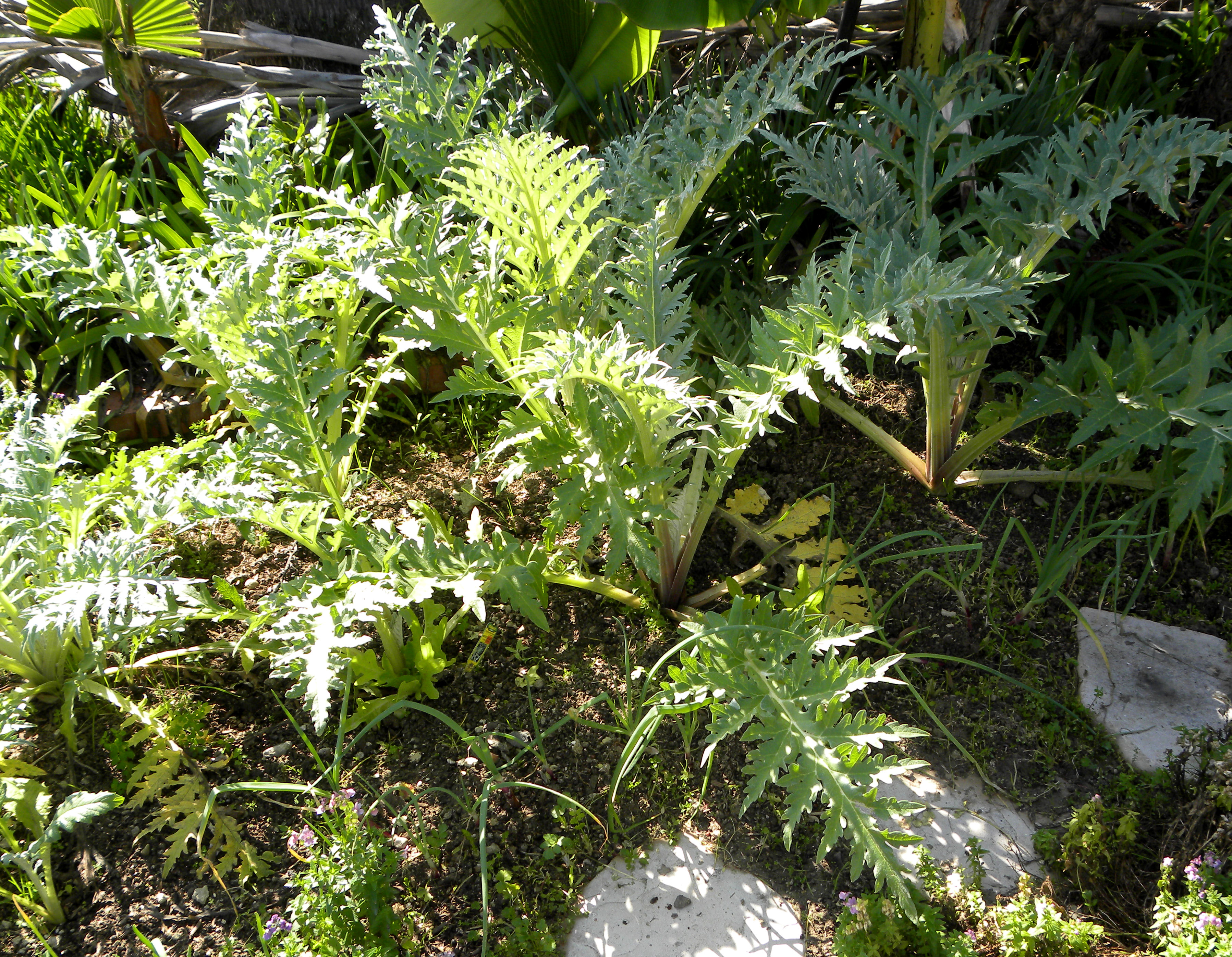
The Garden of Perpetual Responsibility is beginning to get more morning sun as the seasons progress. The artichokes are growing nicely, as are the red onions. The rhubarb hasn’t come up yet, and I’m beginning to worry that it didn’t make it. Most of what else is in there is white Lantana to attract butterflies, Lily of the Nile (perennial flowers), Nemesia, a lovely blue perennial and self-seeding flower that bees love but that desperately needs thinning, two thornless blackberry bushes that are still dormant, and weeds. No end to the weeds. Maybe this will be the summer that I get them out BEFORE they set seed.
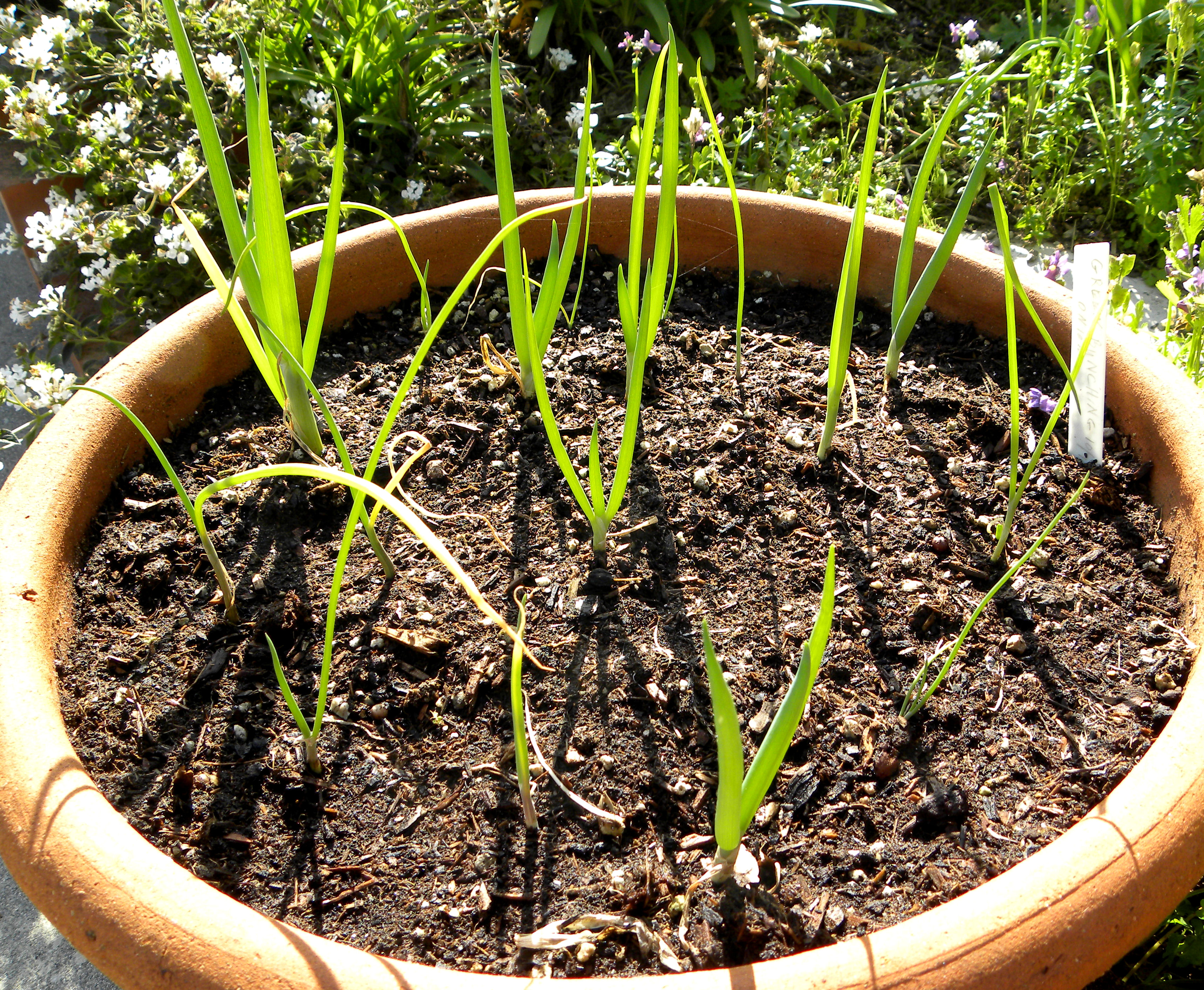
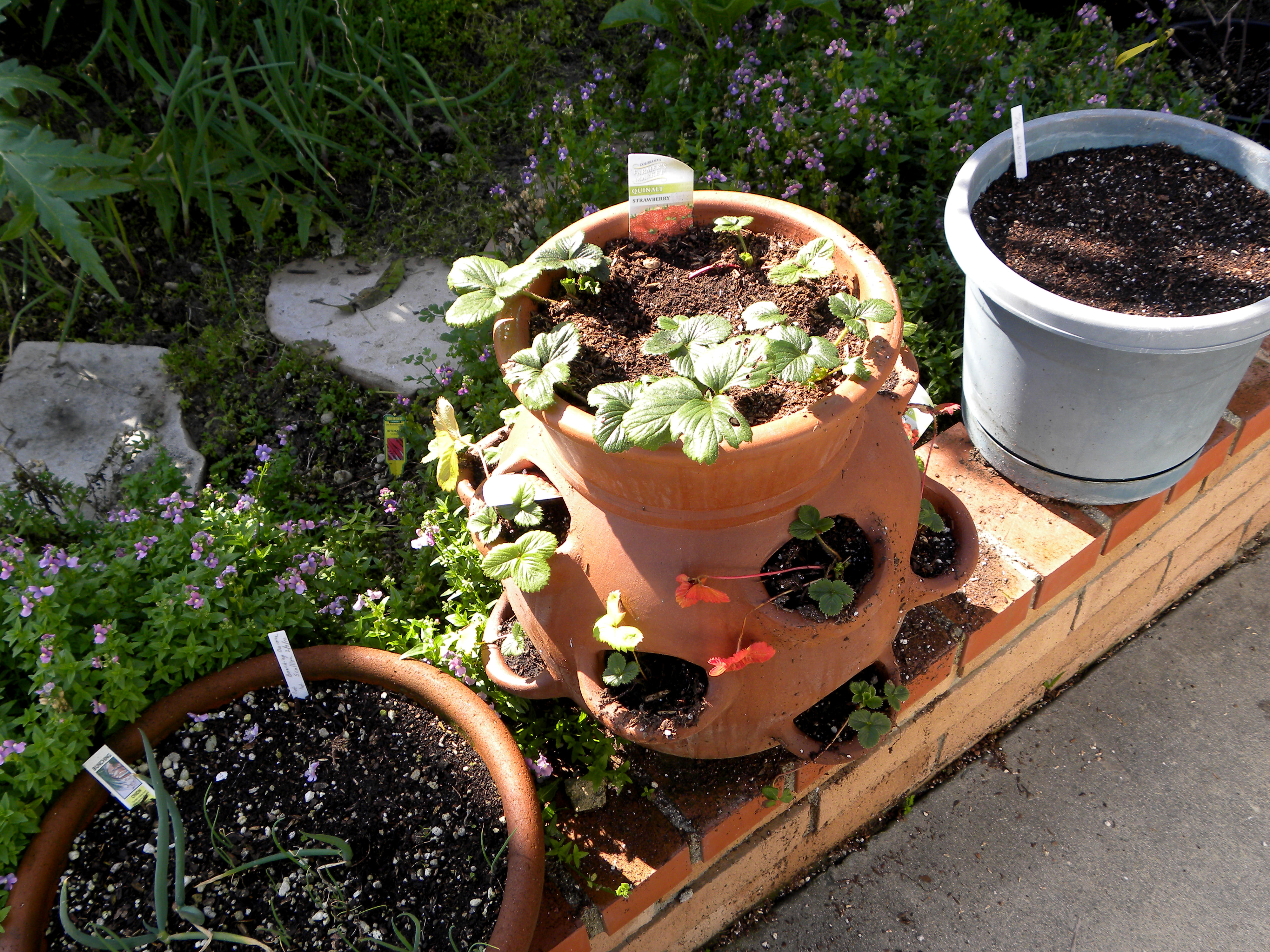
I grow green bunching onions continuously in these shallow bowls, adding fertilizer whenever I plant new seeds.

Due to lack of space and sun, I also garden in containers. I’ve been growing green onions with a continuous harvest for about a year and a half now. Whenever I have half the onions in a bowl pulled up, I plant the other half. With two bowls going, I haven’t needed to buy green onions until this week. I guess I need three bowls of onions.
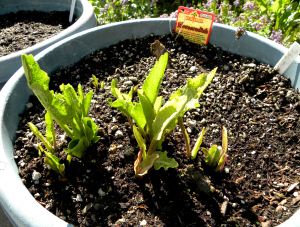
The container of horseradish has a lot of healthy looking sprouts.

The horseradish is up and doing well. I won’t be able to harvest any roots until the plant goes dormant in the winter, so this is pretty much a 10-month committment. I planted ginger before the horseradish, but it hasn’t broken ground yet. I’m assuming that because ginger is a semi-tropical plant, it is waiting for warmer weather to sprout.
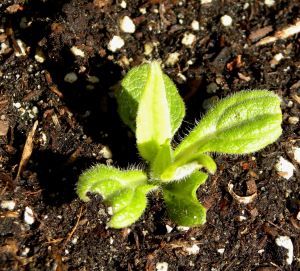
I have three sunchoke sprouts above ground now. This one suffered some insect damage to the new shoot.

I’m experimenting with sunchokes this year, aka Jerusalem artichokes. I’ve never grown them before. I know that sunchokes are invasive, so I’m growing them in Smart Pots, which are large, felt-like containers. After the sunflowers die back in late summer, I’ll harvest the tubers from the Smart Pot. 
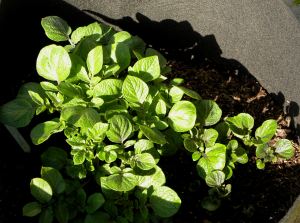
Blue potatoes growing in Smart Pots.

I’m also growing blue potatoes in Smart Pots. I planted three blue potatoes in each of two Smart Pots, and they’re growing like gang-busters. The loose potting soil in the felt pots should make them easy to harvest.

Panamint nectarine blossom

My Panamint Nectarine is in full bloom right now, but the Snow Queen Nectarine is still dormant, as is the Santa Rosa Plum, Katy Apricot, all three apple trees and the two Asian pear trees.
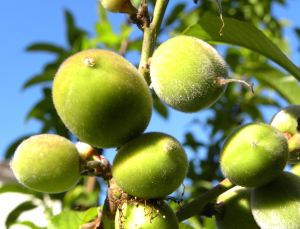
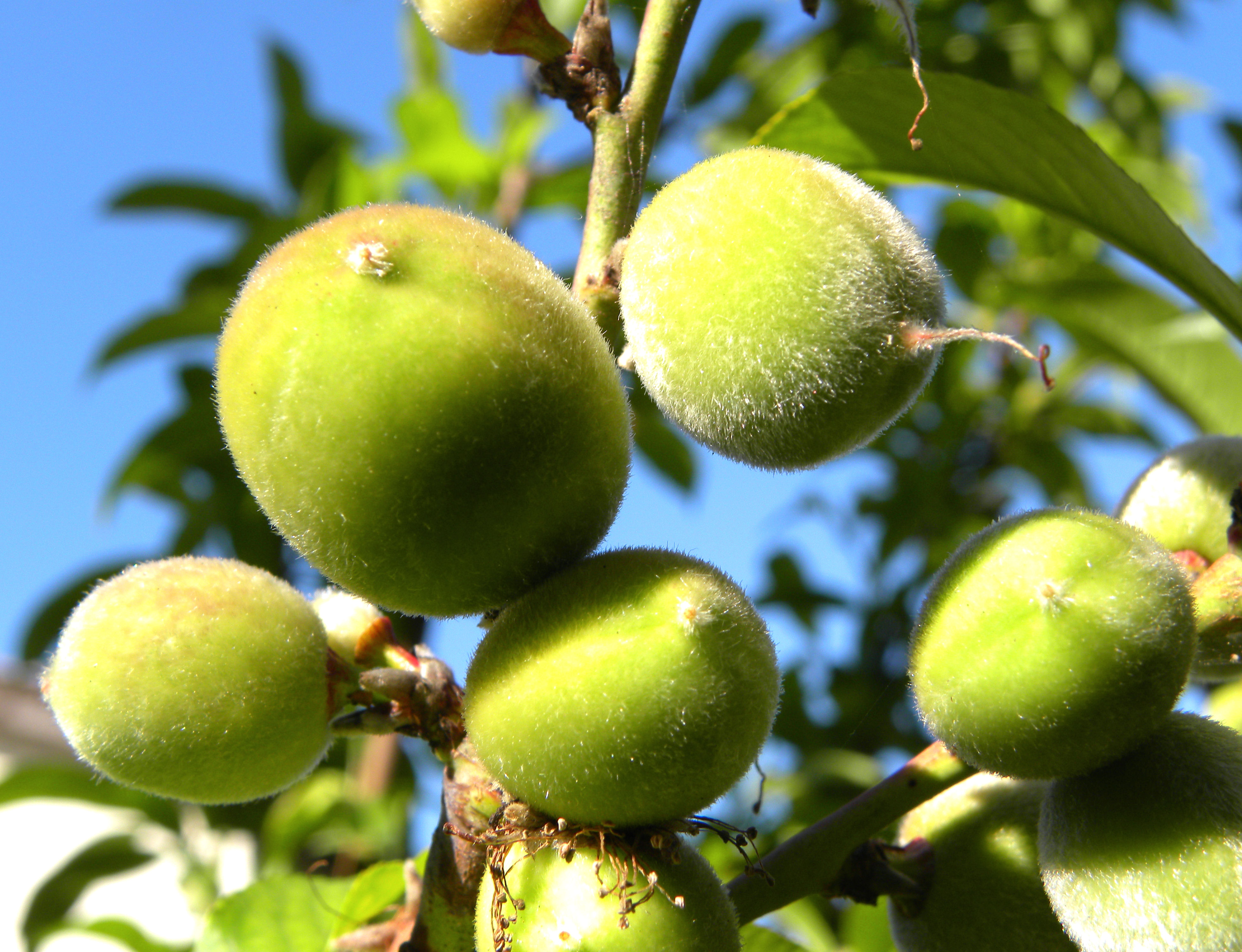
Peaches on the Florida Prince peach tree.

It looks like it will be a good year for my Florida Prince Peach tree. The August Pride Peach has just finished blooming, with about three dozen peaches set, while the Babcock Improved Peach is just now beginning to bloom. With three peach trees that bloom at different times, my harvest is spread out over a longer time.

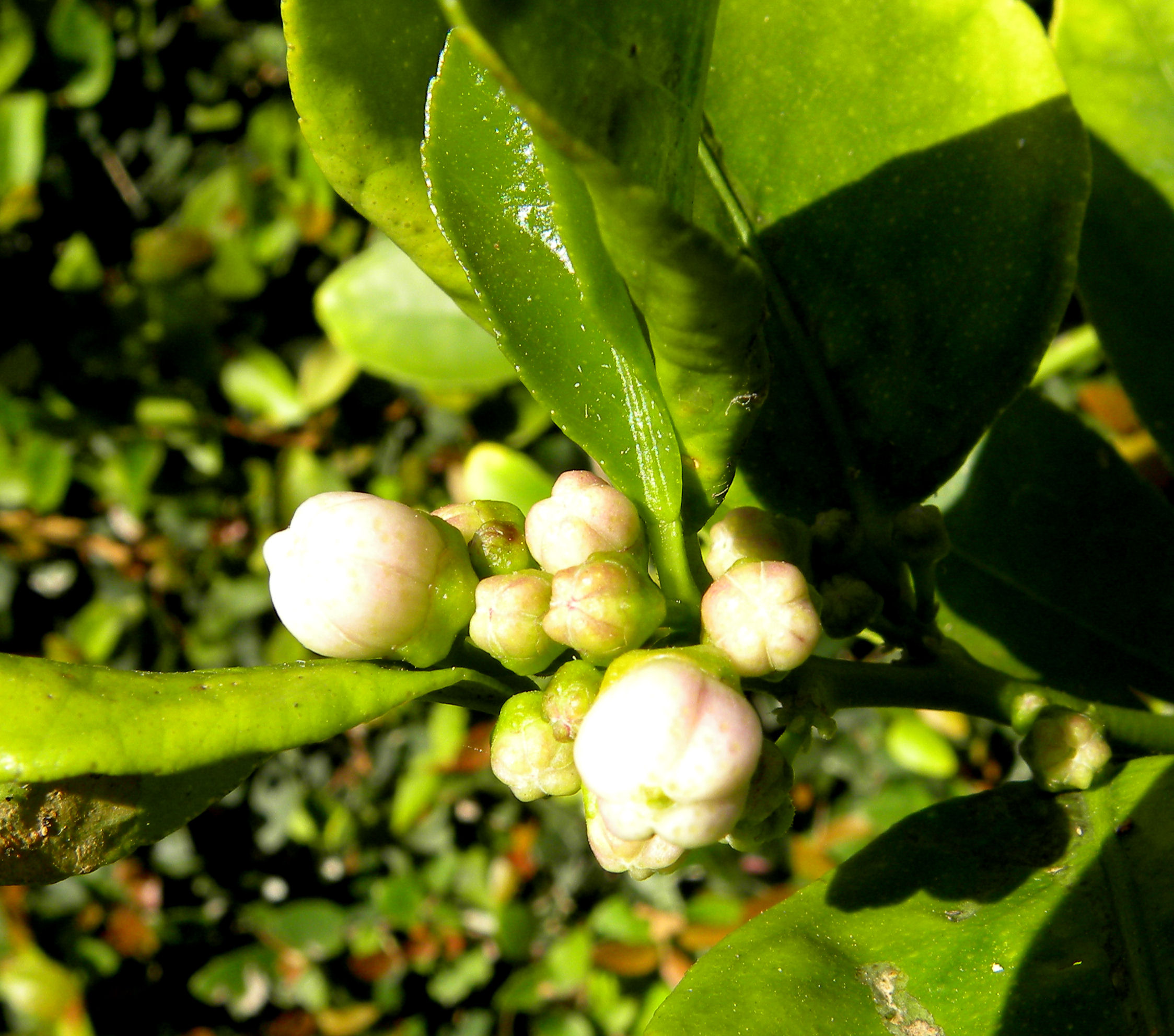
Flower buds on my Bearrs lime tree.

The two lime trees are beginning to bloom, a bit after the Eureka lemon trees. The Meyer lemon and orange trees have no flower buds on them yet, but it’s still early for them.

The artichoke tree has loads of buds on it this years, so I’m hoping that some of them set fruit. The avocado tree that I planted is a semi-dwarf, and has been a very poor producer. This year it got more water than usual because the rain barrel overflow spout from our new gutter is directed at the roots of the avocado tree. I am hopeful.
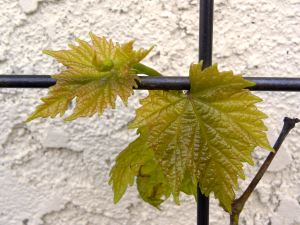
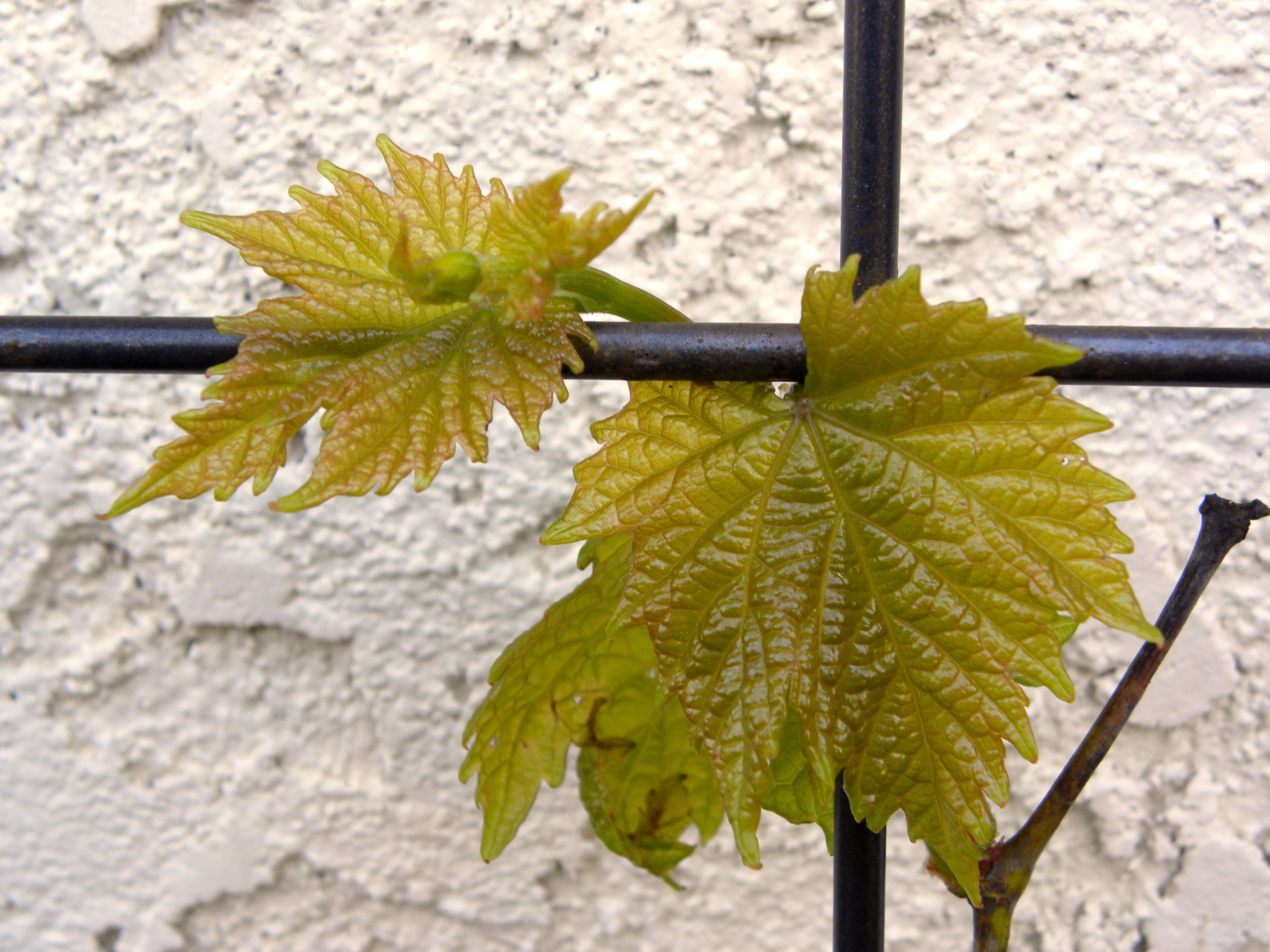
The grapes have sprouted their new growth of spring leaves.

My grapes made it through the winter and have their new leaves. They didn’t flower last year, but I’m hoping that with more established roots that they’ll grace us with some Thompson Seedless and Seedless Red Flame Grapes this year. And that’s what I seem to have the most of in my garden. Hope!

(To read more of Lou Murray’s environmental writing, see her weekly column, Natural Perspectives, in the Huntington Beach Independent at www.hbindependent.com /blogs_and_columns)

Posted in Uncategorized | Tagged , , , , , , , , , , | 5 Comments

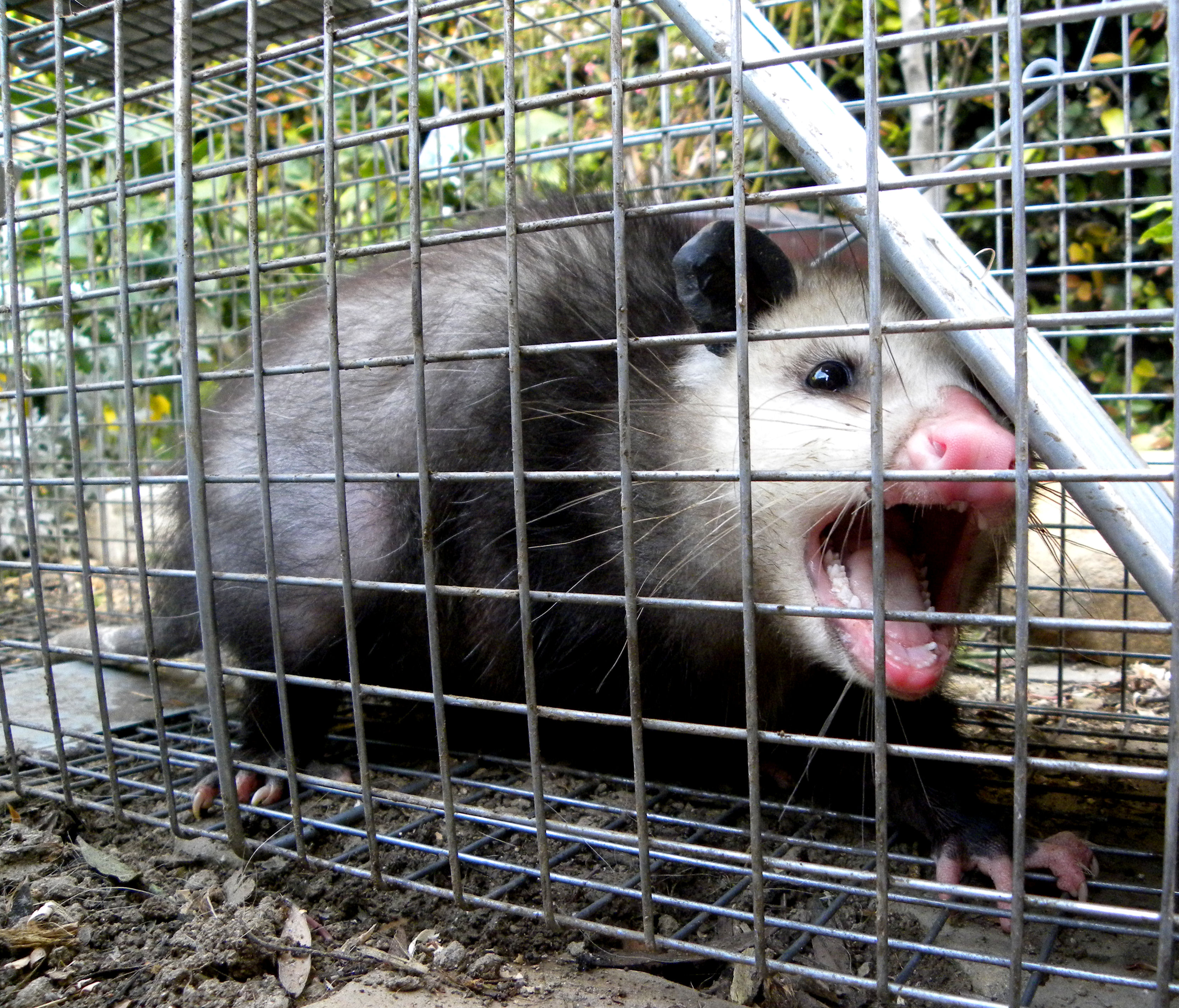
Got something else–an opossum!

I was pretty sure that I had two separate critters raiding my garden, a small one and a larger one. As soon as we released the big raccoon, I set the trap again and caught the small critter. An opossum!

Opossums try to look as vicious as they can. This trapped opossum is showing me his threat display.

We took this medium sized possum to the park and released it in a wild area, where, like the raccoon, it will have access to water and plenty of native foods.

Three days later, my garden still hasn’t been dug up again, so now it’s safe to replant. The damage from those two marauding critters left me with only four parsnip and four carrot seedlings. I don’t think that the squash will recover from being uprooted and I worry about the two tomatoes that were uprooted too. There’s still plenty of time to replant if they fail, but I’ll be weeks behind. Such are the woes of an urban gardener.

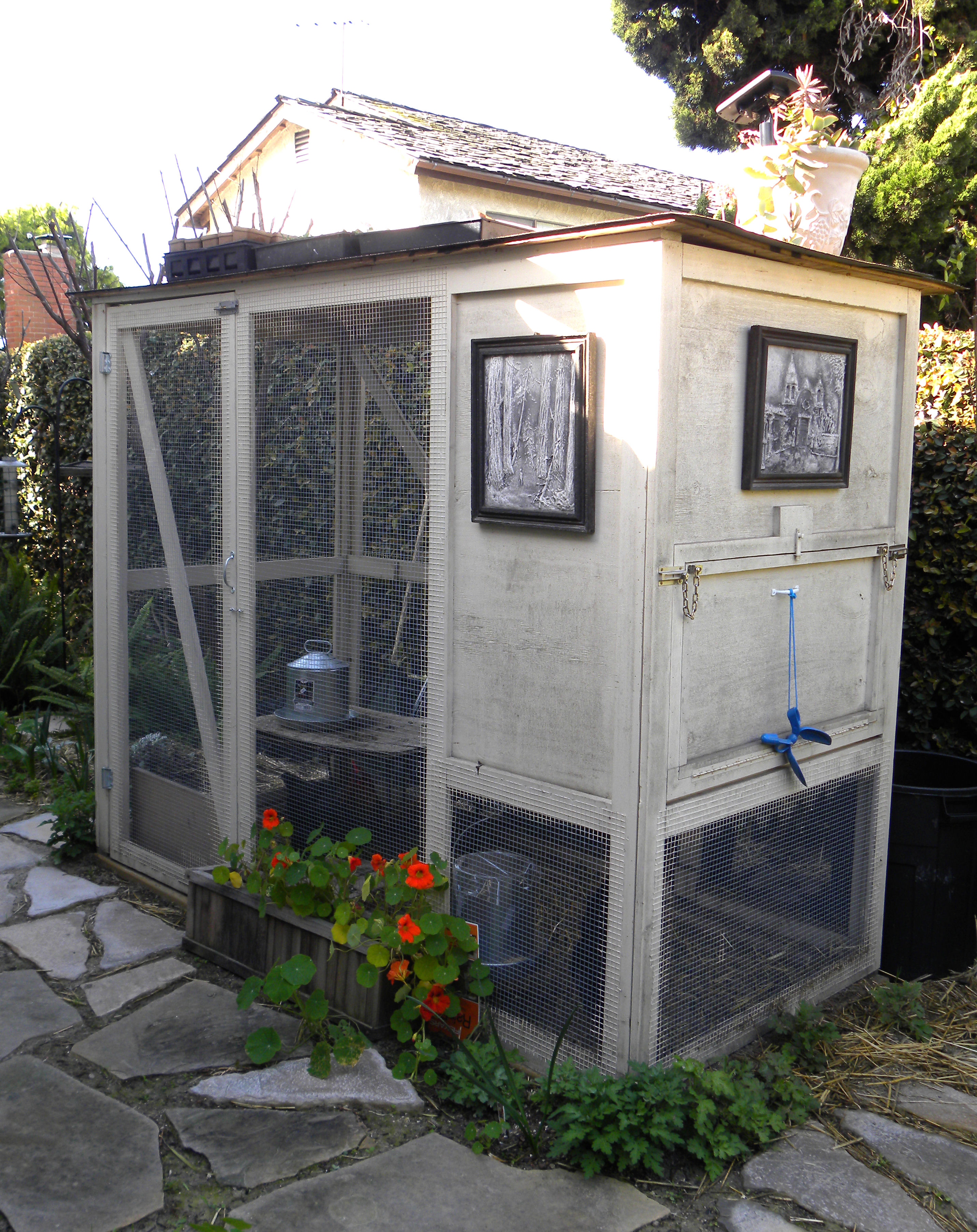
For safety of our hens, we totally enclosed their run in hardware cloth. The roof atop the run serves as a place for the solar collector for their "night light" and as a green roof where I start seedlings and grow mesclun.

And it’s because of marauding wildlife that I totally enclosed my hens in a run of hardware cloth, not flimsy chicken wire. I know that they’ll be safe in their coop. I’ve heard horror stories of raccoons chewing off the legs of roosting hens at night. Ug. Not gonna happen to my gals.

Posted in Uncategorized | Tagged , , , , , | 2 Comments

Got him!

No wonder the wily critter that was digging up my garden was so hard to catch. He wasn’t an oppossum, he was a raccoon!

Raccoon in a Hav-a-Hart live trap

I set our Hav-a-Hart live trap last night using a chunk of leftover meat that was too old for us to eat. Meaty bones or a can of cat food work equally well. You just put the food in one end of the trap and set the hook to hold the door open. The critter enters the trap to get to the food, steps on a treadle, and the door goes down, trapping the animal inside.

Since the critter won’t get anything else to eat the night that it’s trapped, I try to put enough inside to feed it. I also check the trap early in the morning so it won’t sit in the sun and dehydrate.

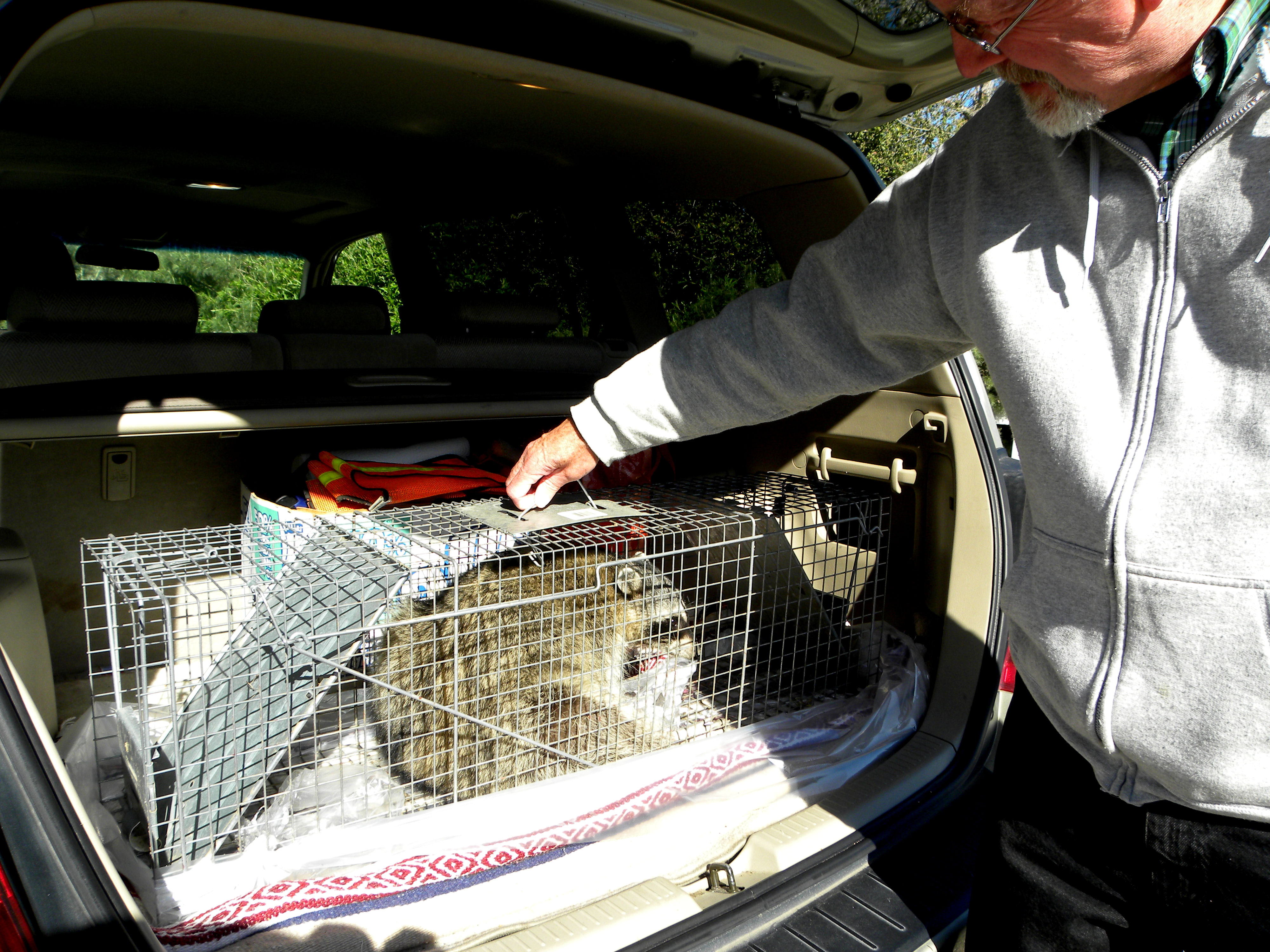
The trap goes into the back of my SUV for transport.

Trapped raccoon in the back of the car, ready for transport.

This big guy is making himself as small as possible in this vulnerable position. It is a frightening experience for the animal, so be sure to put down something old between the trap and the floor of your car, including a sheet of plastic. They tend to relieve themselves and could care less about soiling your vehicle.

The live traps have a metal plate under the handle to protect you from being bitten.

Next step is to release the animal back to the wild and away from your home. We use a wild area in our city’s main park about a mile and a half away from us that has plenty of cover, water, and wild habitat.

The critter gets the idea pretty quickly and heads for cover.

He’ll stay under cover until dark, and then he’ll find that he has a lot of newly restored habitat to explore with wild food aplenty. But just in case he wasn’t the only critter raiding my garden, I’m going to set that trap again tonight. One week we caught three animals in a row. Sometimes they’re possums and sometimes they’re not.

(To read more of Lou Murray’s environmental writing, see her weekly column, Natural Perspectives, in the Huntington Beach Independent at www.hbindependent.com /blogs_and_columns)
Posted in Uncategorized | Tagged , , , , , , , | 9 Comments

Harvest and planting Monday 3-8-2010

I’ve been fighting that dingdang possum all week. So far the score is possum 1, Lou 0. Outsmarted by a marsupial. How smart does that make me feel? But I’m persistent. I think tonight will be my night.

Not only has the possum dug up my garden repeatedly, it ate three of my lovely navel oranges off the tree, leaving only one for me. I picked the last orange from the tree today and we had it for brunch along with some huevos rancheros, compliments of the chickens. Given the presence of possums, raccoons, skunks and coyotes in our urban neighborhood, I’m glad we have the chicken run totally enclosed in hardware cloth to protect the hens.

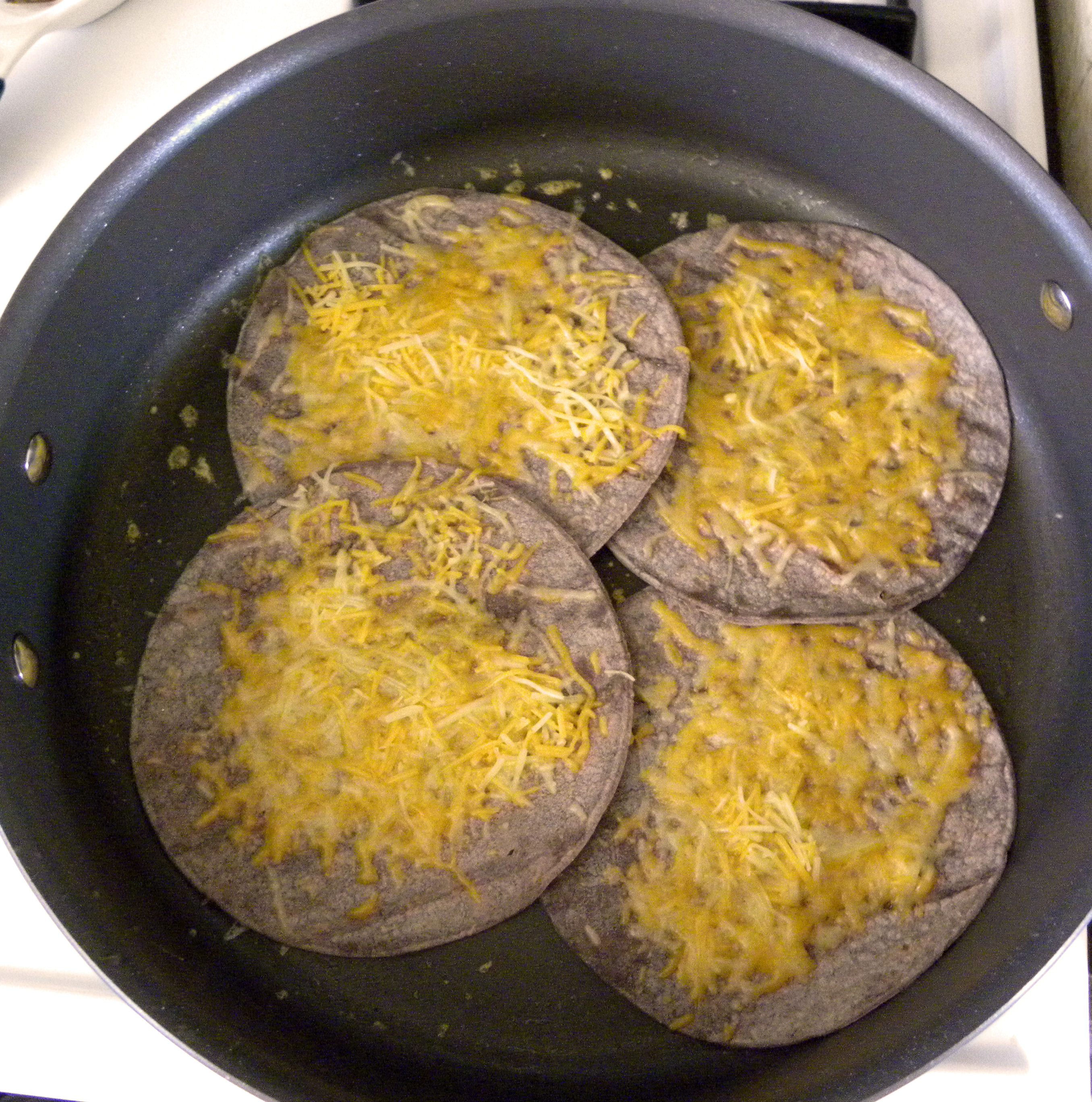
Blue corn tortillas heated with a little grated cheese on top.

Huevos rancheros are really easy to make. Heat some corn tortillas in a pan, two per person. I used blue corn tortillas. Flip them over. Put some grated cheese on top of the tortillas and leave them in the pan just long enough to melt the cheese. Put the tortillas on plates. Fry two eggs per person and put them on top of the tortillas. Put some salsa on top of the eggs, and cilantro if you have it. Serve with heated, buttered, and rolled up flour tortillas. Add an orange to the plate if a possum didn’t eat them all.

Huevos rancheros make a tasty brunch.

I’m beginning to get a decent harvest of spring vegetables, especially salad makings.

German white icicle radishes

I'm out of green bunching onions right now, so I picked some immature red onions to use as scallions.

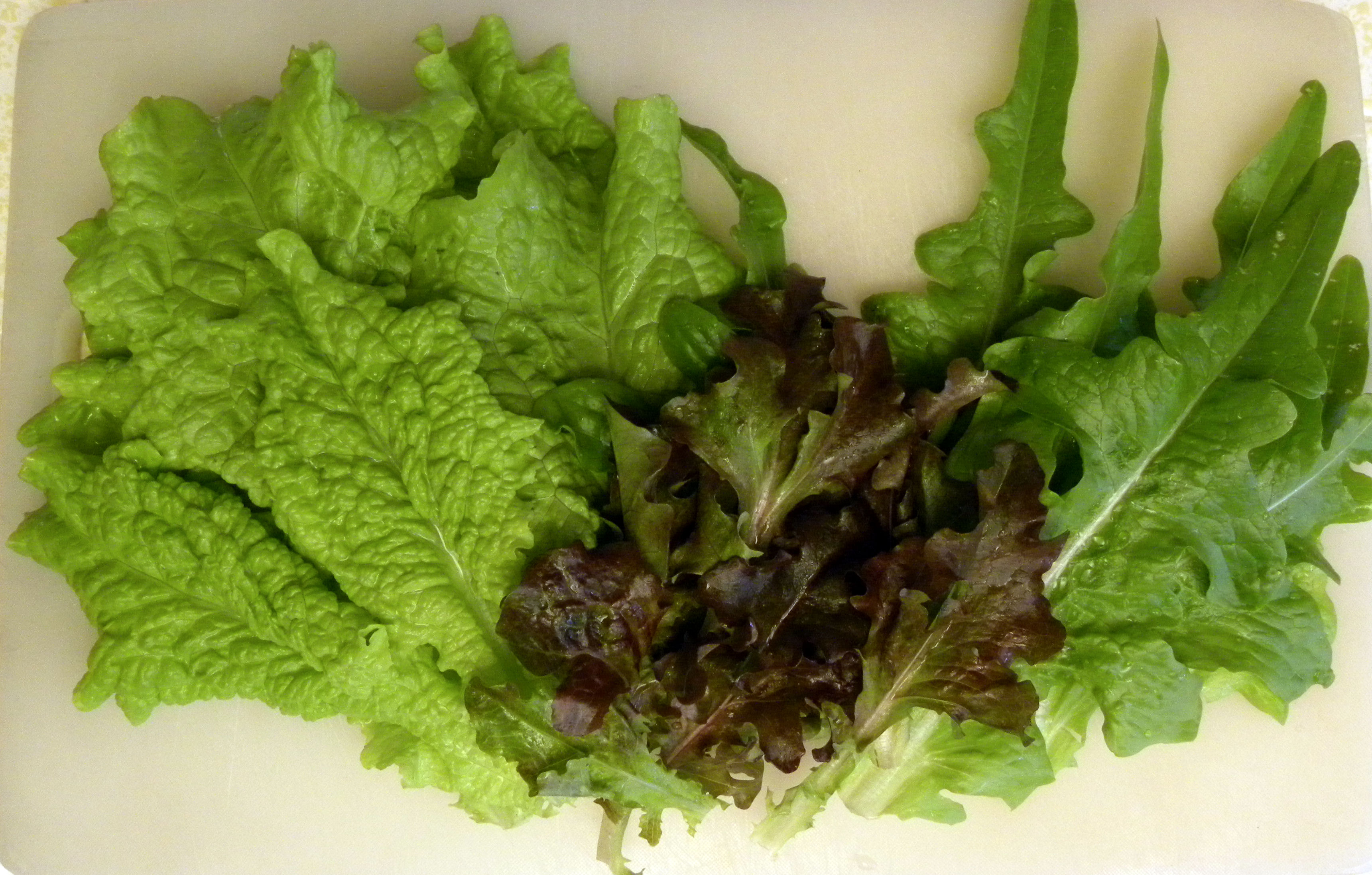
The three types of lettuce ready now for harvest in my garden are (l. to r.) Black-seeded Simpson, Red Salad Bowl, and Green Oakleaf.

Harvest for this week:

16 eggs

1 Meyer lemon (8 oz.)

1 Navel orange (9 oz.)

Boy Choy (3 oz.)

Chard (5 oz.)

Collard Greens (12 oz.)

Lettuce (9 oz.)

Parsley (0.5 oz.)

5 Radishes (5 oz.)

3 Red Onion seedlings (1 oz.)

Total produce 3 lbs, 4.5 oz.

The Meyer lemon and five eggs went into a lemon lavender pound cake this week. It was my first attempt at making something with my homemade lavender sugar and I think it came out pretty well. We ate it before I could photograph it. The amazing thing is that our homegrown eggs are so flavorful, that I could actually taste the eggs in the pound cake. I feed my chickens a lot of greens and I think that’s what makes their eggs so tasty. What I don’t include in my produce harvest tally is all the greens that the hens eat. My broccoli crop and green cabbages were a bust as far as human consumption goes, so I’m feeding them to the chickens along with big handfuls of cilantro, parsley, nasturtiums, kale and weeds every day.

It’s also spring planting time. This week I planted three kinds of heirloom patty pan squash–Bennings green tint, white, and yellow.

The first snow pea is ready to pick, but what am I going to do with one snow pea? I think I’ll wait a few more days until more are ready. My wax bush beans have their first true leaves, the sunchokes have broken ground, the strawberries are blooming, the grapes have sprouted new leaves, and the blue potatoes are up. Two of my peach trees have finished blooming, while my Panamint nectarine and blueberry bushes are in full bloom. It really looks like spring here.

If you had a harvest, visit Daphne’s Dandelions and post your harvest on Mr. Linky.

(To read more of Lou Murray’s environmental writing, see her weekly column, Natural Perspectives, in the Huntington Beach Independent at www.hbindependent.com /blogs_and_columns)
Posted in Uncategorized | Tagged , , , , | 5 Comments

Ack, I’ve been hit!

Woe is me, a night marauder visited my garden last night. A small critter like a baby opossum has been digging in my lovely raised beds several nights in a row. It would dig up a seedling or two and I would transplant it back into the soil the next day. It dug up my newly sprouted garlic several times, that seeming to be a favorite corner of the bed for it to dig up.

I’ve been expecting the dang thing to move to another yard soon, as urban wildlife does in this area (coastal southern California). But NOOOOOOO! Baby brought Big Momma or Big Daddy last night. Instead of delicate holes here and there in the bed, the entire bed is turned over. Compost is in piles everwhere and spilled out of the bed. Even the plant tags were buried under mounds of nice, fresh, soft compost.

I didn’t have the heart to photograph the wanton destruction of Raised Bed #1. It’s wrecked. The varmit dug up all of my newly planted Lollo Rossa lettuce, Lucullus chard, Danvers Half-long carrots, Hollow Top parsnips, garlic, the Aristocrat zucchini that had flower buds on it, and even my two tomato transplants were were a decent size and beginning to flower. I’m devastated. It didn’t eat them, it just dug. I guess it was looking for good-smelling stuff in the nice fresh compost.

I sifted through the compost and recovered some of the seedlings. Their roots were still moist, so I just planted them back into the bed after smoothing it out. I lost all of the lettuce, most of the parsnips, and over half of the garlic, chard and carrots in my square foot garden. I replanted the two tomatoes and the squash, but they look pretty bedraggled.

This is war! I’m baiting the live trap and setting it out tonight. When I catch that miserable varmit, be it an opossum or raccoon, it goes to the other side of Huntington Beach’s big central park and becomes someone else’s problem. Grrrrr!

Posted in Uncategorized | Tagged , , , | 20 Comments

Harvest and planting Monday, March 1, 2010

Spring planting is well underway. This past week I planted horseradish. Technically, Vic planted it, but I’ll take credit. Horseradish is an ugly plant and spreads like crazy, so we grow it in a pot. Sounds like we’re old hands at horseradish culture, but in fact this is only the second time we’ve grown it in 35 years of gardening.

Buying horseradish roots from nurseries is too expensive for us. It costs about $9 for a bundle of five roots. Why the heck would we need to plant five roots? One will provide us with more horseradish than we could consume in a lifetime. Some grocery stores carry fresh horseradish roots in February and March, when it is dug up. I selected a thick root that had tiny sprouts at one end. Vic planted it at an angle with the top about a half inch below the surface. It has already sprouted.

The first tiny leaves are up on our horseradish plant.

In winter, we’ll dig up some of the roots, grate them, mix them with vinegar and have our own fresh horseradish. But honestly, I don’t know why Vic wants to grow it. The only thing we use it for is prime rib and I never cook prime rib. And grating a big fresh root fills the kitchen with choking fumes. I think he’s forgotten that part. But who can read the heart of a gardener, especially a gardening spouse? He wanted to grow it, so I made it happen. That’s what love does to you.

I’m experimenting with a number of things this spring, among them growing peas in flats just for the microgreens. I’ll harvest the shoots by cutting them when they are three to four inches long, and use the shoots in salads and stir frys. When the flat is all harvested, the chickens will get the rest. I expect to begin cutting this week and trying something new. Thomas at “A Growing Tradition” inspired me to try pea shoots.

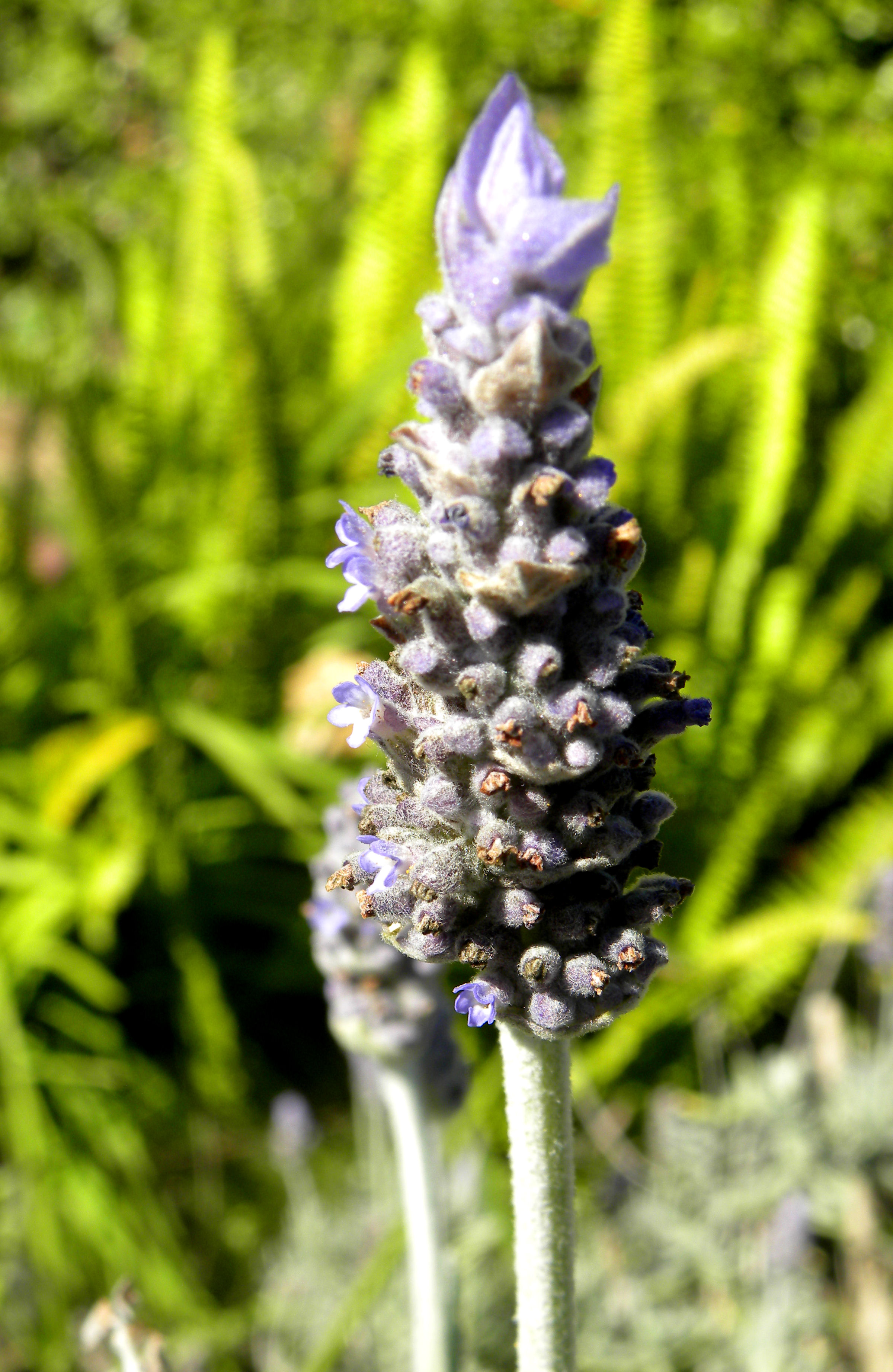
Another new thing I’m trying is making lavender sugar. The experts tell me that English lavender is better for culinary purposes than French lavender, which is used more for crafts. French lavender has deeply serrated leaves while English lavender has smooth leaf edges. Recipes say to use 1/4 C of lavender heads for every cup of sugar. Since recipes for lavender cake and lavender cookies may call for 2 cups of suguar, I made 2 cups. I made the mistake of washing the freshly picked lavender flower heads. All that moisture clumped the sugar and I had to leave it in an open dish for a couple of days to dry out.

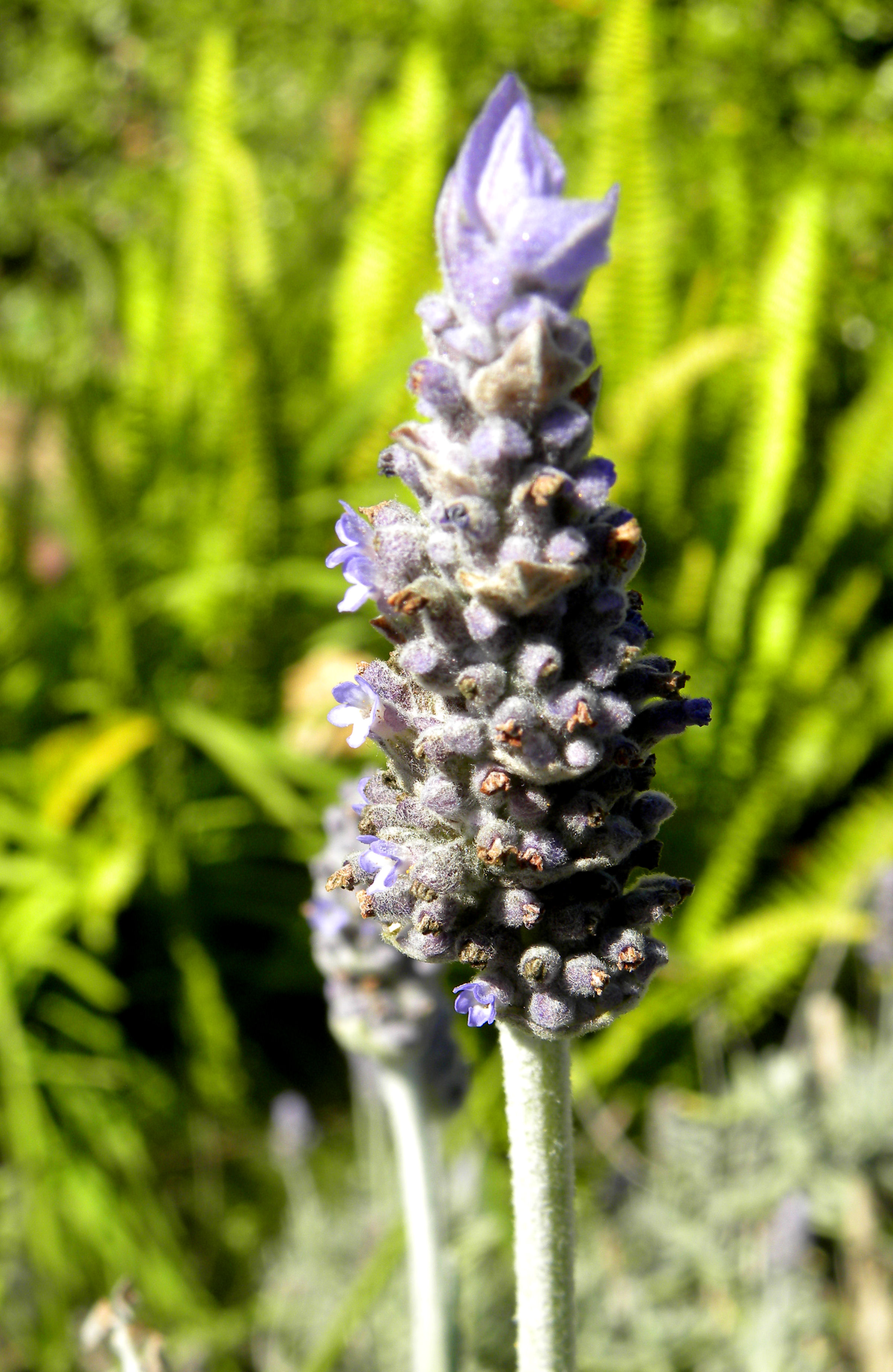
The proper procedure is to alternate layers of unwashed English lavender flower heads and sugar in a container such as a quart Mason or Ball jar, put on the lid, and let sit for two weeks. Sift out the lavender and discard it. Use the sugar for recipes that call for it. The photo below is of French lavender.

Flower heads of French lavender are more compact than the spiky heads of English lavender.

And now on to this week’s harvest.

17 eggs (Wow, the hens were busy this week.)

1/2 cup English lavender heads (1.5 oz.)

1 Meyer lemon (5 oz.)

parsley (1 oz.)

lettuce (2 0z., green oakleaf and red salad bowl)

Total produce harvested, 9.5 oz.

Aw, what a pathetic harvest for this week. But what I am not reporting are the massive handfuls of sorrel, parsley, cilantro, nasturtium leaves, and kale that I feed to the chickens. I also am not reporting my crop failures of broccoli (it bolted when the heads were miniscule) and some of the green savoy cabbages that split and got bug-eaten while too tiny for human use. Those went to the chickens as well. I report those harvests not in tonnage of greens pulled, but in number of eggs received from the three hens. It all works out.

(To read more of Lou Murray’s environmental writing, see her weekly column, Natural Perspectives, in the Huntington Beach Independent at www.hbindependent.com /blogs_and_columns)
Posted in Uncategorized | 6 Comments

Making a sage farinata

Bob's Red Mill makes garbanzo bean flour.

I first heard of farinata when Vic and I went to the Bracebridge Christmas dinner at the Ahwahnee Hotel (a once-in-a-lifetime experience at the prices they charge) two years ago. Farinata is a cracker or bread-like appetizer, made with garbanzo bean flour and often flavored with sage and onion. I vowed to try making it myself.

My first effort, using a recipe from Sunset Magazine online, wasn’t very successful. The recipe called for 1 cup of garbanzo bean flour and 1.5 cups of water, plus 2 T olive oil, 1/4 C sage, and 1 onion. The recipe also called for 1/4 tsp salt, which wasn’t enough. I cooked that farinata in a cast iron skillet on the stovetop as suggested, followed by broiling. It came out gooey and stuck to the pan even though I cooked it longer than suggested. I gave up on that recipe.

Then I came across a recipe for farinata with sage, olives and onion on www.epicurious.com that was from the Oct. 1999 issue of Gourmet magazine. I tried it and was very impressed. The only fault I found with the recipe was that it was way too salty. It called for 1 1/4 tsp salt plus 30 Nicoise olives. I didn’t have Nicoise olives, so I used Kalamata, but had only half the amount the recipe called for. I think that half was a good amount. My sage hadn’t grown enough to give me the 45 small leaves that the recipe called for, so I used 15 leaves. It would have been better with double the amount of sage I used. Next time.

Here is the Gourmet recipe and instructions.

Olive, Sage and Onion Farinata

1 cup garbanzo bean (chickpea) flour

2 cups cold water

1 1/4 tsp salt (would be better with only 1/2 tsp salt)

4 1/2 T olive oil (Are you kidding? who measures?)

1/2 large white onion, thinly sliced

30 Nicoise olives, pitted (1/4 C is plenty–I used Kalamata olives and cut them into pieces)

45 small or 30 large sage leaves, thinly sliced (or less)

Set a pizza stone on the rack in the upper third of the oven and preheat to 550 degrees F. (That’s not a misprint, 550). While oven is preheating, whisk together the garbanzo bean flour and water until smooth. Batter will be very thin and watery. Whisk in salt and 2 T of olive oil (I did measure the oil for this step). Let batter sit. (I have no idea why it should sit unless the flour needs to rehydrate.

Cook onion with salt to taste (no added salt is necessary since salt is in the batter and the olives) in 1 T olive oil in a large, heavy skillet over moderate heat, stirring occasionally, until onions are golden, about 10 minutes. Then cool.

Put a seasoned 10-inch cast iron round griddle (I used the lid to my Lodge cast iron Dutch oven, which was perfect) on pizza stone and heat 10 minutes. ( I put the griddle on the stone while oven was preheating.) Remove pan from oven and add 1/2 T olive oil (I didn’t bother measuring), tilting to coat evenly. Working quickly, stir batter and ladle about 7/8 C evenly into pan. Batter will sizzle and begin to set immediately. Quickly scatter a third of the onion, olives and sage leaves over the batter.

Farinata batter is thin and watery, but begins to cook and set the instant it hits the preheated griddle.

Return pan to oven on top of the pizza stone. Bake for 12 minutes at 550 F, then turn oven to broil (if oven has a top broiler) and cook for an additional 1-5 minutes. Edges should be golden brown and crisp and the top flecked with golden spots. (If using an oven with a broiler on the bottom, bake 15 minutes then transfer pan to broiler and broil for 1-2 minutes).

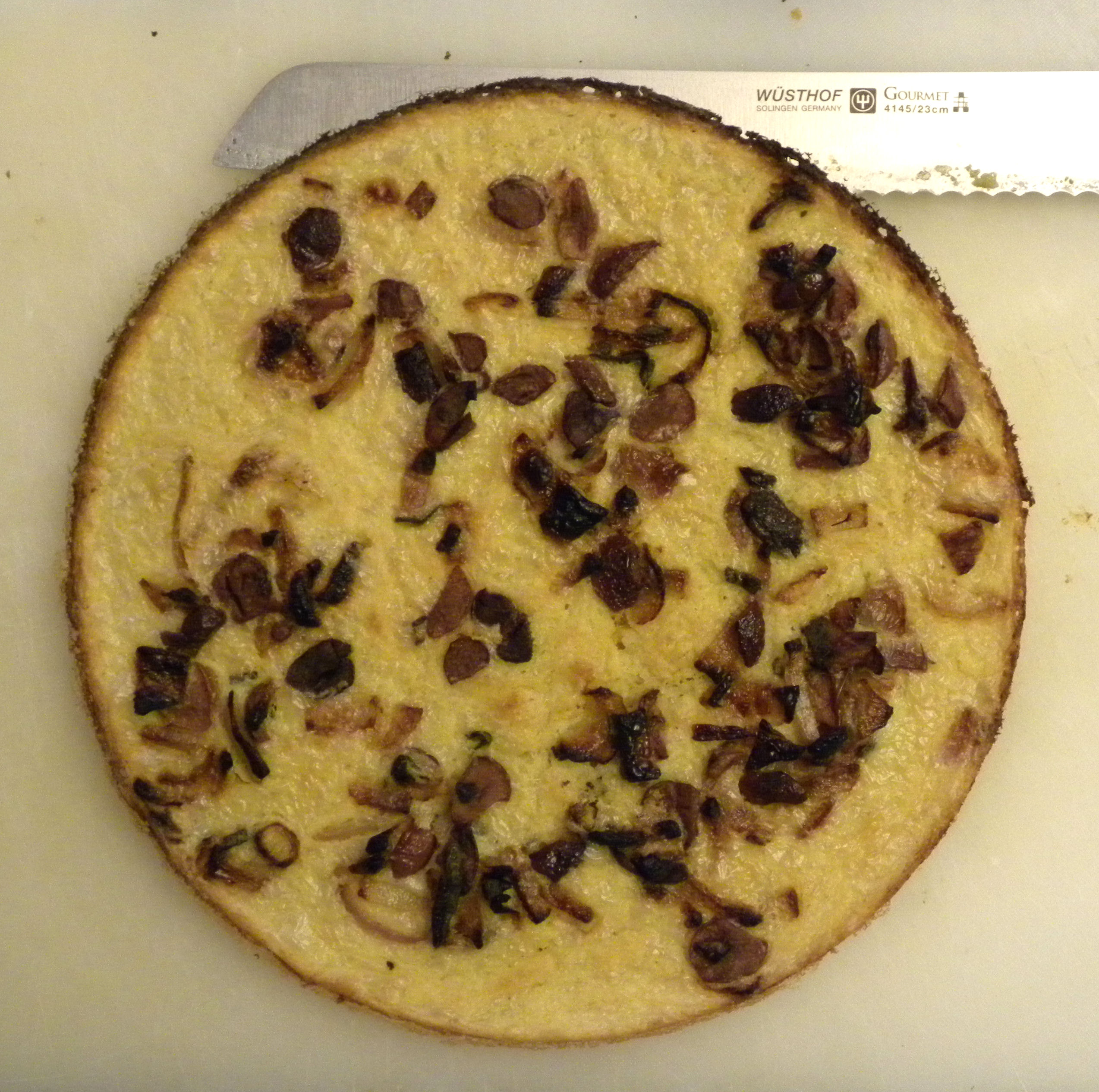
Cooked farinata will have crisp edges and golden flecks on the top.

Slide farinata out of the griddle and onto a cutting board. Cut into 6 pie-shaped wedges. Make two more farinatas, reheating pan for 5 minutes before adding batter.

Serves 4-6 people as an appetizer. It’s nice to share a bottle of wine while waiting for the next farinata to cook. Because of the length of time until the next one is ready, you might have other appetizers or an antipasto available.

A finished farinata. This recipe makes three 10" farinatas, which is supposed to serve 6 people, but my husband and I gobbled it all up ourselves, along with a salad. That was dinner. YUM!

This is just one more reason to grow an herb garden. I love having fresh herbs available right outside the door when I want to experiment with a new recipe.

(To read more of Lou Murray’s environmental writing, see her weekly column, Natural Perspectives, in the Huntington Beach Independent at www.hbindependent.com /blogs_and_columns)
Posted in Uncategorized | Tagged , , , , , , , | 3 Comments

Harvest and planting Monday, Feb. 21, 2010

I find that I really look forward to Harvest Monday these days, where gardeners post what they’ve harvested during the previous week. When there is actually a harvest, it’s more fun!

Here are 12 of the 16 eggs our three hens laid this week.

Our “girls” were busy this week, laying 16 eggs. That’s the best week since we’ve had them, and brings our total egg harvest for February to 42 and counting. We’re eating a lot more eggs than we used to, and still have eggs to give away to our son Scott and his growing family.

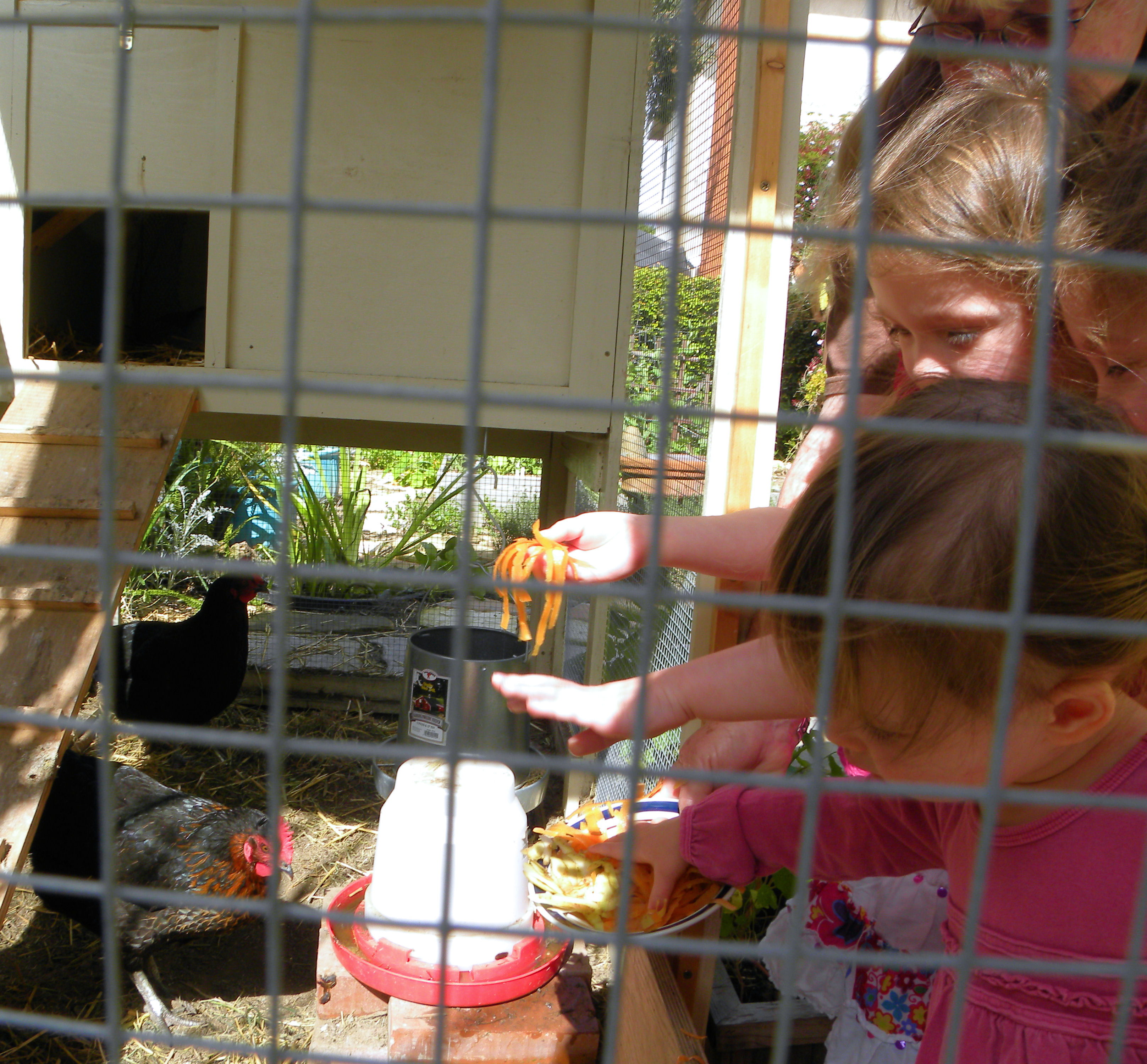
Megan, Lauren and Allison feed carrot peelings to the hens.

This was the first time that 2-year-old Megan had seen the hens. She really enjoyed them.

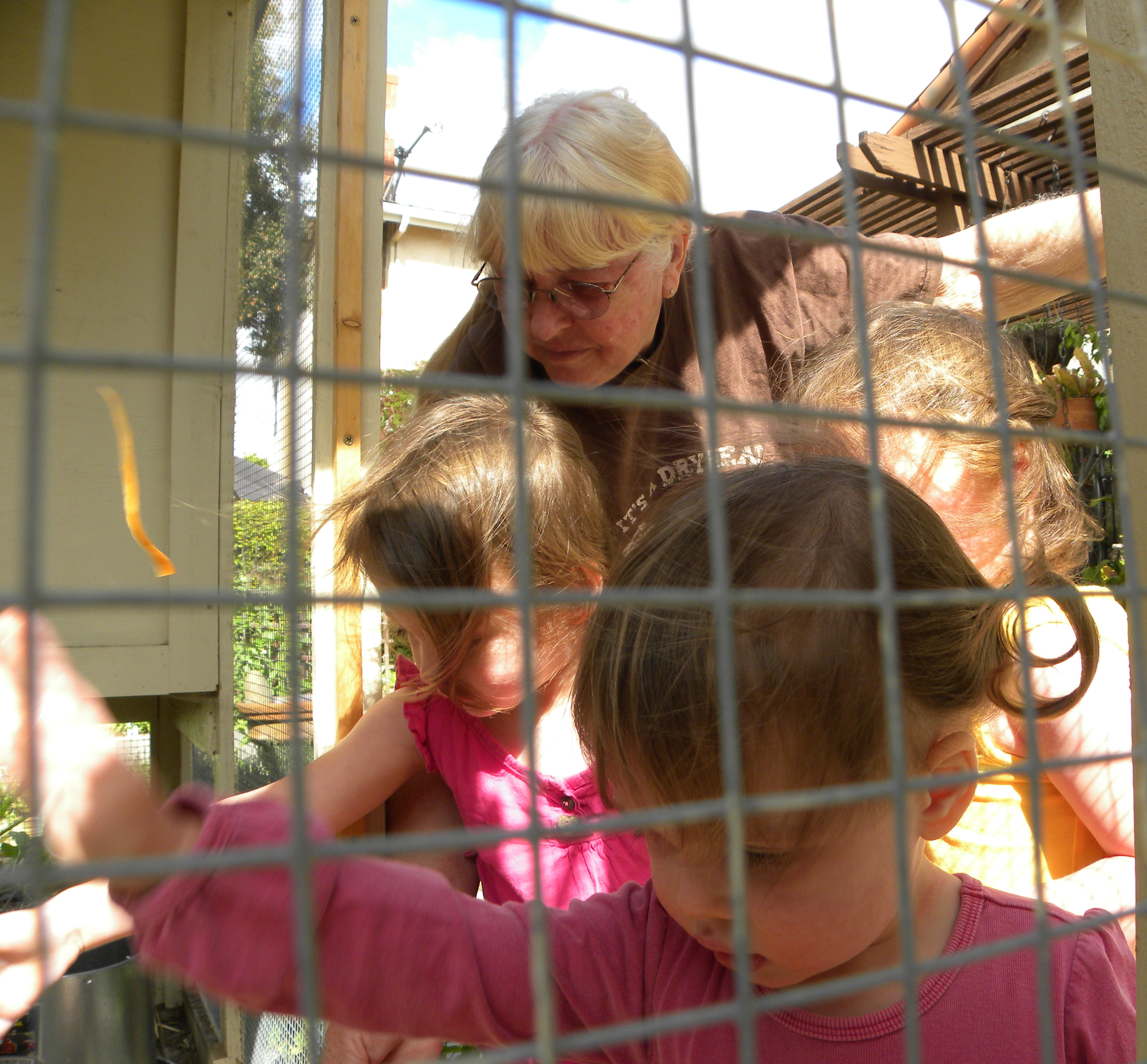
Having fresh eggs is nice, but having the grandgirls gather eggs and feed chickens is the real payoff for this granny.

If I bend over and Vic has the camera, he snaps a pic. I can't tell you how many photos of my butt he's taken. At least this angle isn't as bad as most of them, and gives you a good view of our deck and back gardens.

The chickens enjoy vegetable peelings and the fresh cilantro, sorrel, and parsley that I pick for them.

It’s also planting season here in coastal southern California. This week I planted German white icicle radishes, Melting Sugar snow peas, blue potates, sunchokes, and Super Sugar Sprint peas in a tray for shoots. I also started pots of heirloom tomatoes (Black Krim, Brandywine, and Mortgage Lifter), eggplant (Black Beauty, Rosa Blanca, and Berenjana), and green savoy cabbage.

I'm a bit late in starting my pots of tomato, eggplant and cabbage seedlings. It's warm enough now that I just grow them outside on the roof of the chicken coop, which is the sunniest spot in our yard at this time of year.

And now on to the week’s harvest.

16 eggs

6 green onions (1.5 oz.)

lettuce (2.5 oz.)

2 radishes, German white icicle (1 oz.)

herbs: parsley, mint, thyme, rosemary (2 oz.)

1 navel orange (9 oz.)

2 Meyer lemons (11 oz.)

Total produce harvest: 2 lbs, 7 oz.

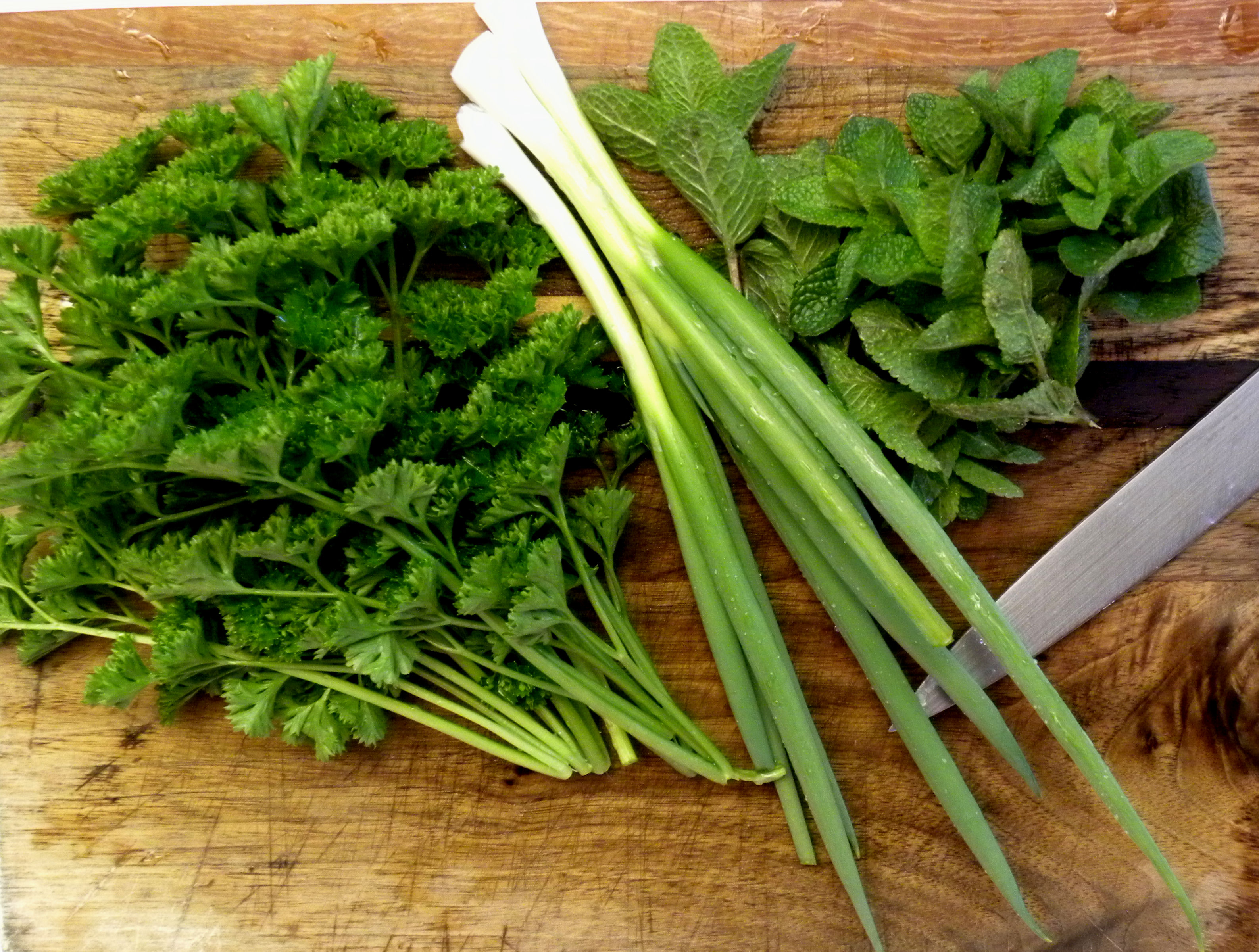
The mint and parsley went into a tabbouli, along with some of the green onions and a Meyer lemon.

If you had a harvest this week, visit Daphne’s Dandelions and share the news.

(To read more of Lou Murray’s environmental writing, see her weekly column, Natural Perspectives, in the Huntington Beach Independent at www.hbindependent.com /blogs_and_columns)

Posted in Uncategorized | Tagged , , , , | 14 Comments

February fruits, flowers and veggies in a southern California garden

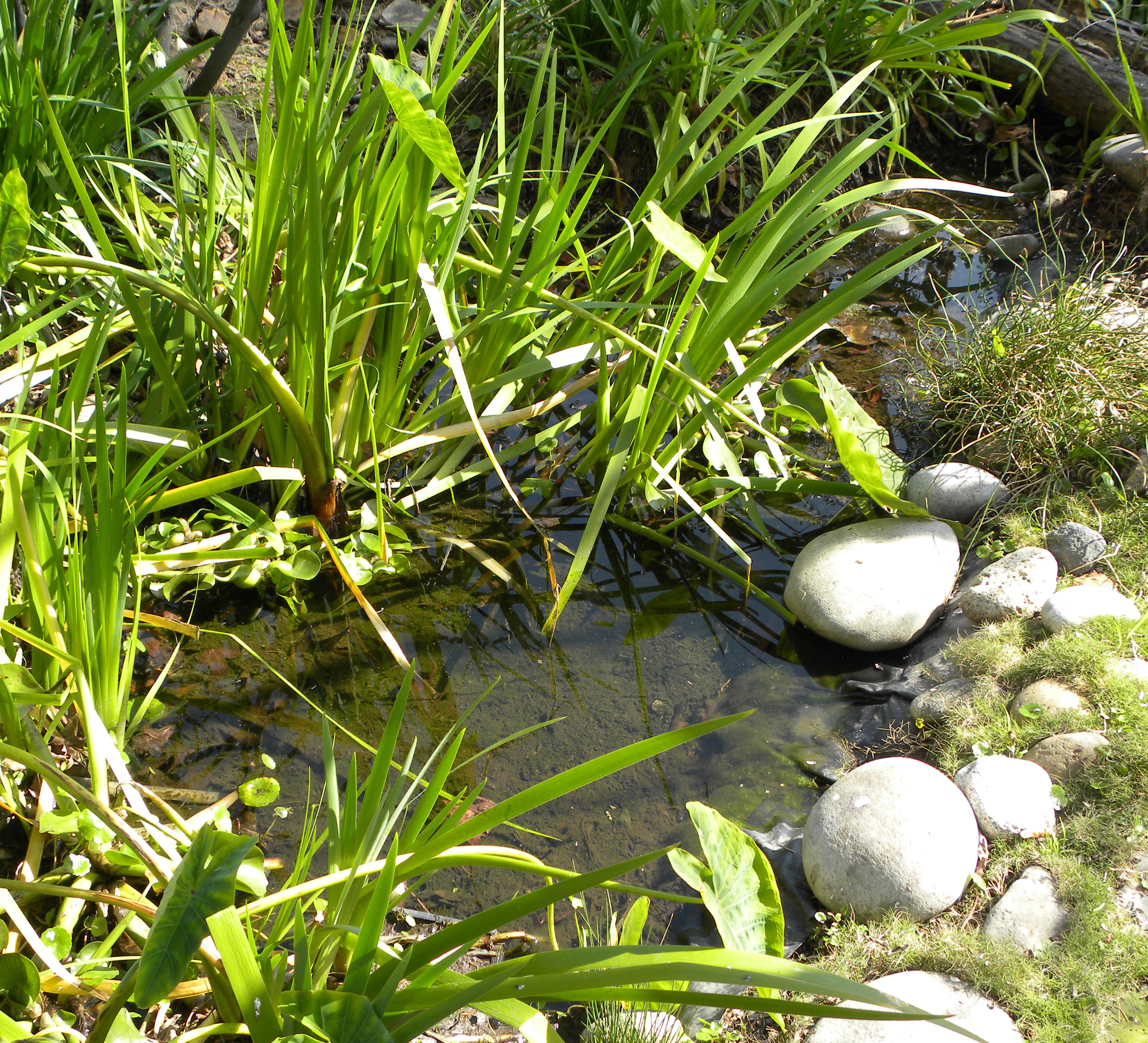
I built our front yard pond myself. We gave it a "lick and a promise" cleaning last month, but it needs additional work to keep ecological succession at bay.

Spring has arrived here on the coast of southern California. For us, spring is a long, drawn-out affair, with new things popping into bloom every week.

This year, I plan to photo-document what is in bloom each month, posting the results around mid-month. We have a small yard, 6,000 square feet, with most of the ground occupied by house, driveway and sidewalk. Still, I do the best I can with the space that I have, growing food, maintaining habitat for wildlife, and having flowers to lift my spirits.

Spring is an especially fun time for this photo project with my young fruit trees coming into bloom and my raised beds for vegetables seeing their first spring. Come take a peek at “granny’s bloomers.”

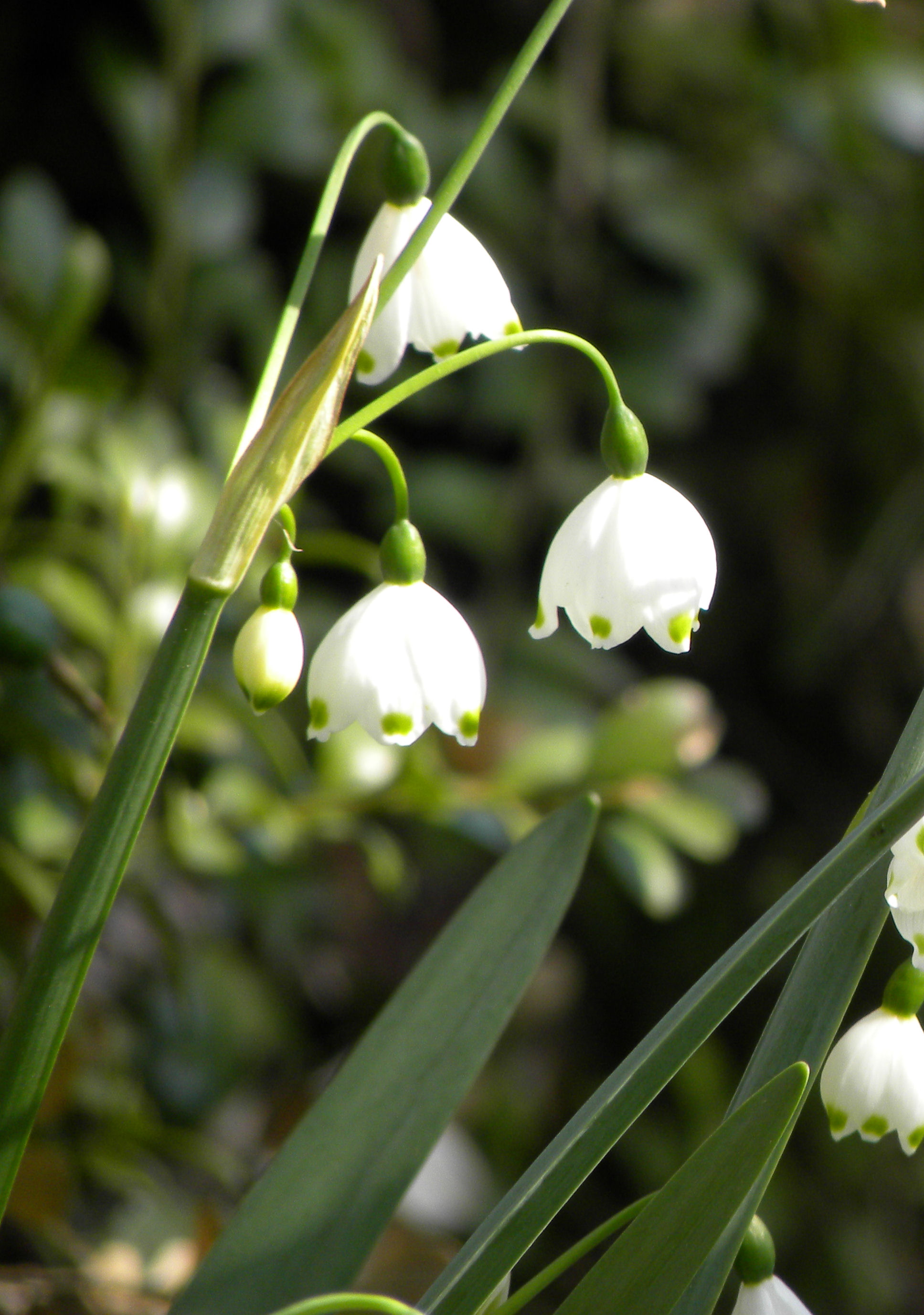
The paperwhites that I planted by the side of our pond and dry streambed have finished blooming, but the snowdrops are in their prime.

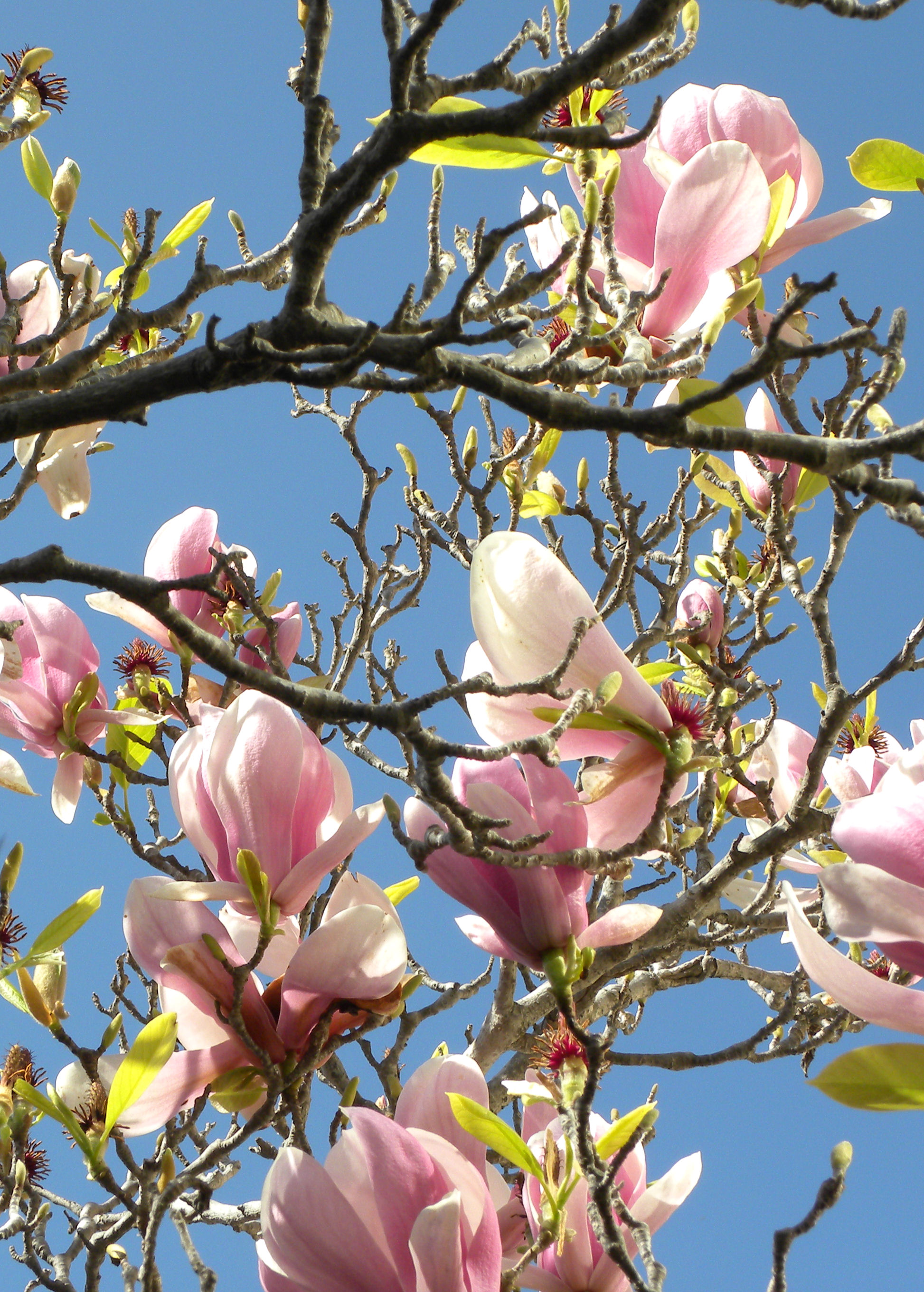
Our pink magnolia tree is quite pretty this time of year.

Our August Pride peach is the second of our stone fruit trees to come into bloom, with the first blossom on Feb. 14 this year.

Most of the August Pride peach flowers are still in tight bud.

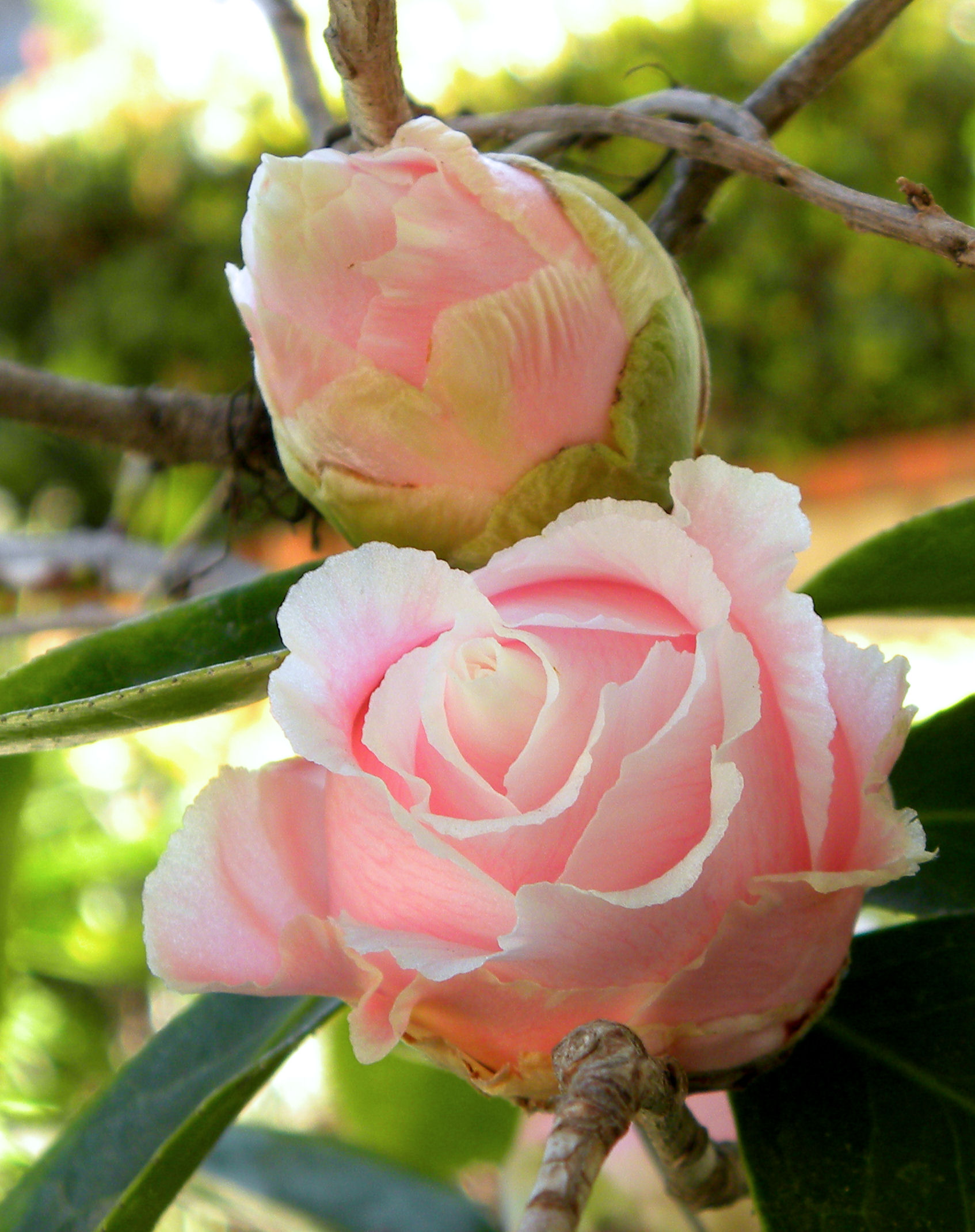
With three camellia bushes by the front walkway, we should have pink blossoms from January into March.

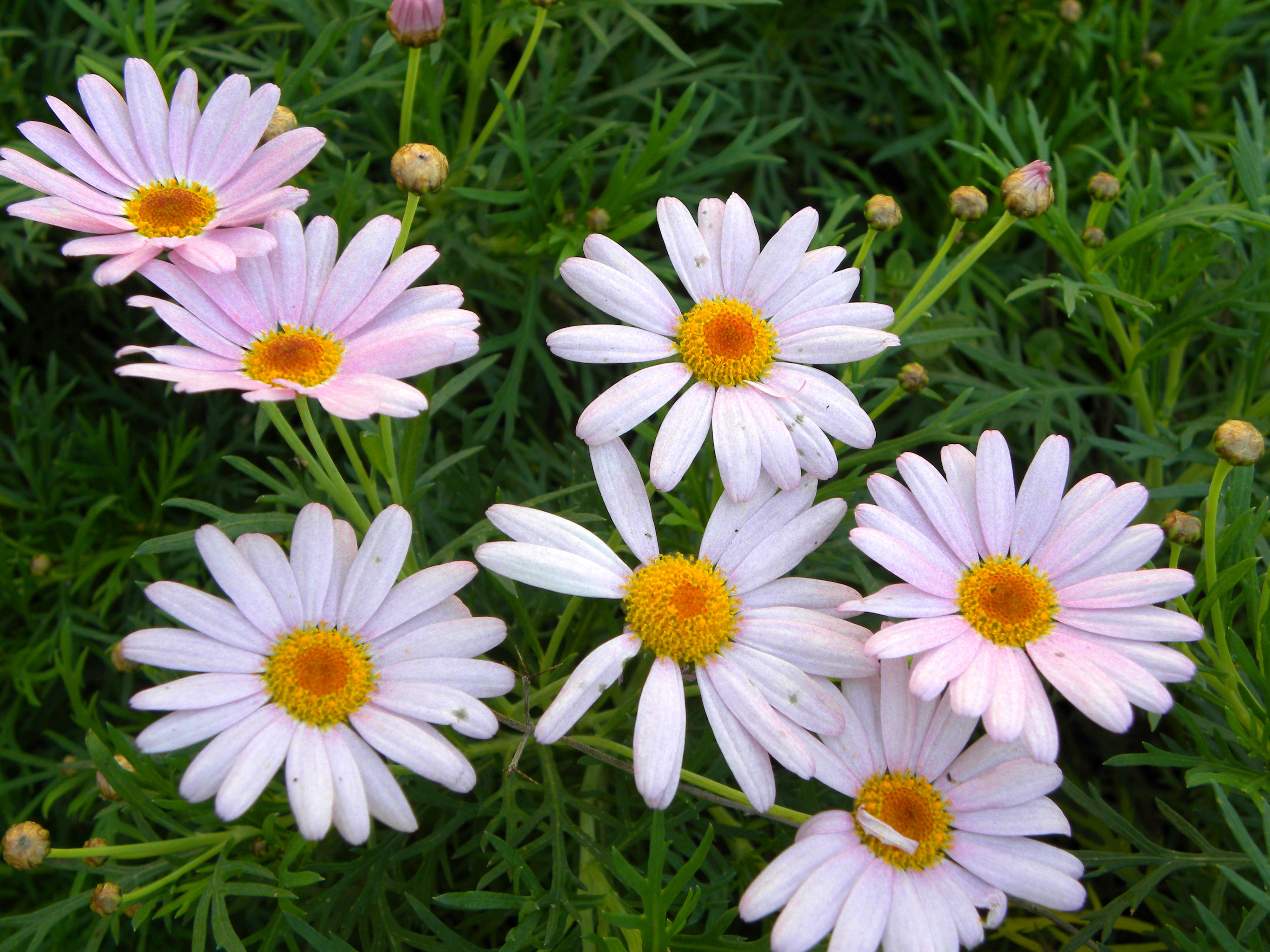
Pink cobbity daisies carry out the pink theme for February on the other side of the front walkway.

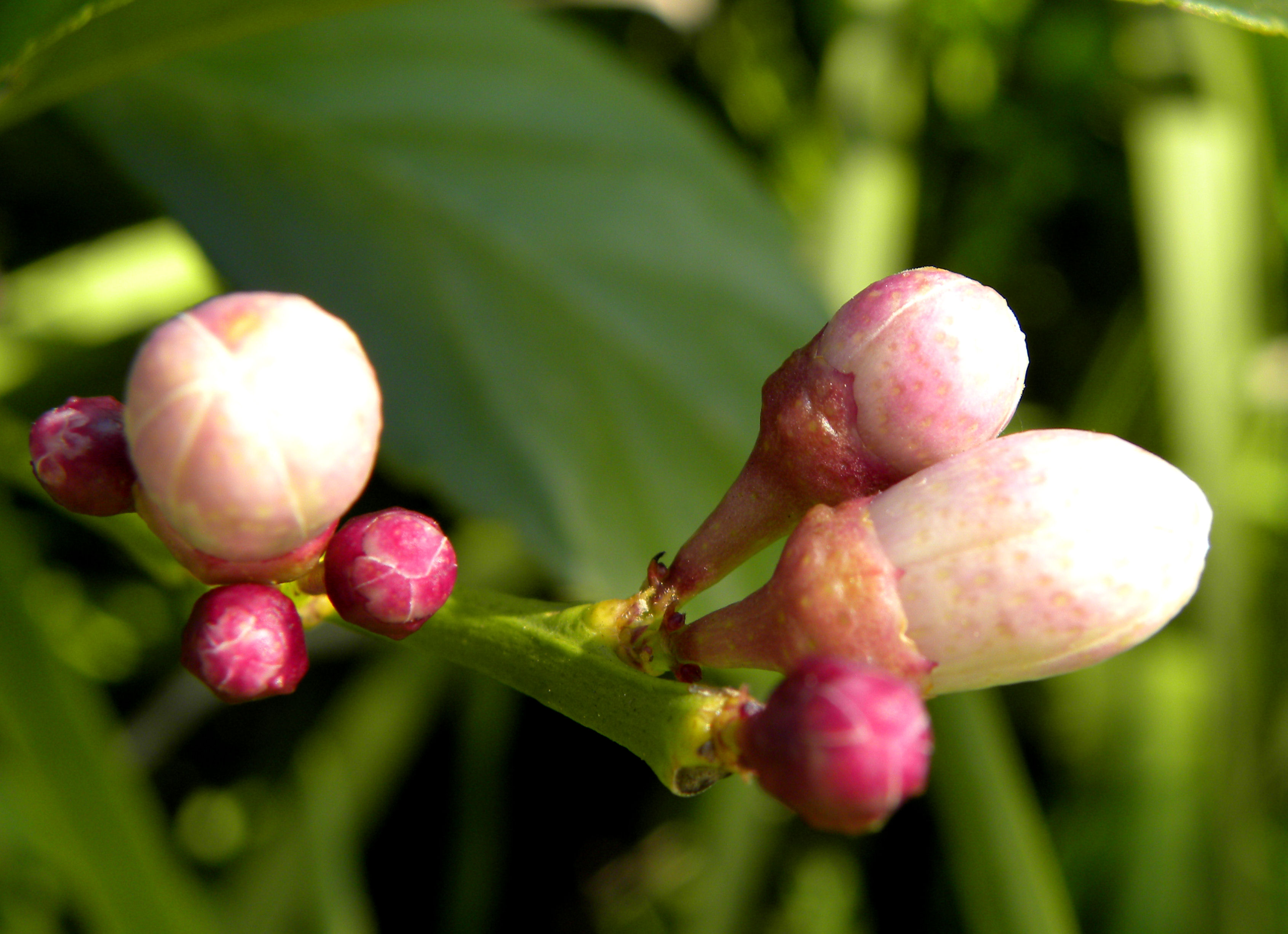
Even the flower buds on the dwarf Eureka lemon tree are pink.

One out of three of our dwarf Eureka lemon trees has set fruit already. The Eureka lemons have pointier ends than the Meyer lemons and are more sour.

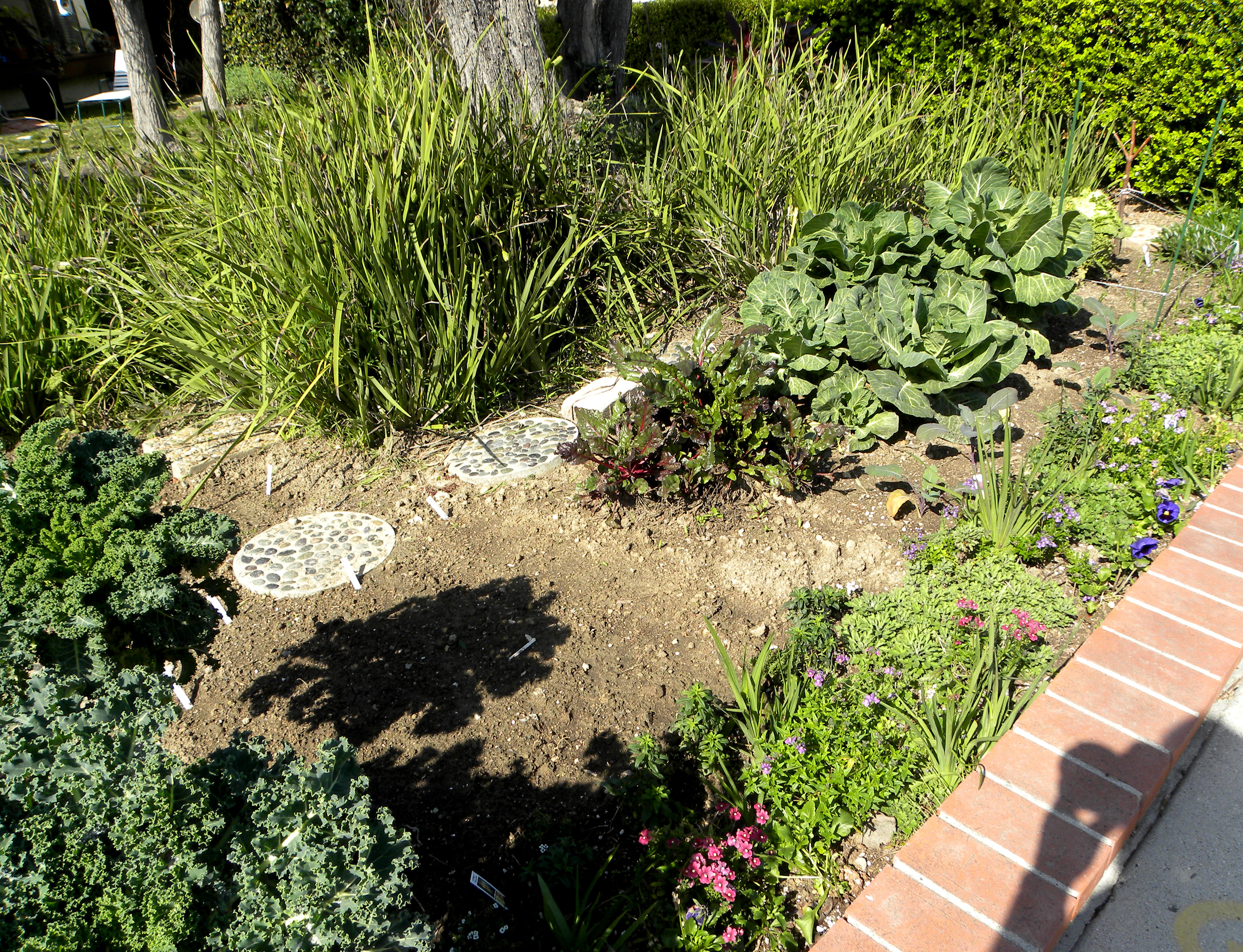
The Garden of Infinite Neglect by the front sidewalk is looking less neglected than usual with a refurbished flower border. I have kale, collards and beet greens ready when I want them, savoy cabbages that might ripen some day, hopeful sprouts of yellow onions, and newly planted seeds of beets (Chioggia and Lutz Greenleaf), Bright Lights chard, baby bok choy, and yellow summer squash.

Garden of Infinite Neglect from the other direction.

I have navel oranges bigger than this head of savoy cabbage. Well, it's trying.

The chickens and I have been working on weeds in the Garden of Perpetual Responsibility. I pull them, they eat them. Finally I can see my eight artichokes and 50-plus red onions above the weeds. Someday in the next month or so, this garden should get some sunshine as the sun moves north (or we tilt, however you look at it).

Green onions, strawberries and ginger grow in pots along the driveway. I can hardly wait to see a sprout in my pot of ginger.

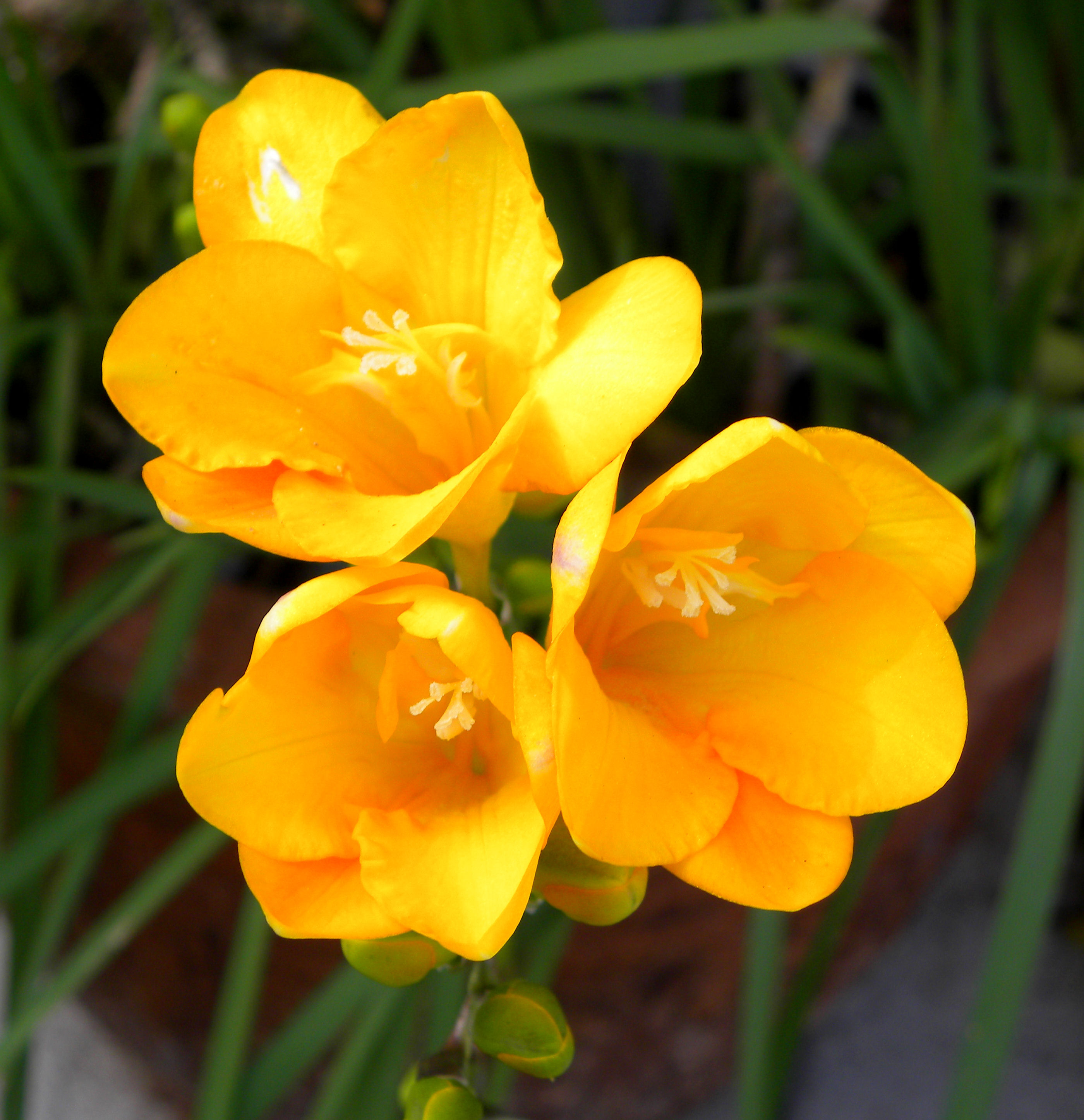
I'm not so organized that I have an all pink garden. The first of my freesias opened this week and they're everywhere. They've naturalized in the yard and I just let them grow. They fill the spring air with a delightful fragrance.

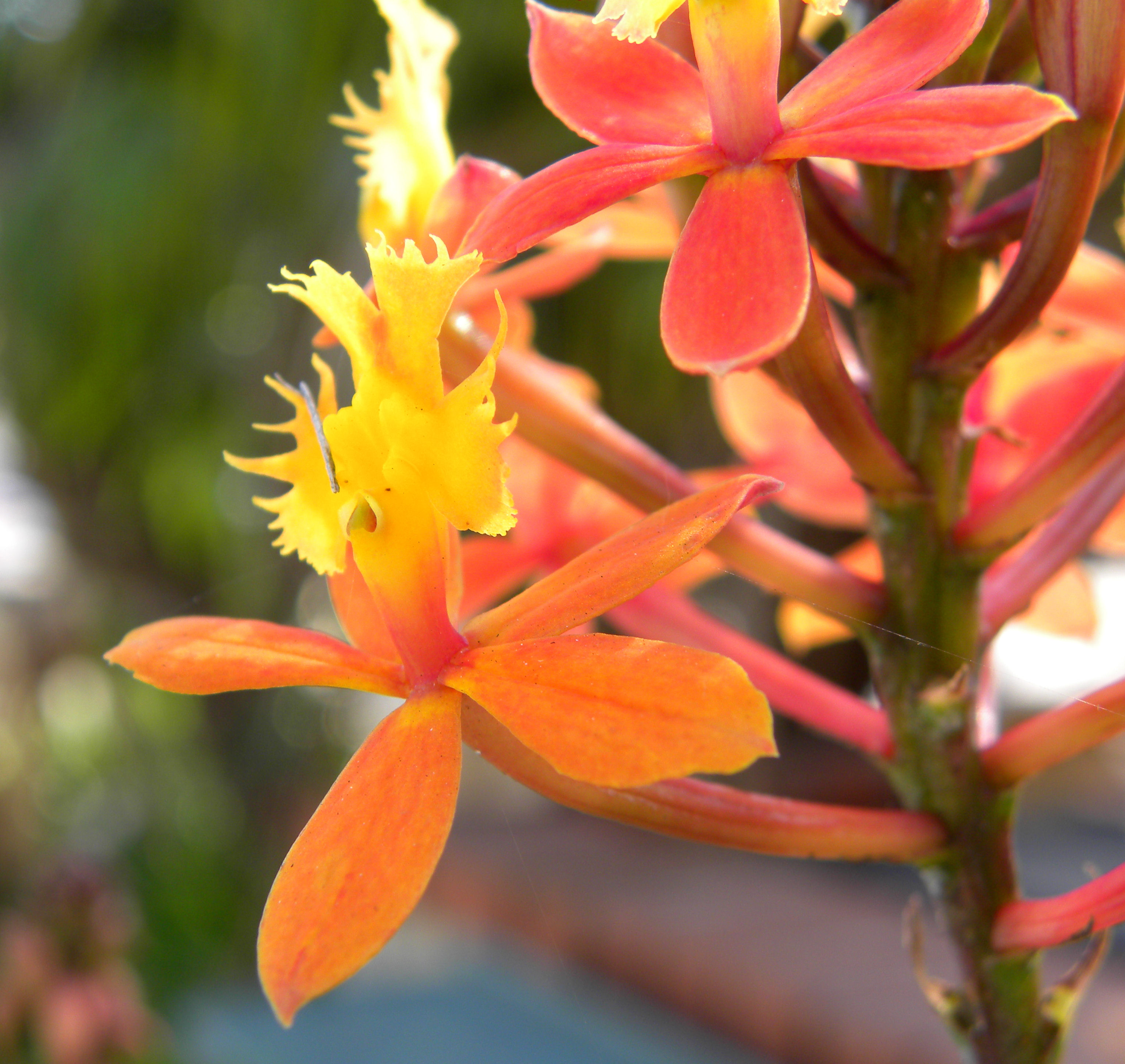
These lovely little Epidendron orchids bloom all year long. I have several pots of them. Other year-round bloomers in my yard are Nemesia, allysum, gazania, rosemary, lavender, lantana, and probably some others I'm forgetting.

Whoops, one of my readers pointed out that these are Epidendrons, not Dendrobiums. I was given this orchid by a friend, and misidentified it.

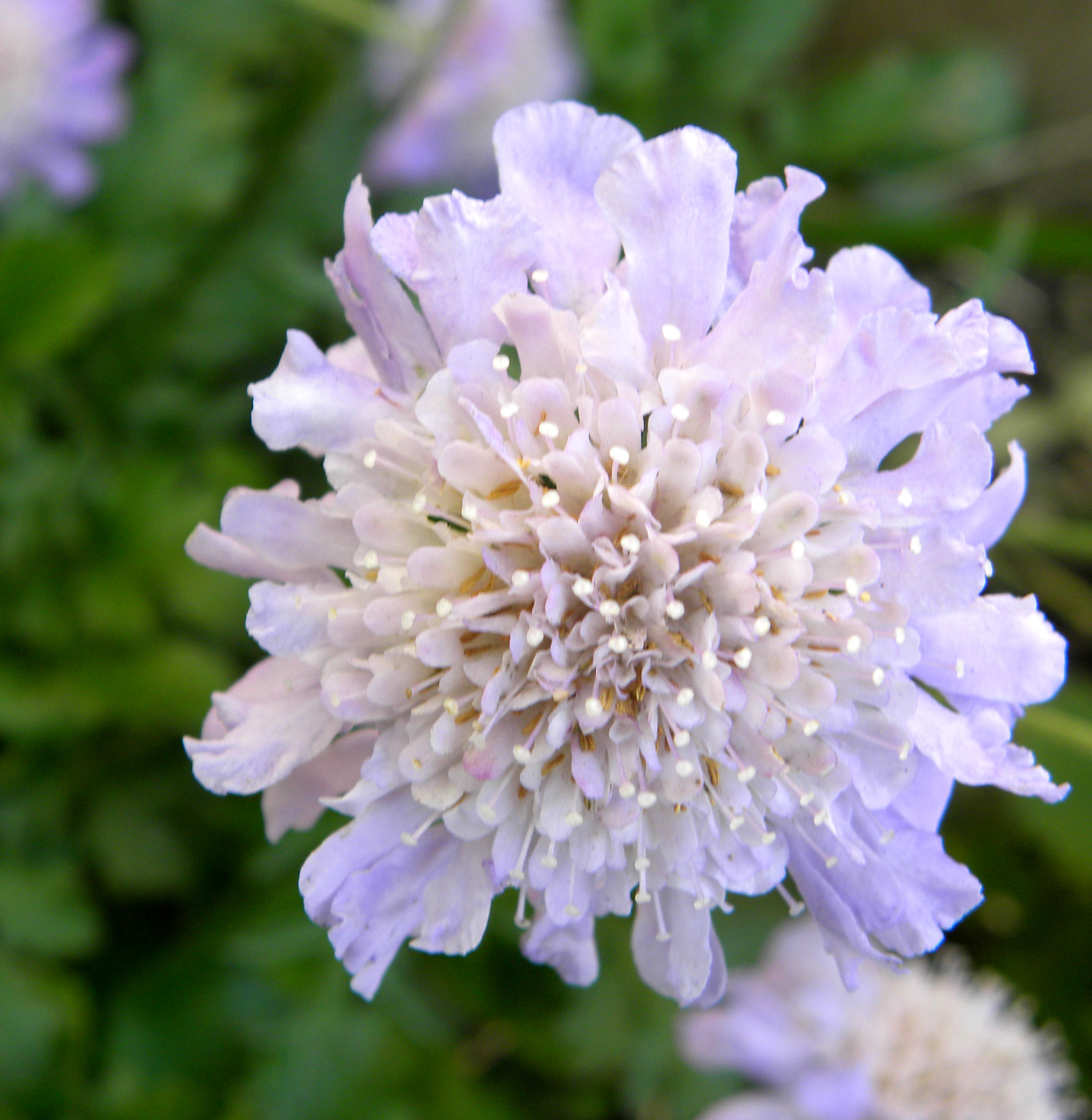
The lavender Scabiosas are doing well this spring.

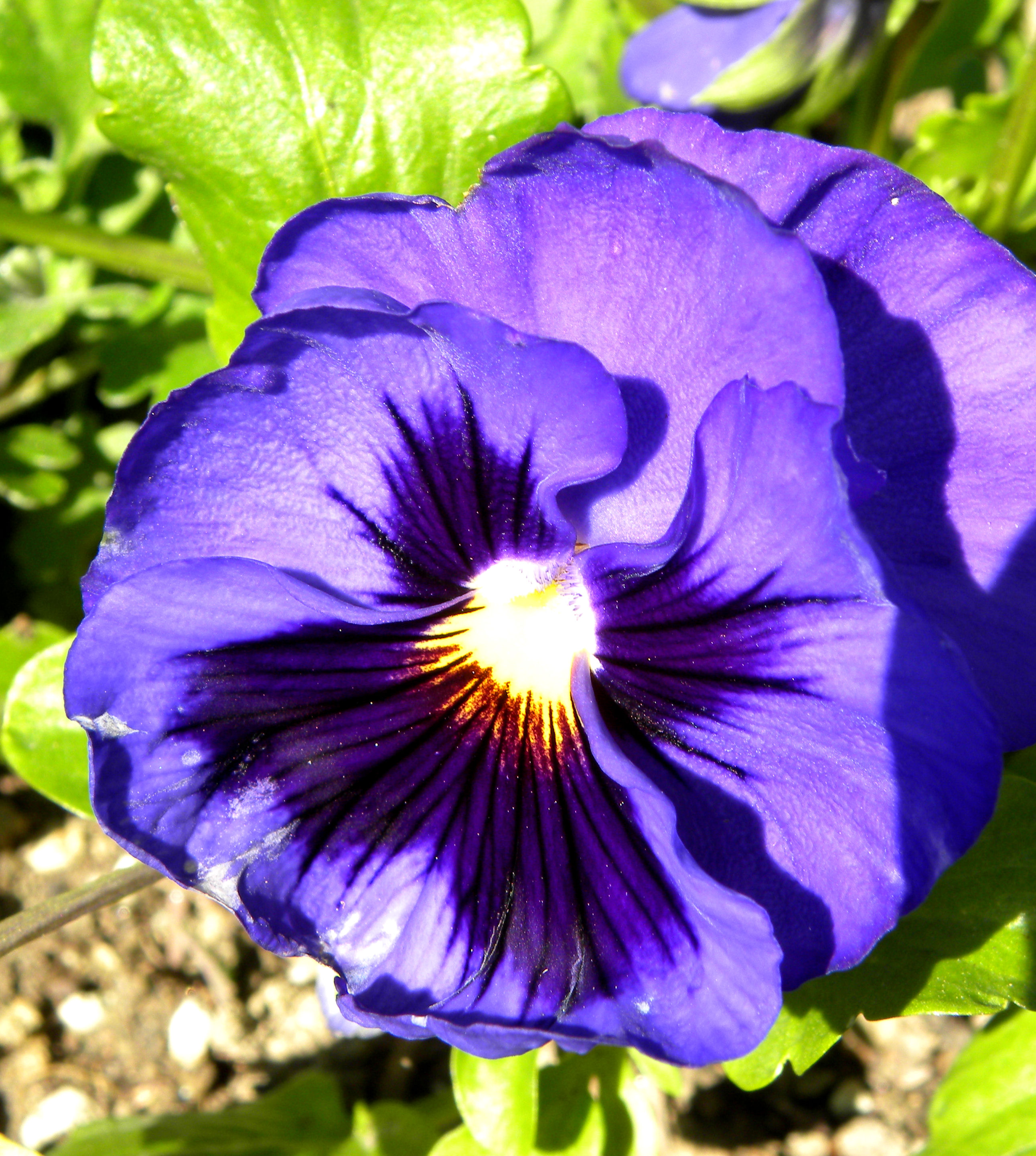
Pansies grow in the flower border of the Garden of Infinite Neglect. Oh, look, I have a lavender theme going.I want to try making some lavender sugar this spring. Apparently you just pick the flower heads and put them into a sealed jar of white sugar for a few months.

Lavender smells wonderful and attracts bees to the garden.

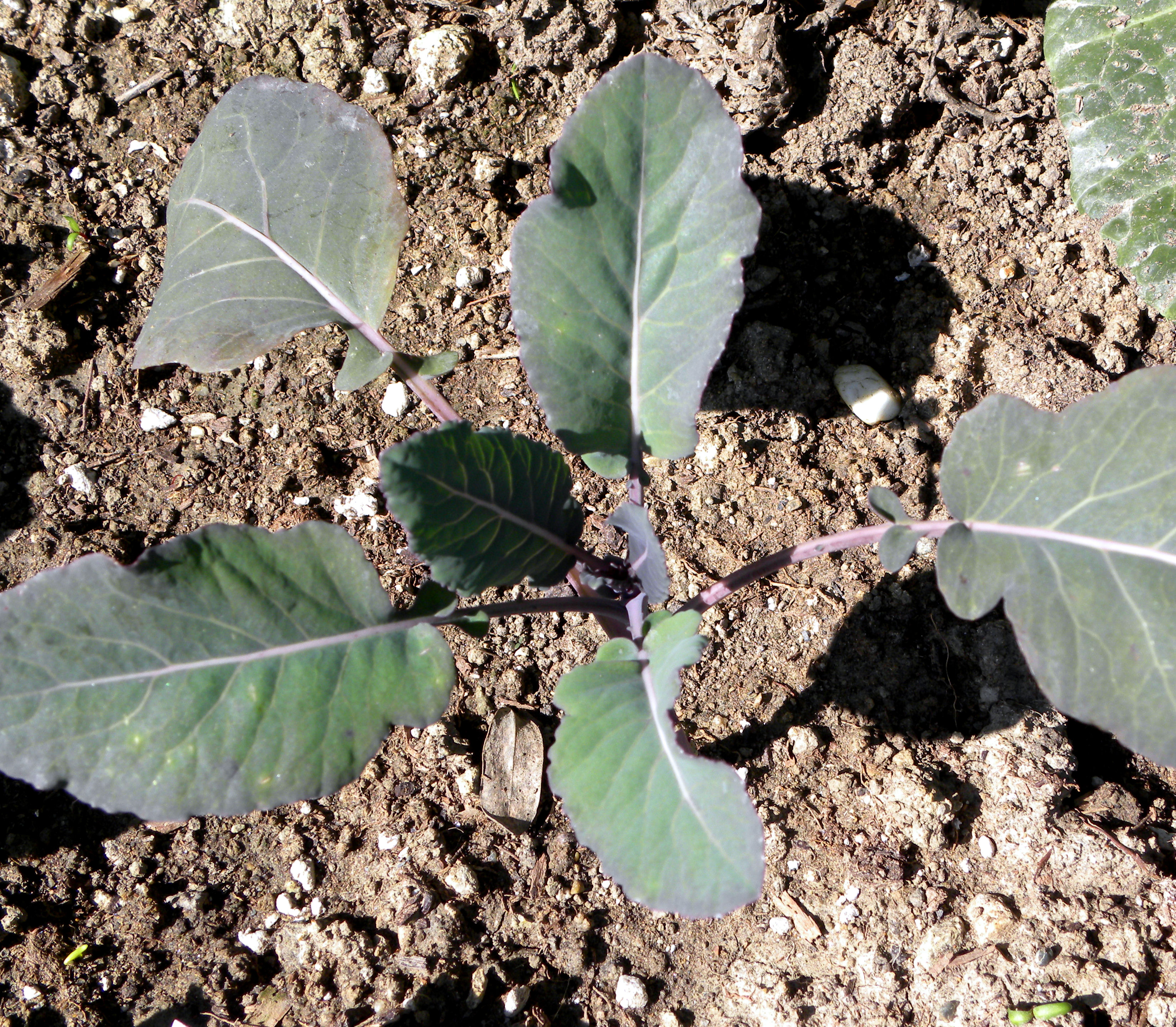
I'm growing purple cauliflower this year too, a new variety for me called Graffiti.

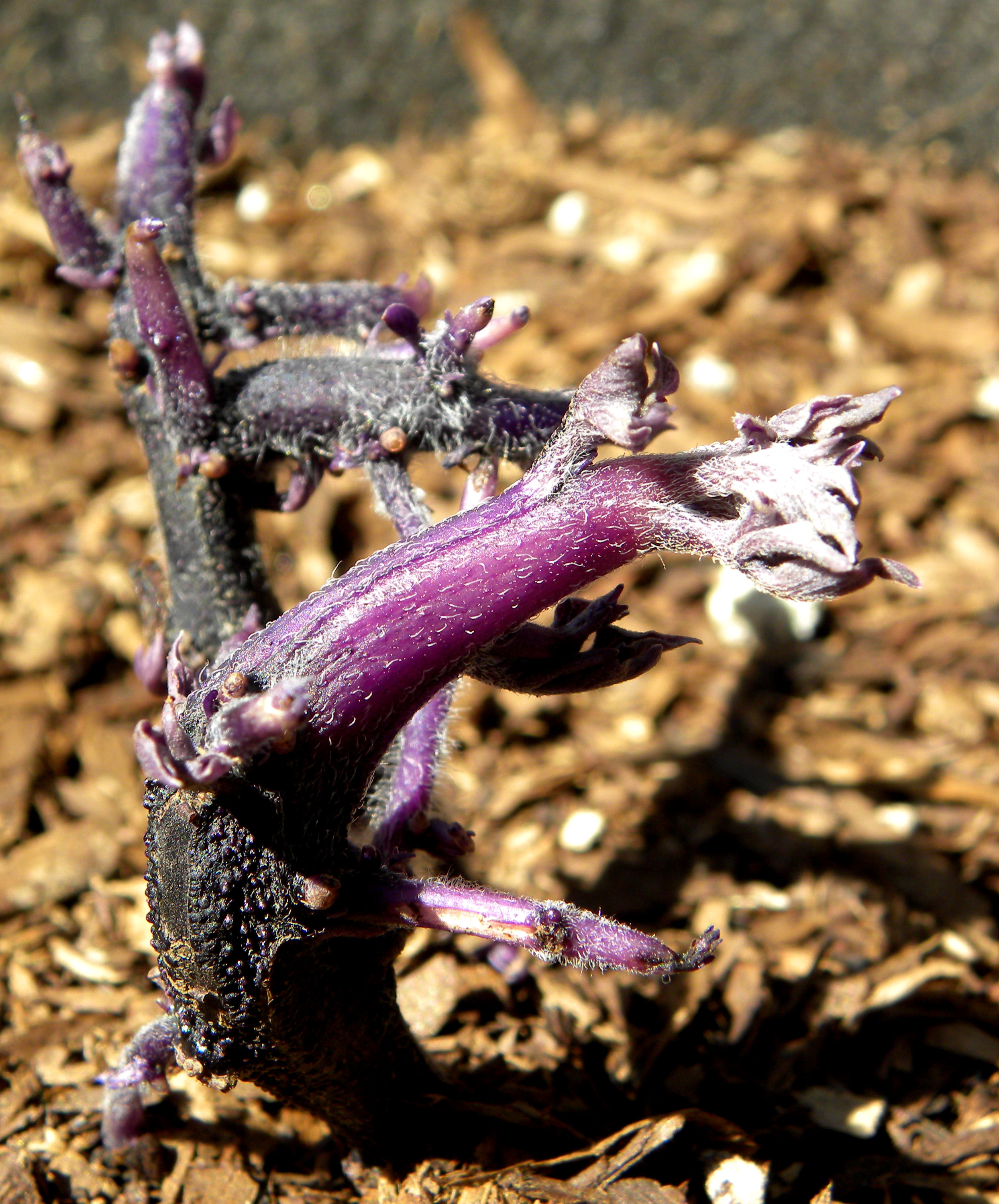
I'm even growing blue potatoes. Here is the first shoot.

So much for the front yard. On to the back.

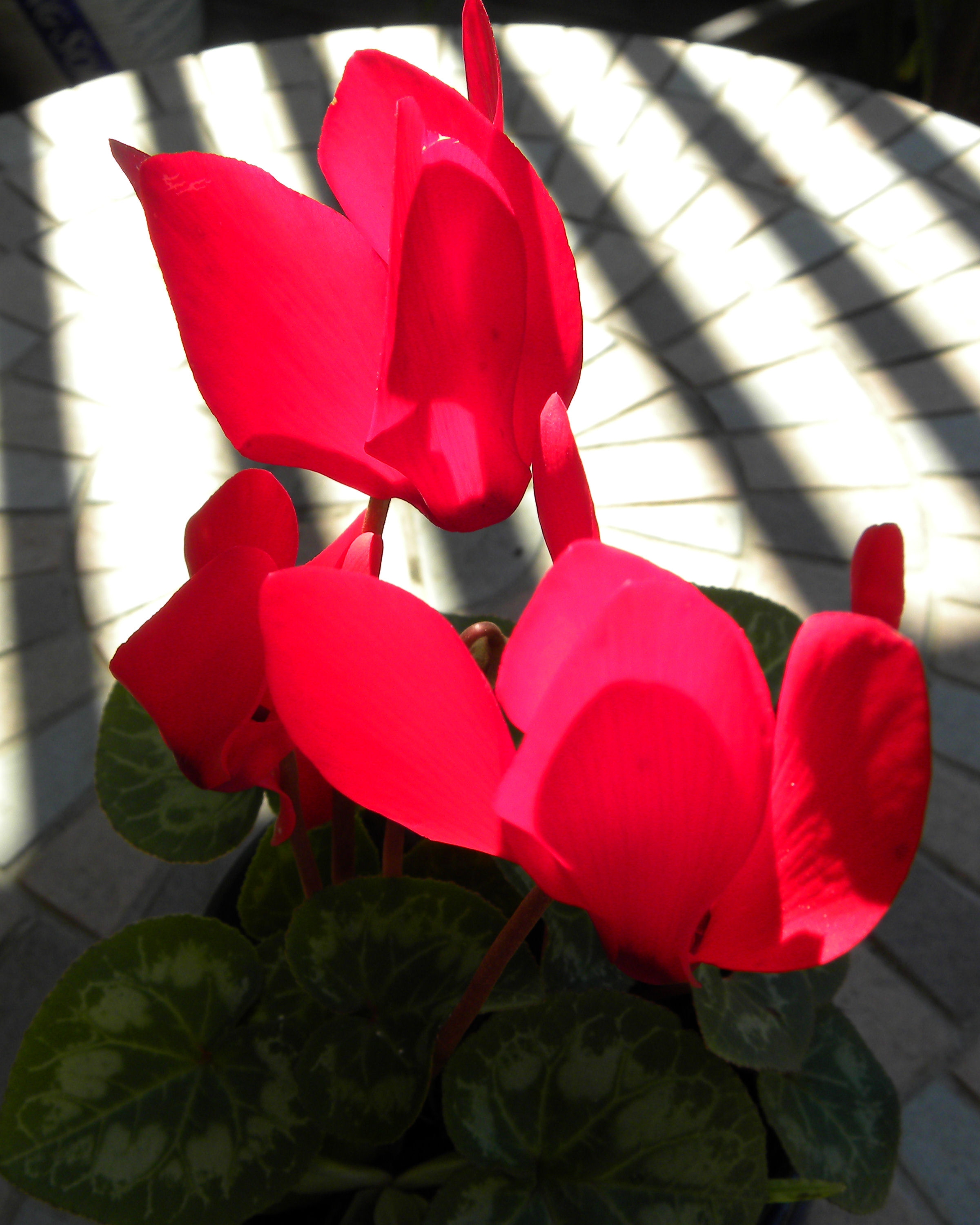
I liked the play of light and shadow with this wacky shot of a red cyclamen.

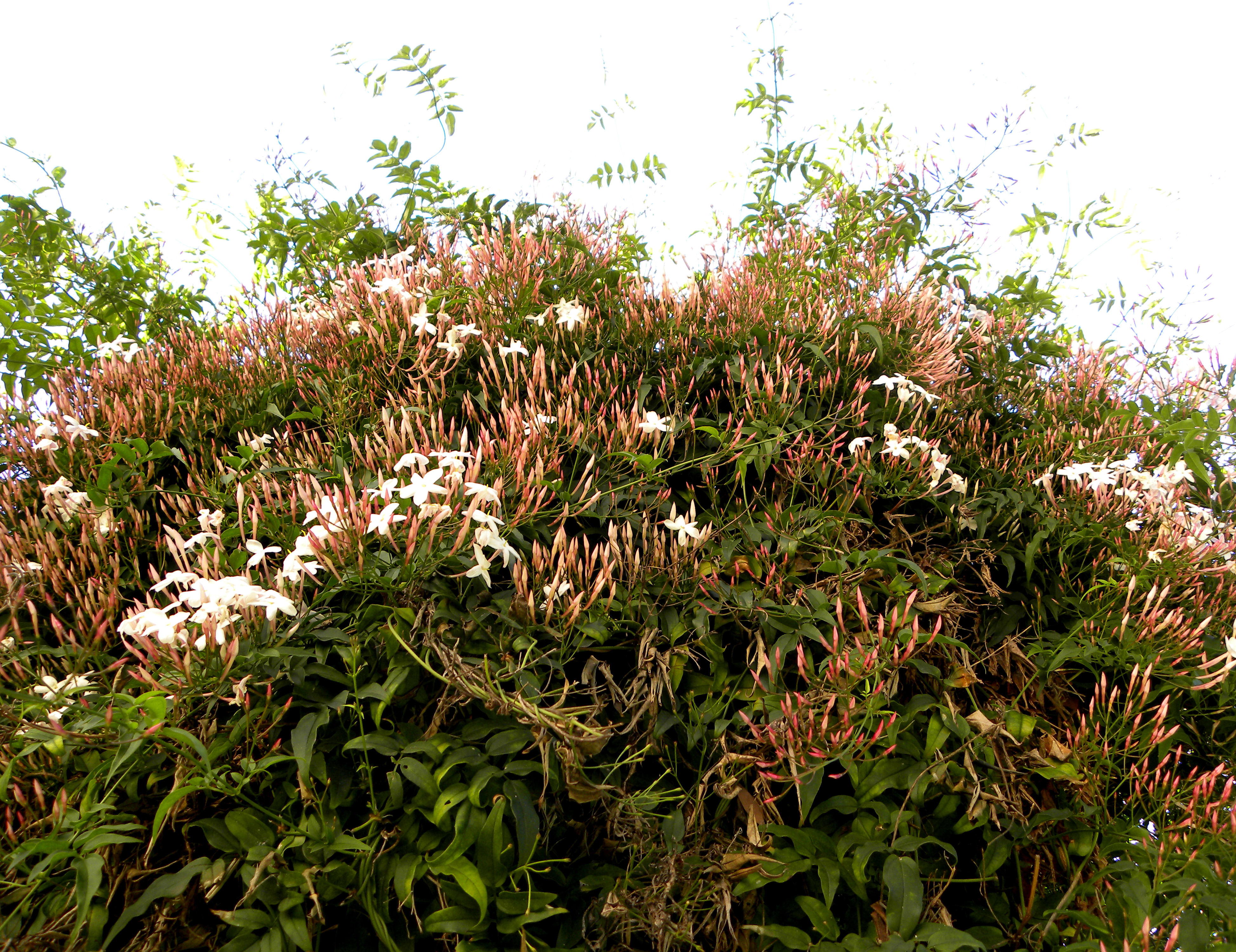
Masses of pink jasmine grow up two trellises and over our deck, filling the air with a sweet, heavy scent.

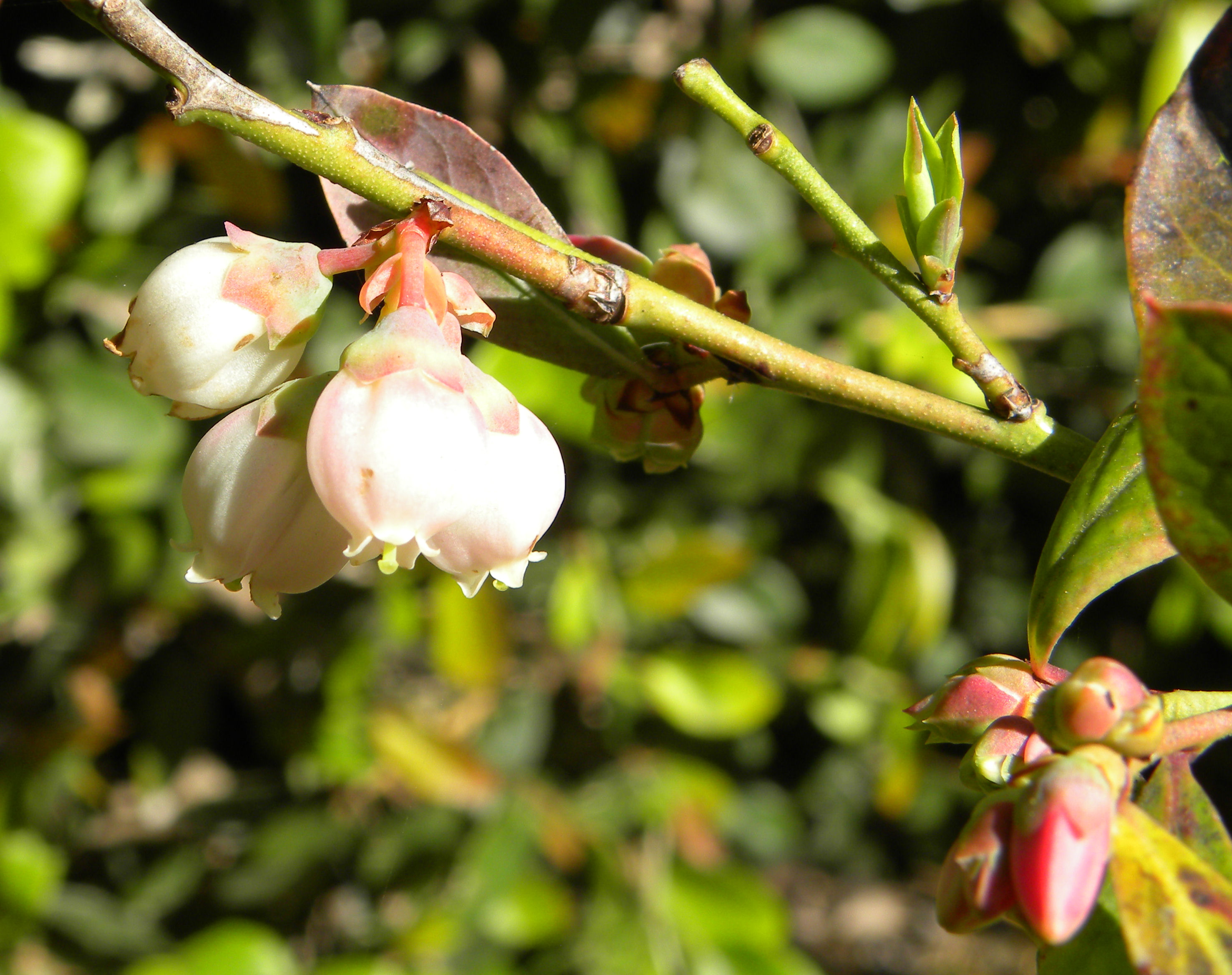
The first flowers just opened on the Sunshine Blue blueberries.

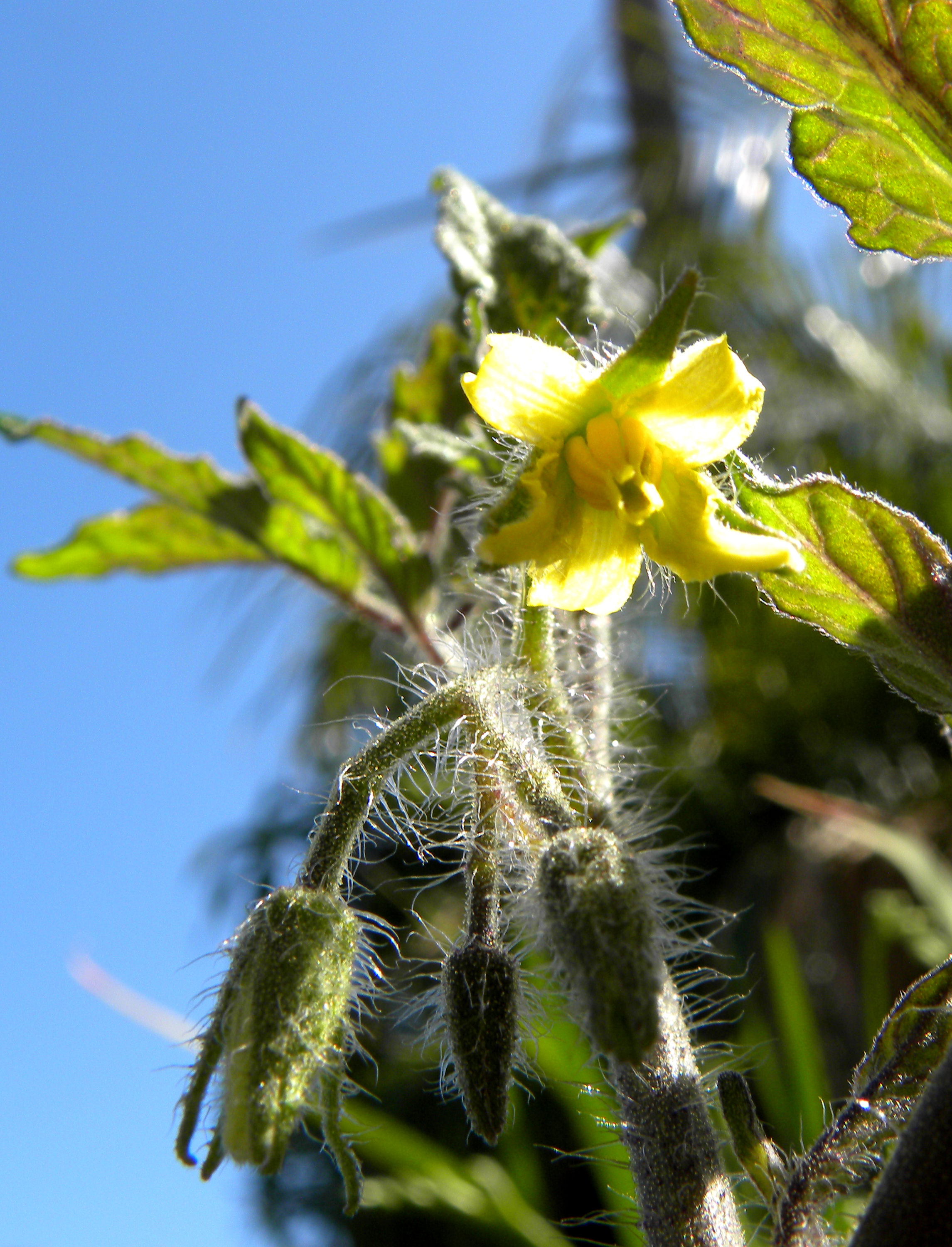
The first flowers have opened on my tomatoes. This one is an Early Girl.

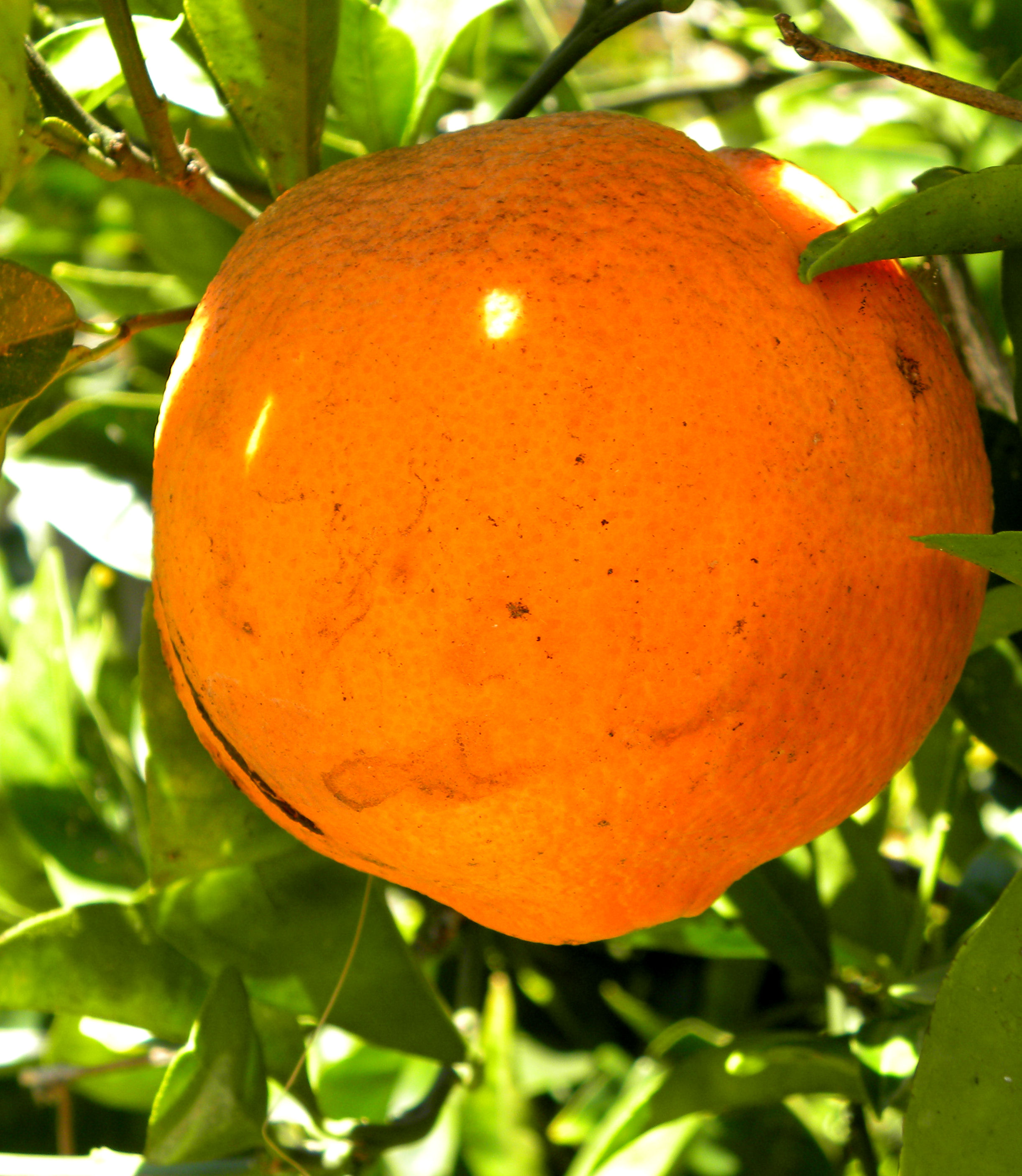
My citrus harvest is winding down. I have five navel oranges left, and three Valencia oranges (the entire crop from that new tree), which I won't harvest until the navels are gone.

My limes are long gone, but I still have a baker's dozen of ripe Meyer lemons, four ripe Eureka lemons, and more lemons coming along.

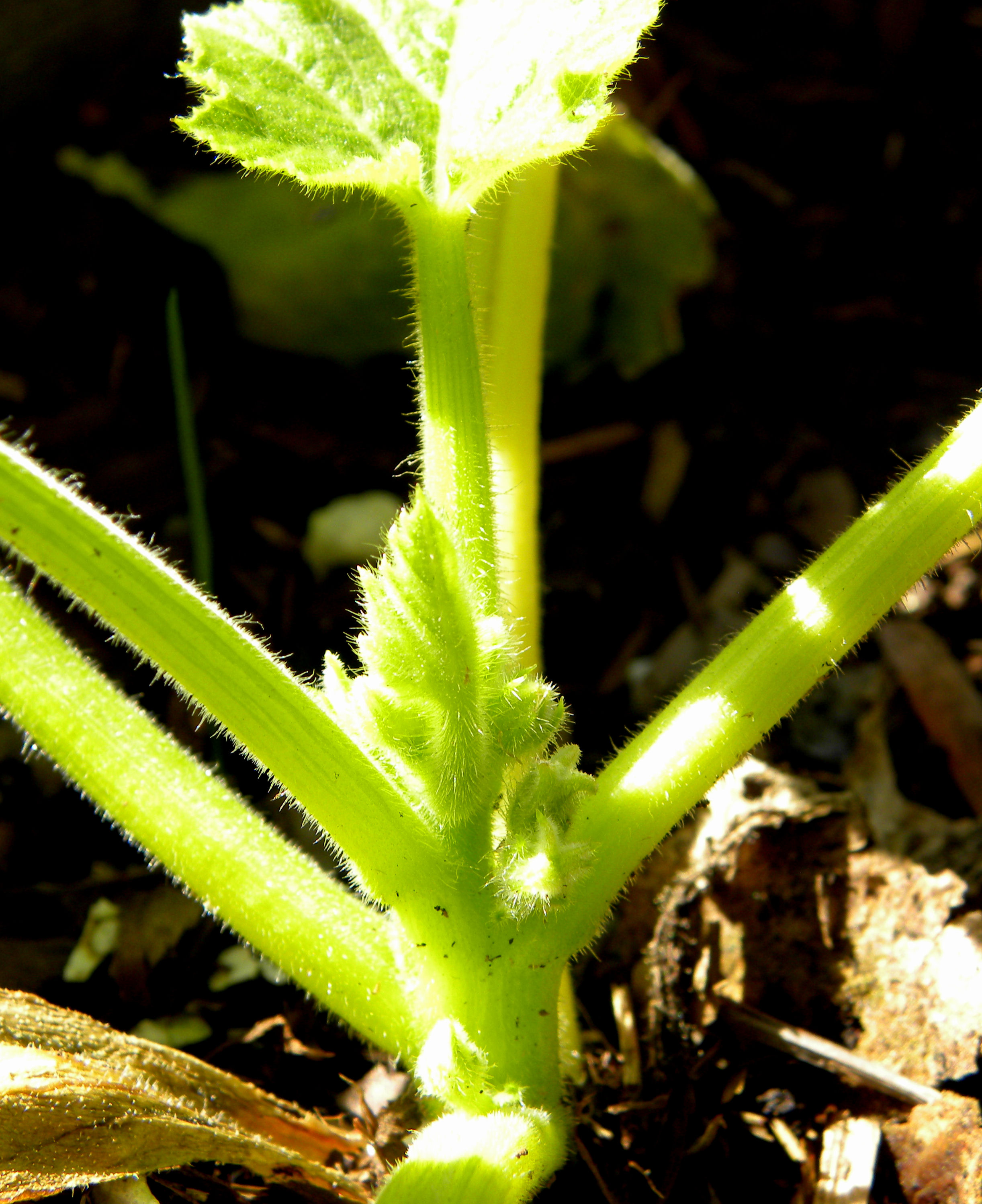
I'm experimenting with a January planted zucchini. The first tiny buds have just appeared. Remind me later in the season how excited I am by this.

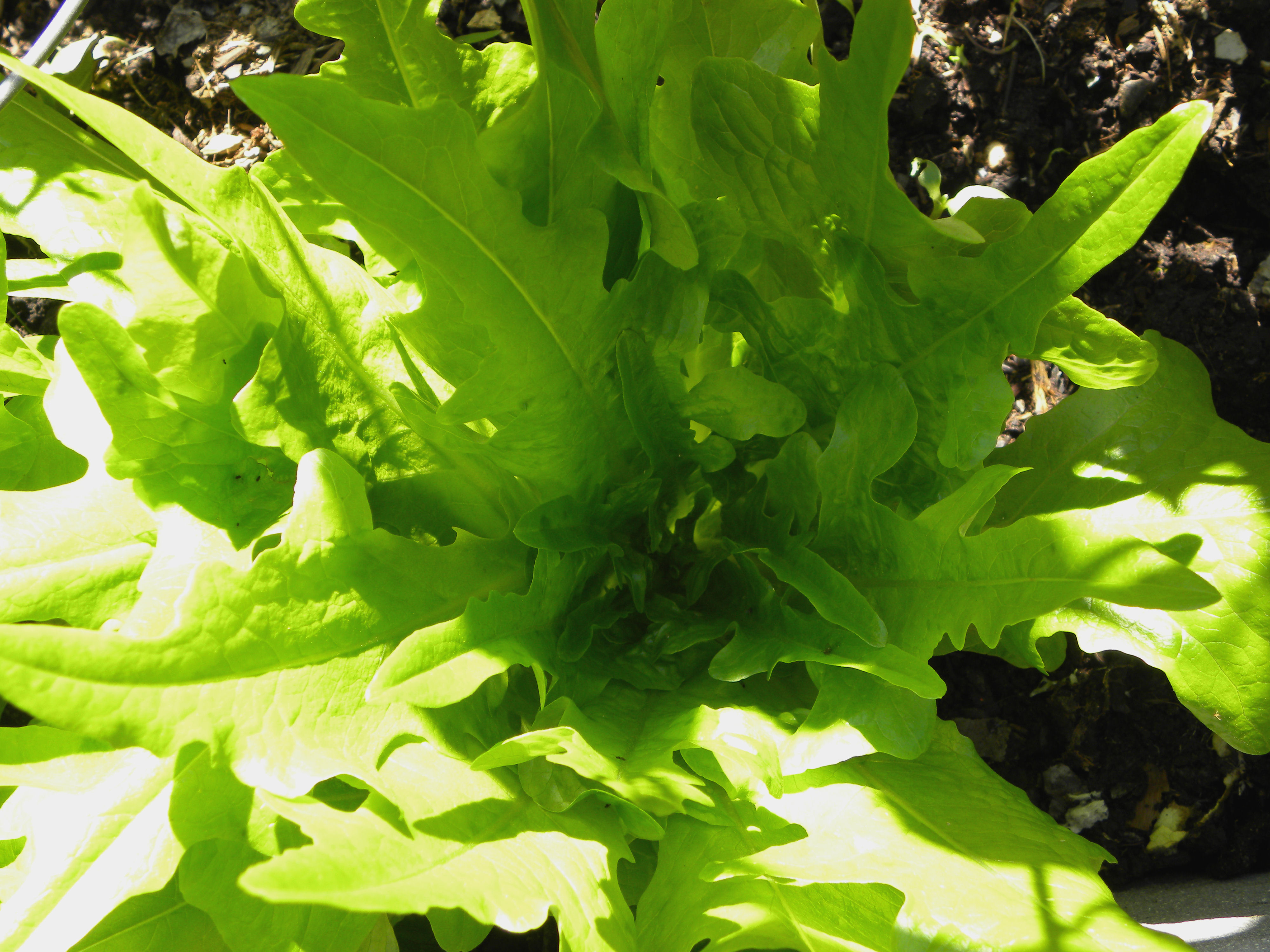
I am currently growing this Green Oakleaf lettuce, plus Red Saladbowl, Lollo Rossa, Red Sails, and Black-seeded Simpson, in addition to a tray of mesclun salad greens.

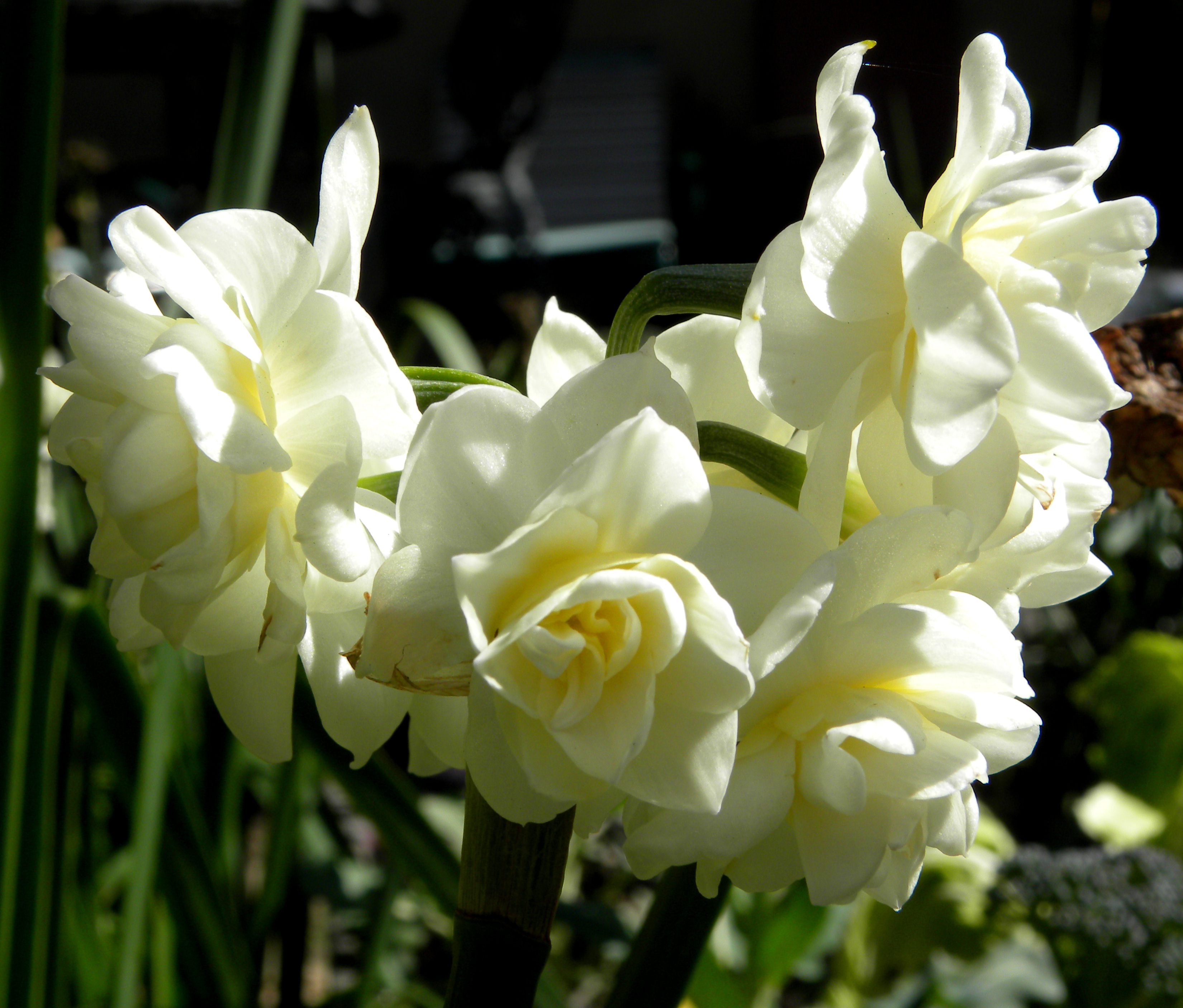
I planted these double paperwhites around my raised beds fairly late in the fall, so they're in prime bloom now.

I also grow nasturtiums and parsley around the raised beds. The nasturtiums are just beginning to bloom.

The mint never totally dies back in winter, but it's just now getting its spring growth spurt. I use it for tabbuli.

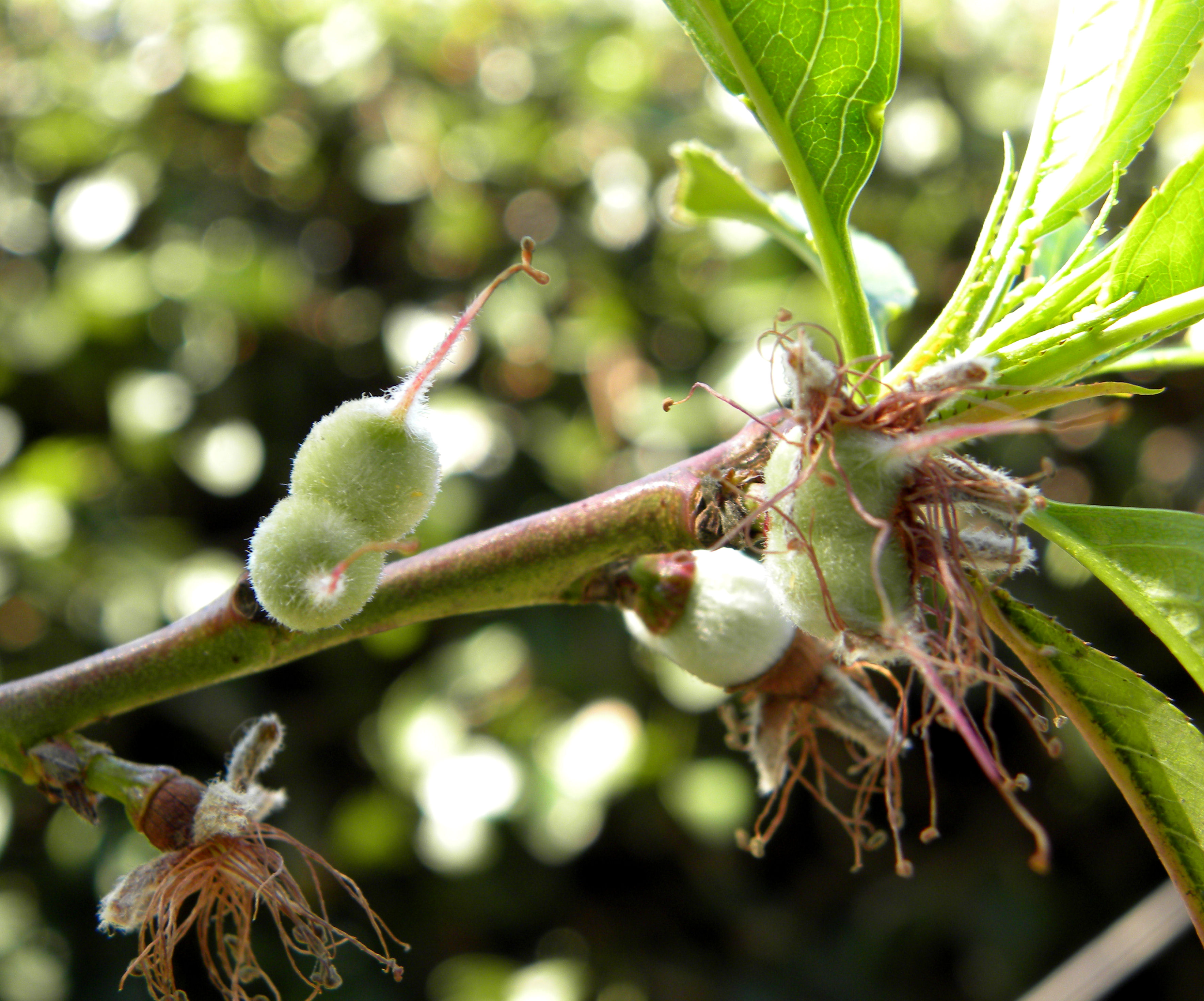
Those tiny fuzzy things are baby Florida Prince peaches.

Raised bed #3 has been in a state of suspended animation since I planted it last October. It's finally starting to grow now, with lettuce, spinach, radishes, cauliflower, red and yellow onions and Super Sugar Sprint peas.

My three raised beds give me a lot of pleasure as well as food. Bed #2 is featured in this photo, with chard, red and green savoy cabbage, leeks, lettuce, and garlic. Behind it is bed #1 with bell peppers, garlic, mizuna, lettuce, carrots, parnips, and chard.

The three apple trees and the plum don't show up well in this photo because they're still dormant, but you can see our coop where the three hens live.

Spring is such an exciting time in the garden. I hope you enjoyed your tour.

Posted in Uncategorized | Tagged , , , , , , , , , , , , , , , , , , | 9 Comments