Our Thanksgiving Dinner

Vic and I spent Thanksgiving with our son Scott and daughter-in-law Nicole and their three preschoolers. Nicole’s Mom was there as well, so we had a lovely Thanksgiving holiday.

Scott and Nicole made some awesome appetizers.

Proscuitto-wrapped, roasted asparagus was my favorite.

Our family tradition is to serve the turkey pre-carved and garnished with herbs. We don't carve it at the table.

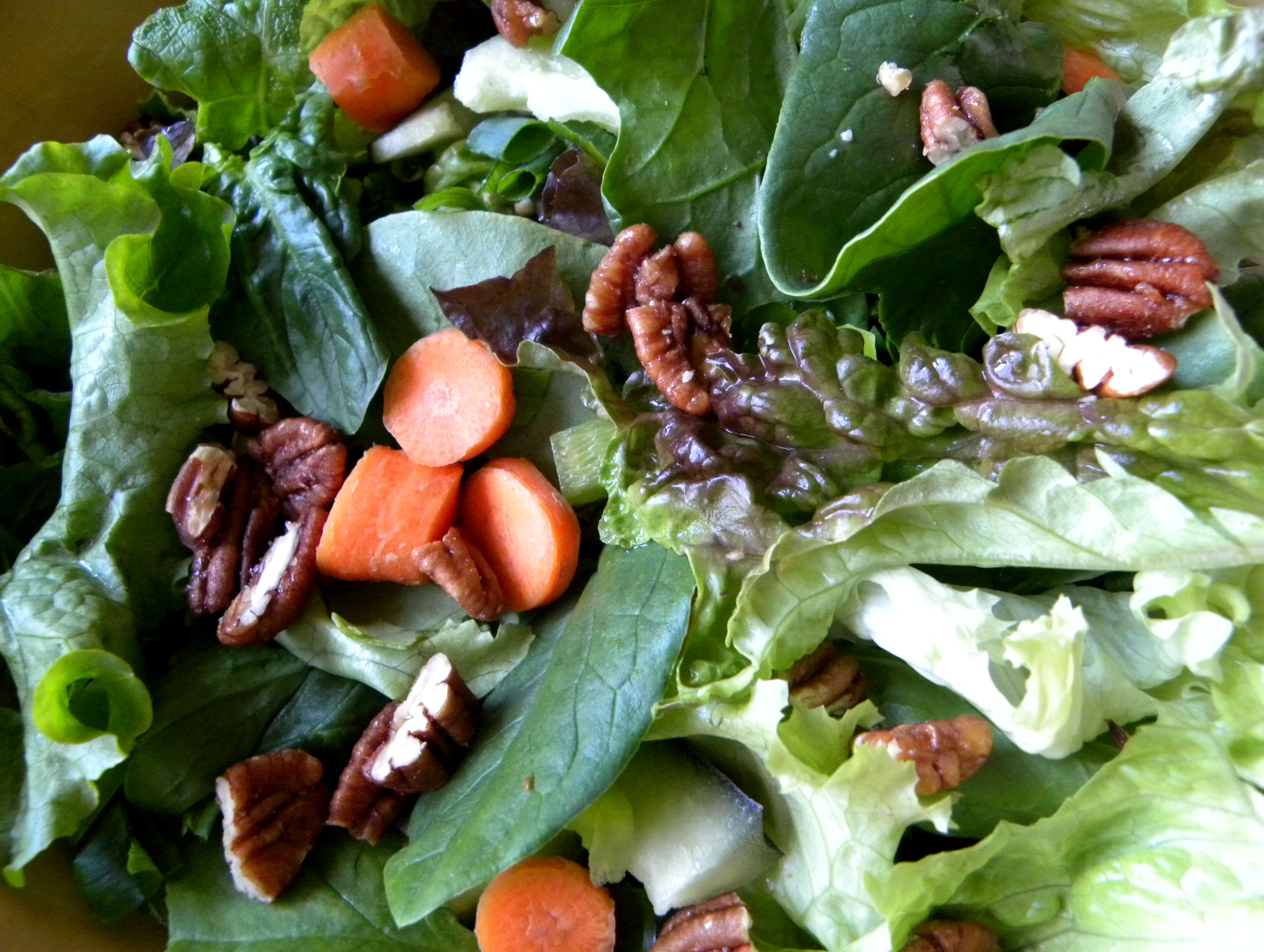
The only things from my garden this year were the bell peppers in the salad, and the apple pie for dessert.See a previous post for the recipe for the cranberry applesauce.

We also had a cornbread and sausage stuffing, green beans with shallots, maple-glazed carrots, rolls, and cranberry sauce in addition to my cranberry applesauce.

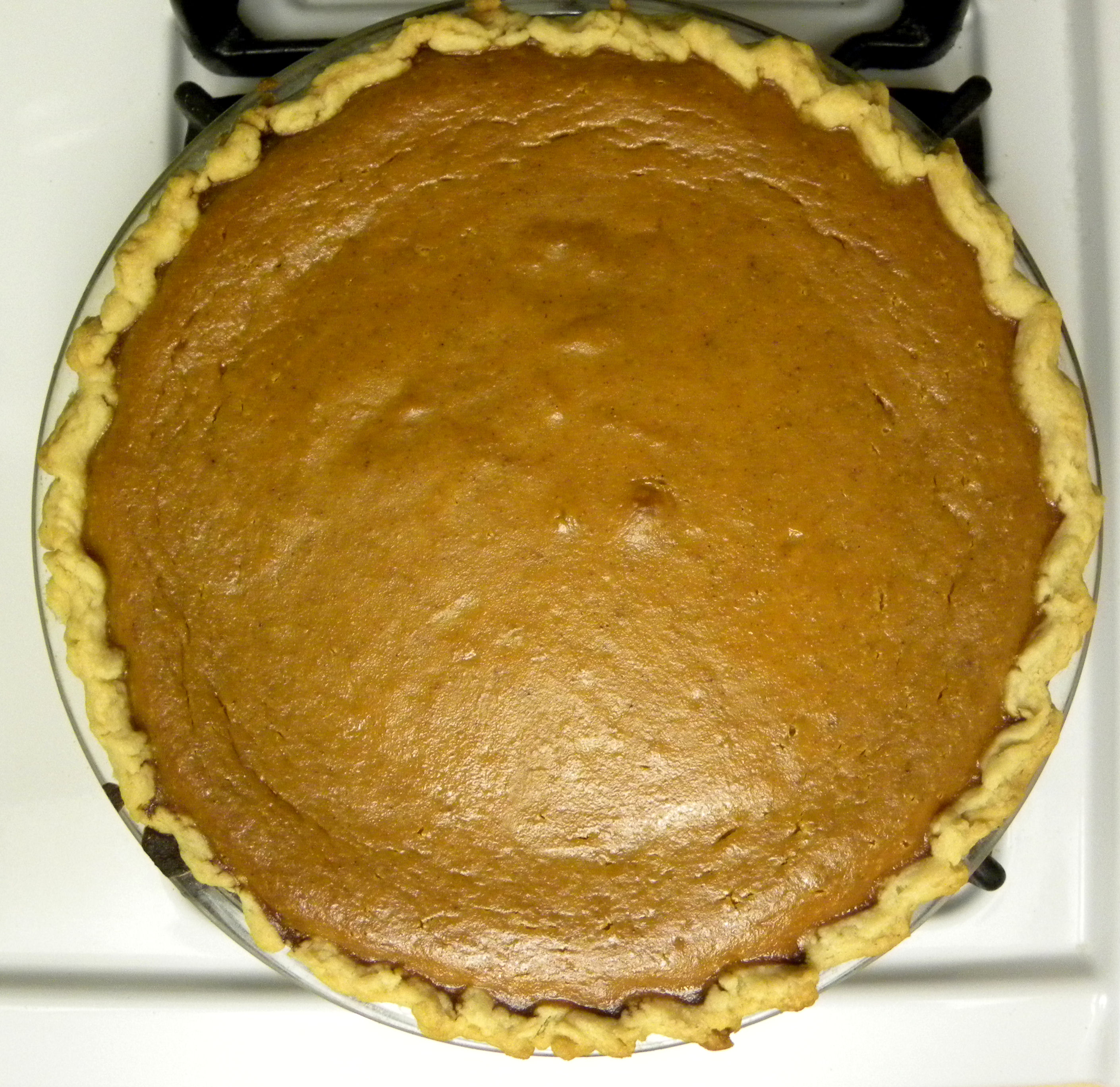
Nicole made a fabulous bourbon-caramel sauce and vanilla whipped cream to go with the homemade apple and pumpkin pies.

The next photo would have shown us all sleeping, if there had been anyone awake to snap the pic. What a fabulous meal. What a great family.

Posted in Uncategorized | Tagged | 8 Comments

Harvest Monday in southern California, Nov. 30

December is when our citrus begin to ripen. Here is a navel orange.

OK, technically, this is Wednesday Dec. 2, but I’m really running behind because of the Thanksgiving holiday and a particularly difficult column I was writing for the newspaper. My husband began the column (we co-write it), leaving it to me to do the research and interviews. That particular column took about three times longer than our normal columns. It will be out Dec. 3, and you can see it by clicking on the link at the bottom of this post.

The last Granny Smith apples from my tree for this year

On to Harvest Monday. Daphne at Daphne’s Dandelions has a Harvest Monday on her blog. If you harvested anything from your garden in the past week, go to her blog on Monday and post it through Mr. Linky. It can help bring others to your site as well. Daphne keeps careful records, weighing everything and noting the monetary value of her harvest. Her record-keeping skills are awesome.

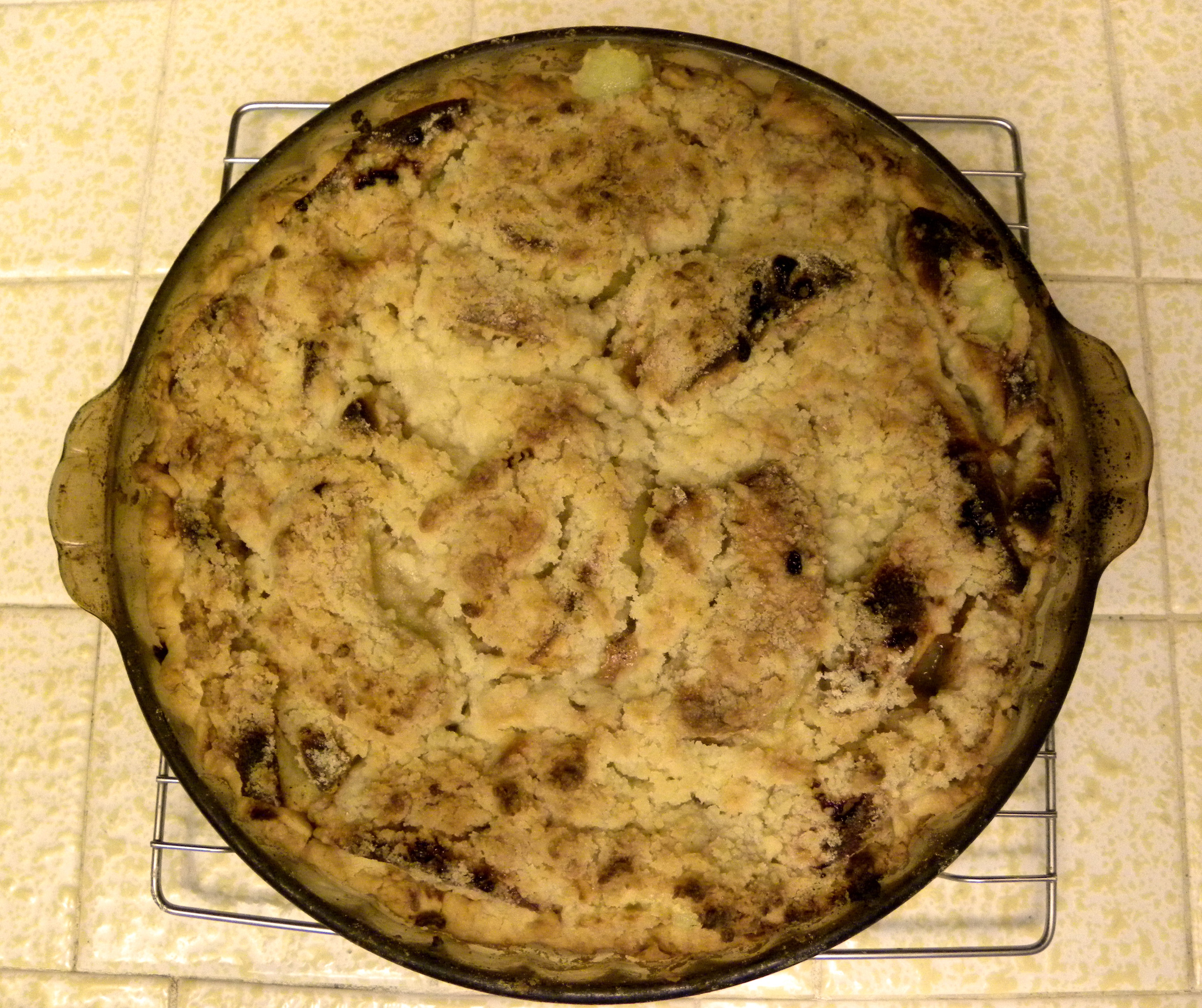
The apples went into a pie crust with sugar, cinnamon, nutmeg, mace and the juice of Meyer lemon

I’m doing good to even note that I picked something. I have a Kew Five-Year Garden Diary, and this is the first year that I’ve continued making entries beyond April. This year, I’m still keeping records–such as they are–in December. And thanks to this blog, I’m doing better at recording my harvests in photos as well.

Topped with a crumb topping, this was an awesome pie.

I could have harvested more from my garden last week, but there was a complication. In order to write about the topic in our newspaper columns, I signed up for a CSA box (community supported agriculture). I got my first box of produce last week, and it has filled my refrigerator. This means that I picked less from my own garden. Look at all that food! Turnips, beets, a butternut squash, sweet potatoes, two head of lettuce, green beans, carrots, apples and Fuji persimmons, all local and all organic.

All of this produce was in my CSA box. It filled my refrigerator!

 Here is my harvest from last week from my own garden, which included what I picked for Thanksgiving.

1 navel orange, the first of the crop

2 Meyer lemons, the first of the crop

6 Granny Smith apples, the last from the tree

3 bell peppers

3 green onions

chard

lettuce

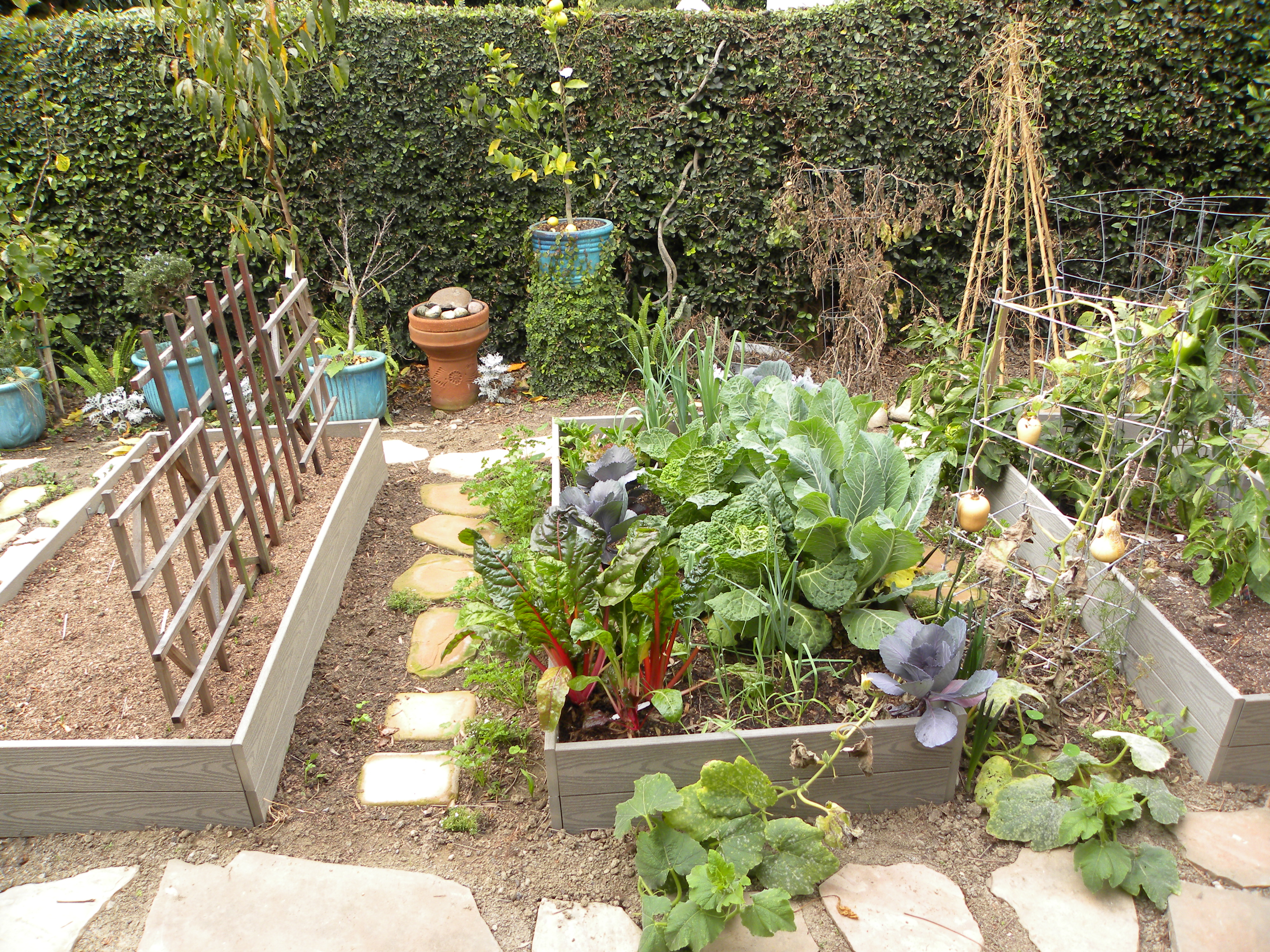
Only one out of three of my raised beds is in full production. The one on the left just got planted two weeks ago, and the one on the right still has bell peppers in it from summer.

Now that I’ve seen Daphne’s good records, I’m going to try even harder in 2010 to keep track of my harvest and expenses.

(To read more of Lou Murray’s environmental writing, see her weekly column, Natural Perspectives, in the Huntington Beach Independent at www.hbindependent.com/blogs_and_columns/)

Posted in Uncategorized | Tagged , , , , , , , , | 9 Comments

Cinnamon apples for Thanksgiving

Williams family holiday dinner 1952; I"m on the left next to my mother and baby brother.

My Grandmother Williams made cinnamon apples for Thanksgiving and Christmas, and served them chilled in syrup. The translucent cooked apples were sugary sweet, super cinnamony, and beautifully red.  They were a perfect foil to savory turkey, stuffing, and mashed potatoes, and I looked forward to them every holiday when I was growing up in Indiana. 

I’ve never seen them outside our family, and haven’t known anyone else to make them. Have you ever had them? There are a number of recipes for them on the internet, so someone must make them.

The recipe was simple. Peel and core a half-dozen whole cooking apples. Put them in a pan with an 8 oz. bag of cinnamon Redhots (made by the Ferrara Pan Company–may also be called cinnamon imperials by other companies) and enough water to cover the apples half way up. Simmer until done, turning the apples gently to coat and color both sides while they’re cooking. Chill the apples in the syrup and serve the next day.

MacIntosh apples

I haven’t made cinnamon apples for years because neither my husband or my son care for them. But I’m feeling nostagic this year and wanted to make them. At the grocery, I looked for cinnamon redhots and couldn’t find them. I was surprised. Redhots are an old candy that dates back to the 1930s. I wondered if the company had gone out of business.

A quick Google search turned up the company alive and functioning in Illinois. They still make redhots, but their store locator didn’t turn up any stores in Orange County, CA (where I live) that sell redhots. Maybe they are more of a Midwest thing.

I did find this fascinating video showing how the redhot candies are made. http://www.ferrarapan.com/html/rh_tour.html

The ingredients are simple enough–sugar, corn syrup, red food coloring, and probably cinnamon oil. No worries, I think I can recreate the cinnamon apples using sugar to make a simple syrup, plus cinnamon sticks and red food coloring.

I bought a half dozen MacIntosh apples and am going to give it a try. I’m assuming that either MacIntosh or Rome Beauty were the types of apples that my grandmother used, because those were the types of cooking apples available then.

There is a larger variety of apples to chose from at grocery stores today than when I was growing up, but they’re mainly for eating fresh. I learned the hard way to use only cooking apples for cooking. In my younger years, I foolishly tried cooking with Red Delicious apples, but they just fall apart and their flavor doesn’t hold up to cooking.

Granny Smiths would have been another good choice. I’m down to my last few Granny Smiths from our semi-dwarf tree in back, but they’re going into a crumb-topped apple pie that I’ll make later today. Most of my Thanksgiving cooking is going to get done tonight, as I’m leaving shortly for our Thanksgiving dinner for Corps Members at the Orange County Conservation Corps (www.hireyouth.org/).

I’ll update this post later to add photos and let you know how the cinnamon apples turned out. One thing is for sure. The house is going to smell great while those apples are cooking!

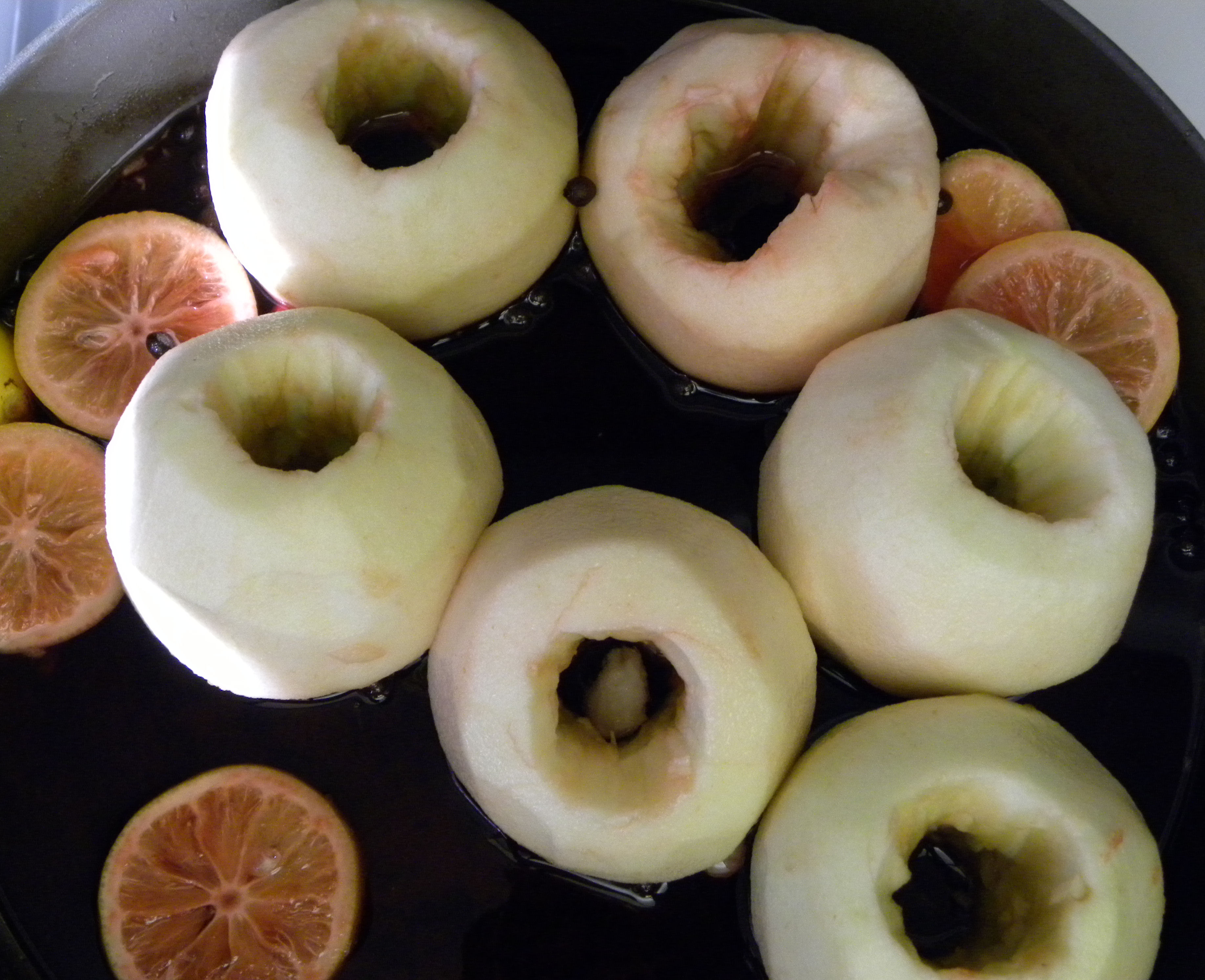
I made a syrup from 2C water, 3/4 C sugar, one sliced Meyer lemon, 1 stick cinnamon and 2 tsp whole allspice.

OK, here’s the scoop on my cinnamon apples. I peeled and cored the six apples while cooking 2 C of water and 3/4C sugar in a deep skillet. Woe is me, I had only one cinnamon stick in the pantry, so I put that into the skillet along with 2 tsp whole allspice. I think that box of allspice had belonged to my mother, so they’re probably as old as the La Brea tar pits. I tasted the syrup and it seemed to lack something (flavor?), so I picked a Meyer lemon from the backyard, the first of the season, sliced it, and added it to the syrup along with 12 drops of red food coloring. Then I added the apples and simmered them for about 15-20 minutes.

Apples are supposed to cook in the sugar syrup until tender--these turned to mush

Well, four out of six MacIntosh apples fell apart. Undaunted, I just mashed them all up with a spoon. I thought I’d make chunky, spicy applesauce instead. It tasted pretty good, but then I decided that the addition of a cup of cranberries would make it even better.

Cranberries need oranges, so I picked a navel orange from my backyard, again the first of the season, and grated the peel into the sauce. I just finished cooking the cranberry/applesauce and WOW. I’ll probably never be able to duplicate it, but I think I have a hit.

Add grated orange peel and cook the cranberries, apples, and syrup together after removing the spices and lemon.

Here are the ingredients. While the content of this blog is copyrighted, feel free to copy this recipe for personal use.

Holiday Spiced Cranberry/applesauce

6 cooking apples, peeled and cored

1 stick cinnamon

2 tsp whole allspice

2 C water

3/4 C sugar

1 Meyer lemon, sliced

12 drops red food coloring (optional)

1 C whole cranberries

grated peel of one orange

Put the spices and lemon into a cheesecloth bag to make removal easier (sure wish I’d thought of that BEFORE I started). Cook until the fruit sauce is thick, remove cheesecloth bag, and pour into a hot canning jar. Let stand until it reaches room temperature, then chill overnight. Serve with turkey or pork roast. Makes 5 cups.

Finished cranberry applesauce

Process this in a water bath if you want to store a batch on the shelf, but we’ll be eating all of ours tomorrow.

Posted in Uncategorized | Tagged , , , , , , , , , , , , , , | 7 Comments

She who dies with the most seeds wins

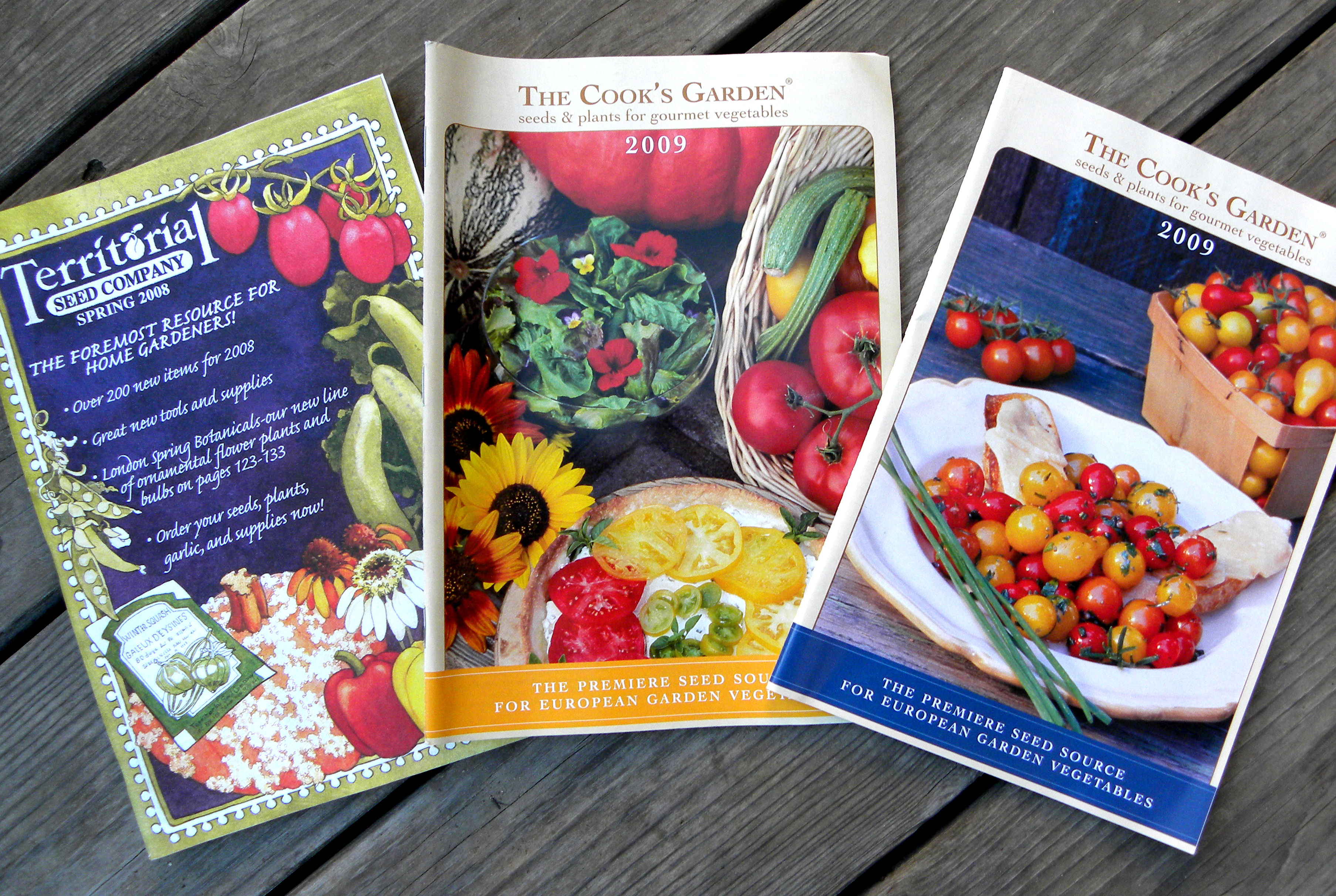
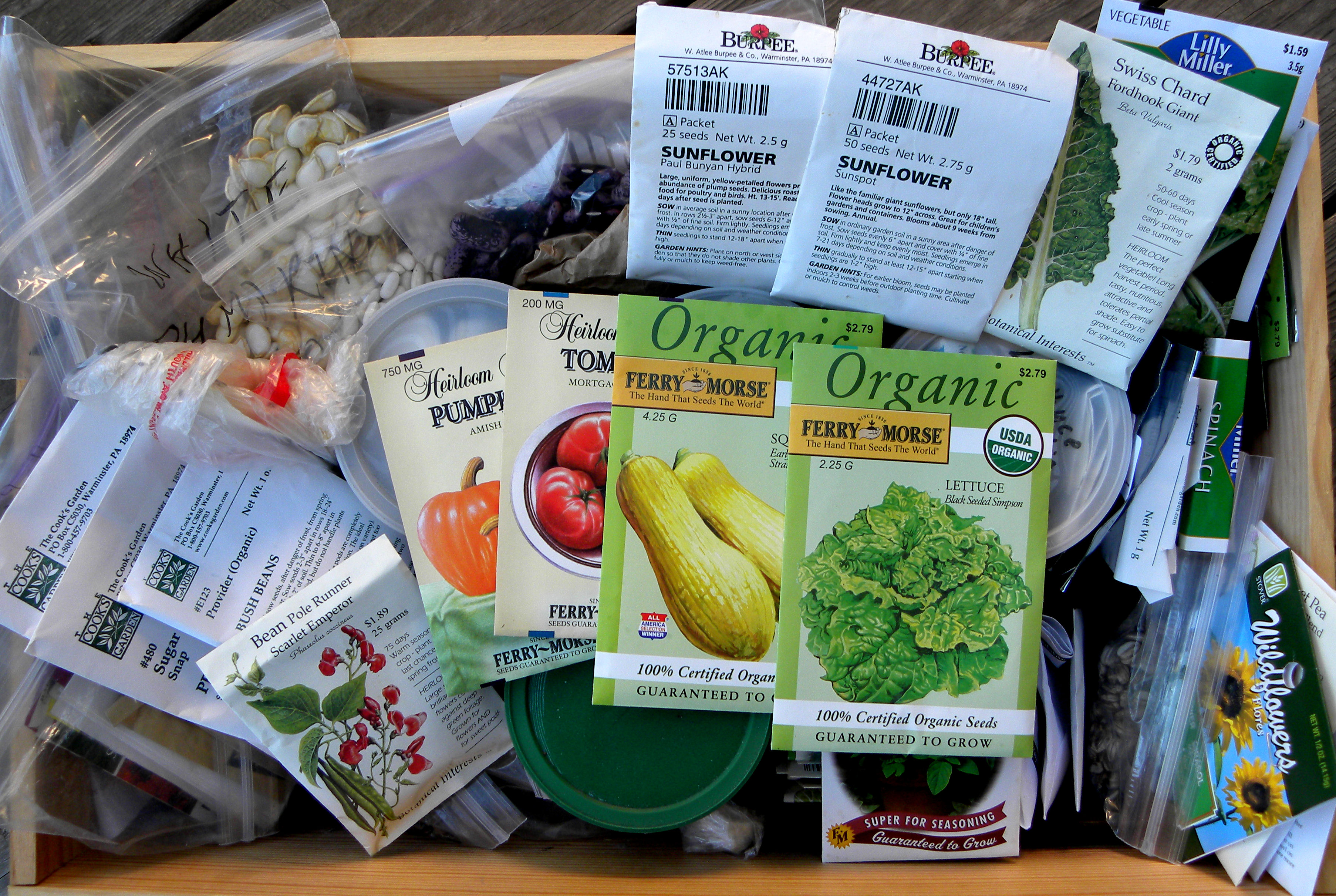
Seed catalogs for 2010 start arriving in November

A recent blog post from Dee at Red Dirt Ramblings has reminded me that gardeners tend to be seed, bulb and plant hoarders. We buy more than we need. Well, who can say, really, what someone needs? What is a need? Maybe we need them for mysterious psychological reasons rather than for planting purposes.

Park and Burpee are major seed companies that offer many new hybrids each year

I think seed, bulb and plant hoarding comes from our Pleistocene roots. Ten thousand years ago, all humans were hunter/gatherers and had been for millenia before then. Having a full larder meant that we would eat over the winter. I think shopping for seeds, bulbs and plants somehow addresses that old genetic drive to collect and store food.

Cook's Garden and Territorial Seed Company are two of my favorites

Right now, my potting bench is full of 6-packs that I haven’t planted yet. I have two blueberry bushes in the yard still in their nursery pots. They’re going into their third spring at my house and they’re still not planted. And yet I will continue to buy more plants at the nursery.

Paperwhite narcissus bulbs await planting

I’ve practically filled my backyard with iris and narcissus bulbs in the past few weeks. I know that they will multiply and in a few years I’ll have more than I have room for. And yet I bought a couple more iris rhizomes the last time I was at Home Depot because they were cheaper than at Lowes. I have no idea where I’m going to put them.

Today Sylvana at Obsessive Gardener blogged about her uninventoried seed collection. When she did take stock, she discovered that she had seven packets of chives. And needed none since they’re perennial in her area (Wisconsin).

At least my seed packets are in one place. But organization? It crumbled long ago.

Oh, I’m guilty of seed-hoarding too. Big time. I save seeds from my heirloom vegetables. And I love to buy seeds. Can’t resist seeds. It’s those darn seed catalogs. They come in the dead of winter when most gardens and gardeners are dormant. We envision spring. We can picture how pretty those plants will look or how delicious those vegetables will taste. We’re seduced by the strange and exotic, and are just dying to try a new variety. And so we buy those pumpkin or corn seeds, knowing that we don’t really have room to grow them or that they generally don’t do well in our garden.

Crazy paperwhites blooming in our yard in November, one more sign of global weirding

Hope springs eternal in the breast of a gardener, especially in the dying days of autumn, and the cold dead of winter. And so it should. Give in to the urge. Buy more crocus bulbs. Place that seed catalog order. Damn the inventory.

(To read more of Lou Murray’s environmental writing, see her weekly column, Natural Perspectives, in the Huntington Beach Independent at www.hbindependent.com/blogs_and_columns/)

Posted in Uncategorized | Tagged , , , , , , , , , , | 15 Comments

The Honest Scrap Award

My blog earned its first (and I hope not last) award, the Honest Scrap Award, given to me by Daphne’s Dandelions at http://daphnesdandelions.blogspot.com.

 Woohoo! I won, I won. There. That fulfills the first requirment, bragging about the award. How embarassing.

The Honest Scrap Award comes with five requirements. I must:
1. Brag about the award (did that).
2. Include the name of the blogger who bestowed the award on me and link back to the blogger (did that).
3. Choose a minimum of seven (7) blogs that I find brilliant in content or design.
4. Show their names and links and leave a comment informing them that they were prized with Honest Weblog.
5. List at least ten (10) honest things about myself.

Some of these requirements are probably beyond this newbie awardee, but I’ll do my best. Here is a link to Daphne’s Dandelions, a wonderful vegetable gardening blog from Massachusetts with meticulous record keeping. I’m learning a lot about both blogging and gardening from visiting her site. Thanks for the award, Daphne. http://daphnesdandelions.blogspot.com

The third is going to be harder, not because I can’t find seven worthy blogs, but because most of the blogs I visit have already received the Honest Scrap Award. Well, what the heck, they can get the award again.

Gentlemen, the envelope please. Here are my seven picks:

Thomas’ A Growing Tradition for its fabulous photography, writing, and content. http://www.agrowingtradition.com/

Vrtlarica’s Moj Vrt for showing us her interesting garden in Croatia, and for her effort at traveling 50 kilometers every time she wants to tend her garden.  http://vrtlarica.blogspot.com/

Barbara’s Gardening in Mannheim Germany for her allotment garden, and for being the first person to comment on my blog (and I see that she just bestowed the Honest Scrap Award on me today–funny. Thanks, Barbara.  http://www.gardeningingermany.blogspot.com/

Anna’s Flower Garden Girl blog from North Carolina. It was talking to Anna at the Garden Writers Association conference in Raleigh last September that got me started in blogging. Anna’s blog is full of videos and humor, as well as lovely photos and great tips, and just passed 200,000 hits. http://flowergardengirl.wordpress.com/

Gavin’s The Greening of Gavin for showing us in words and photos how he is changing to a more environmentally friendly lifestyle in Australia at http://www.greeningofgavin.com/

Heather’s Idaho Small Goat Garden for her posts on chickens, among other things. http://smallgoatgarden.blogspot.com/

Dan’s Urban Veggie Garden in Ontario because he’s the youngest blogger I follow and because his blog is so beautiful with photos of veggies AND cooking.  http://veggiegardenblog.blogspot.com/

Now for the really hard part, ten honest things about myself that I’m willing to post for all eternity in cyberspace for the world to see.

1. In my parttime day job, I teach conservation awareness at the Orange County Conservation Corps to Hispanic gang members. My homies are mainly male Hispanics ages 18-21, many are gang members, and most are on probation for felonies. Sounds scary, but these are some of the best kids I’ve ever worked with. They’re at a stage in their life where they are turning their lives around. I’ve seen hundreds of them go on to happy, productive, honest lives. It is very rewarding to be there as they change themselves, and to play even the tiniest role in the process.

2. Due to California state budget cuts (this economy really is in the toilet), I’ve been cut way back at work at the Corps and haven’t worked there since September. (I still have my newspaper column, but that doesn’t pay quite enough to buy a week’s groceries.)  I’m not laid off, but my work hours and pay have taken a drastic hit. This is what has given me time to do the backyard makeover and begin blogging.

3. I love to cook.

4. I hate to do dishes. Indeed, I hate all housework and seldom do it. If Vic doesn’t do it (thank God he does kitchen cleanup), it doesn’t get done. My carpet looks similar to my compost bin.

5. I have hair that is really thick and long. I cut it every so often and donate it to Locks of Love, a non-profit that makes wigs for children with cancer or alopecia.

6. I’m concerned about global warming. I think it is the biggest threat facing mankind and that within decades we’ll be seeing crop failures all over the world because of our new spastic climate.

7. I’m concerned about overfishing of the oceans. I follow the Monterey Bay Aquarium Seafood Watch List and avoid eating fish that are not being sustainably fished, or that may have high levels of toxins.

8. I believe in ethical treatment of animals, but I’m not an animal rights activist. I eat many vegetarian meals, but enjoy meat too much to give it up. I’ve bought meat directly from farmers, but it’s more expensive. In these tough economic times, I won’t pass up a mass market 35 cent/lb turkey.

9. I wonder how many more gardening years I have left. I’m two months shy of 67, so I hope to garden for at least another 10-15 years, and I hope to not outlive those gardening years. I’m pretty sure that ten years from now I won’t have the ability to do a makeover like what I’m doing now, laying pavers and planting bulbs while down on my old arthritic knees.

10. This one is the hardest. It’s the reason why I’m redoing the backyard and trying to make 2010 our best, prettiest and most productive garden ever. Our older son (of two children, both boys) died on December 4 in 2005, just three months after my mother died. I was still in shock and grief over the loss of my 94-year-old mother, when Bob took his own life on a Saturday morning. He was 43. I felt like I had been kicked in the stomach when Vic told me. All the air went out of me and I felt diminished. Crushed.

It has taken me many, many months to climb back up into the light. But Vic and I went to grief therapy with a really good counselor, and I learned to focus on positive things. I kept a daily diary in which I wrote down only the good things that had happened that day, or the good things that I did for other people. It took only six weeks of this process to reprogram my brain. I became a much happier person. I still miss my son, but life has become good again.

And so, upon the inspiration of my gardening friend Norma in Boulder, Colorado, I decided to dedicate my garden to Bob. I want to make it beautiful and productive to honor his memory. And every rock that turns up in the soil, I view as one that he put there to remind me of him. I view it as his way of saying “Hi, I love you,” to me. I miss his phone calls. I miss hearing his voice. I miss my handsome, red-headed boy. This helps me cope.

And that, my friends, is as honest as I can get. May the peace and beauty of gardening be with you always.

(To read more of Lou Murray’s environmental writing, see her weekly column, Natural Perspectives, in the Huntington Beach Independent at www.hbindependent.com/blogs_and_columns/)

Posted in Uncategorized | Tagged , , , , , | 12 Comments

Don’t plant daffodils with onions

Double paperwhites in January

Is there anything as cheerful as a daffodil in spring? As the weather turns cold and blustery, I’m on my knees looking forward to spring as I plant daffodils and narcissus in our backyard.

paperwhite narcissus bulbs

Vic and I began our backyard makeover in earnest last January when we had a misshapen magnolia dug out. That was the last of the original trees in our backyard planted by the original homeowner over 30 years ago. All but the magnolia had become diseased and were long gone. While the magnolia had pretty blooms, it constantly dropped big leaves that were hard to compost, and it interfered with our plan of converting the backyard to food production. My citrus trees were too shaded to produce fruit and growing veggies in the shade of the magnolia was difficult as well. So out it went.

All that was left of the backyard magnolia after our tree guy left was this stump, which our gardeners dug out.

In place of the magnolia tree and an oblong herb garden, I installed three raised beds for veggies and reduced the size of the herb garden to a small circle. I’ve finished resetting the pavers and am now planting both single and double paperwhites from bulbs I salvaged, as well as some new Geranium Daffodils and Tahiti Daffodils.

Package photo of Geranium Daffodils

Package photo of Tahiti Daffodils

In reading about narcissus and daffodils, I learned that narcissus is an older word that is being supplanted by daffodil for the common name. But the Latin genus name remains Narcissus, so I figure we can call them by either name.

I also learned that daffodil bulbs contain calcium oxalate, a poison that is found in the sap of daffodil leaves and that can cause skin rashes. What is it with plants and oxalates, anyway? Seems that everything I’ve written about lately has oxalic acid in it (rhubarb, sorrel, and even a tad in chard).

Apparently some people have confused daffodil bulbs with onions and eaten them by mistake. Not a good idea. Narcissus/daffodil bulbs also contain lycorine, a poison. Don’t confuse lycorine (poison) with lycopene (a good compound found in tomatoes that may help prevent macular degeneration, a cause of blindness). Lycorine is a toxic alkaloid that is found in narcissus bulbs as well as the bush lily (Clivia miniata).

It’s hard to believe that anything that pretty can be so hazardous. I’m planting the narcissus bulbs where I’m not likely to confuse them with food, and plan to just enjoy their beauty next spring. With roses, irises, Nemesia, nasturtiums, and allysum blooming under our fruit trees (peaches, nectarines, apricot, plum, apples, and citrus), I’m looking forward to a spectacular spring in our backyard.

For more information on planting and care of narcissus and daffodils, see http://www.hort.purdue.edu/ext/HO-11.pdf/.

(To read more of Lou Murray’s environmental writing, see her weekly column, Natural Perspectives, in the Huntington Beach Independent at www.hbindependent.com/blogs_and_columns/)

Posted in Uncategorized | Tagged , , , , , , , | 8 Comments

French sorrel in tomato bisque

I grow French sorrel in my herb garden.

I love being able to go out into my herb garden to get fresh seasonings. Most of my herbs are perennials, like the sorrel (Rumex scutatus) pictured above, and the chives and thyme growing next to it. I also have sage, rosemary, oregano, and marjoram growing in various places in the yard. Some of the herbs live in my herb garden, while others are planted in the flower borders. Herbs are a terrific addition to a landscape as well as to meals.

I also grow annual herbs such as parsley, cilantro and basil, all of which self-seed and come up the next year. Well, not so much the basil. I can kill that one off pretty easily by neglecting to water it often enough.

French sorrel growing with thyme and chives.

French sorrel is an herb that few people in the U.S. seem to grow. That’s a shame, because sorrel is great in soups and bisques, adding a nice lemony flavor. That lemony tang comes from oxalic acid, so I never put too much of it in soups. I’m also careful to use non-reactive cookware (non-stick pots and wooden spoons, no aluminum or iron cookware) when cooking with it.

French sorrel is native to moutainous regions of southern and Central Europe, and Asia, and has been a part of French cooking for as long as records have been kept there. 

I have one clump of sorrel in my herb garden, and it grows just about as fast as we want to eat it. I decided to make a nice tomato-sorrel bisque today. Sometimes I make my tomato bisque from scratch. Alas, I had no ripe tomatoes in my late November garden, so I resorted to canned soup.

Sorrel and thyme from my herb garden improved a canned soup.
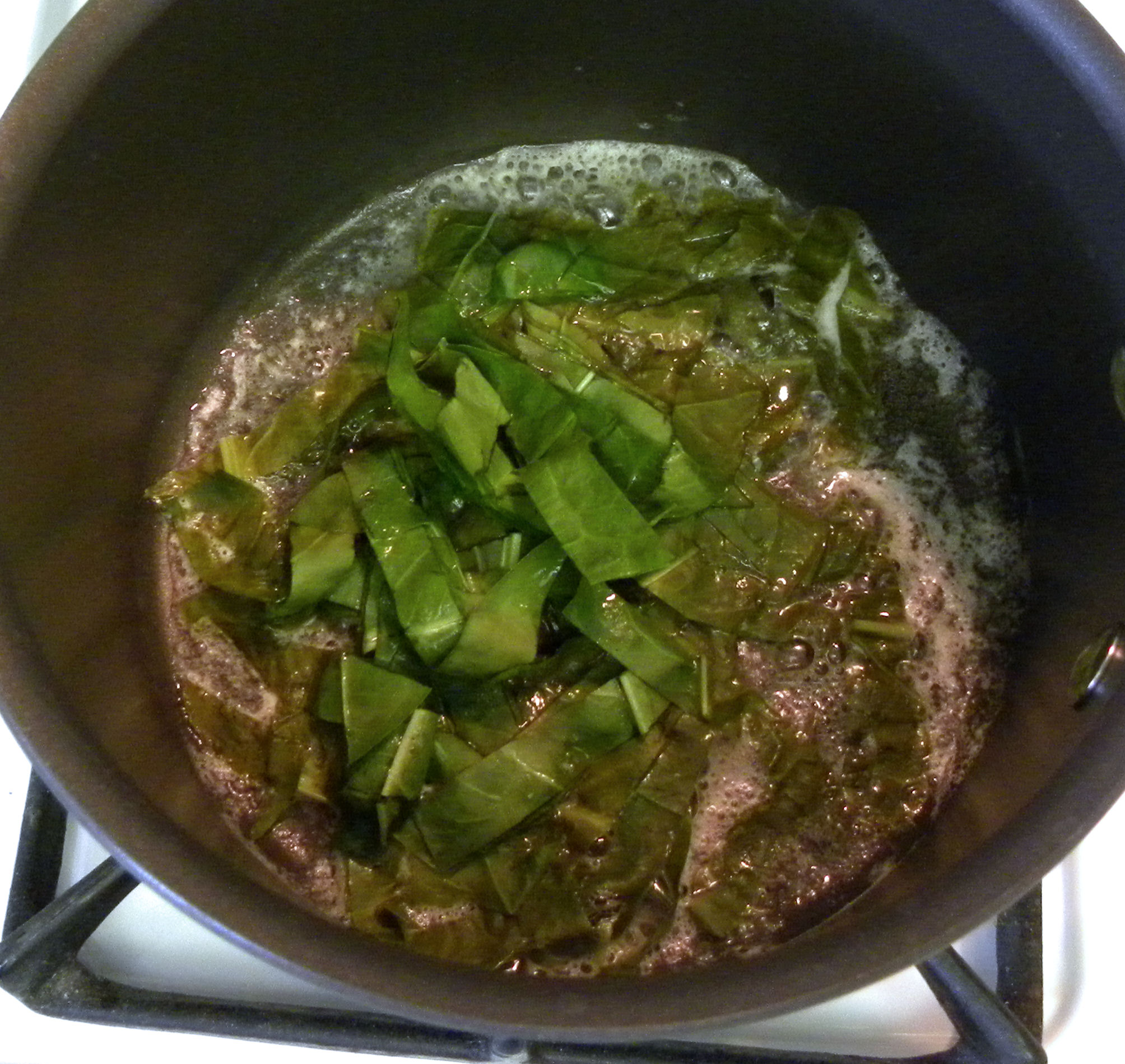
  I sliced a half-dozen sorrel leaves and sauteed them in butter until they were wilted. The nice green leaves turn into a nasty-looking brown mush at this step. Maybe that’s why more people don’t eat sorrel. But looks aren’t everything. 

Saute sorrel in butter or olive oil until wilted.

I added the can of condensed tomato soup, a can of milk and a couple of sprigs of fresh thyme. I simmered it for several minutes, then removed the thyme and served. Homemade rosemary bread would have been a great accompaniment to the soup, but I spent the day in the garden laying more paving stones and had no time to bake bread. I had rosemary Triscuits with my soup instead.

Tomato bisque with sorrel and thyme.

 The other way that I use sorrel is in potato soup. It adds a nice tangy flavor to an otherwise bland soup. Some people add baby sorrel leaves to salads, but because of the oxalic acid content, I prefer to cook it and add milk to buffer the acid. (Uh, oh, the biochemist in me is coming out there.) The French use sorrel in other ways, notably in a sorrel sauce for salmon or with veal.

For more recipes using sorrel, see http://annlovejoy.org/2009/05/20/french-sorrel-recipes-from-the-green-kitchen/.

So the next time you see a pot of sorrel offered at the nursery, snap it up. You also can grow sorrel pretty easily from seed, but probably won’t want more than one or two plants.

(To read more of Lou Murray’s environmental writing, see her weekly column, Natural Perspectives, in the Huntington Beach Independent at www.hbindependent.com/blogs_and_columns/)
Posted in Uncategorized | Tagged , , , , , , | 3 Comments

Best of Monterey in photographs

My local camera club, Photographic Society of Orange County, took a trip to Monterey California last month. At the club meeting, we can show only four photos from our field trip. Wow. I took over 600 pics and narrowed that down to the best 90. Four was too few. So I’m sharing the best of the best with you here.

Abstract of Fisherman's Wharf buildings reflected in water.

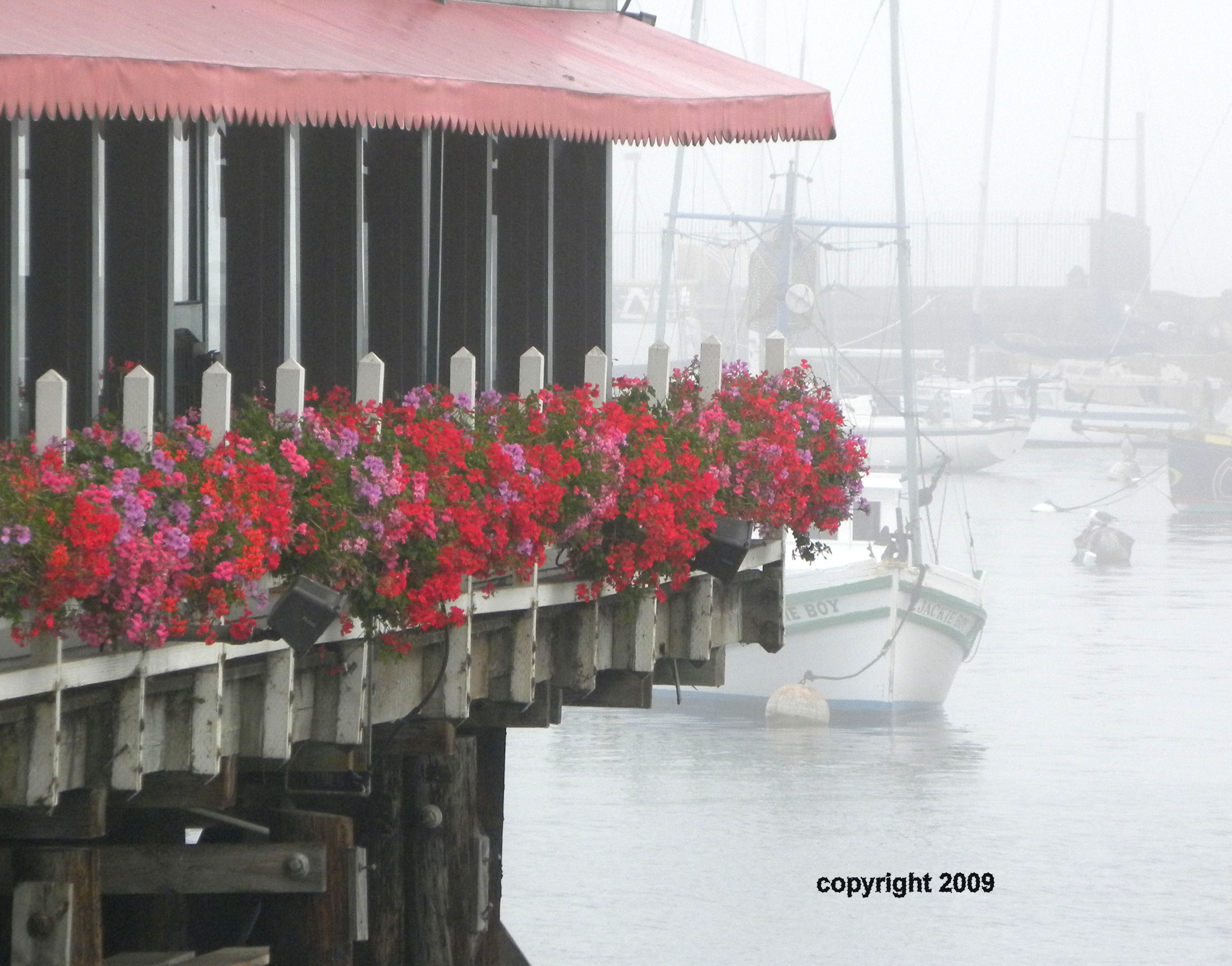
Boats on a foggy morning at Fisherman's Wharf

Geraniums in the fog at Fisherman's Wharf

Children playing in front of a candy store at Fisherman's Wharf

Statue honoring fishermen at Fisherman's Wharf

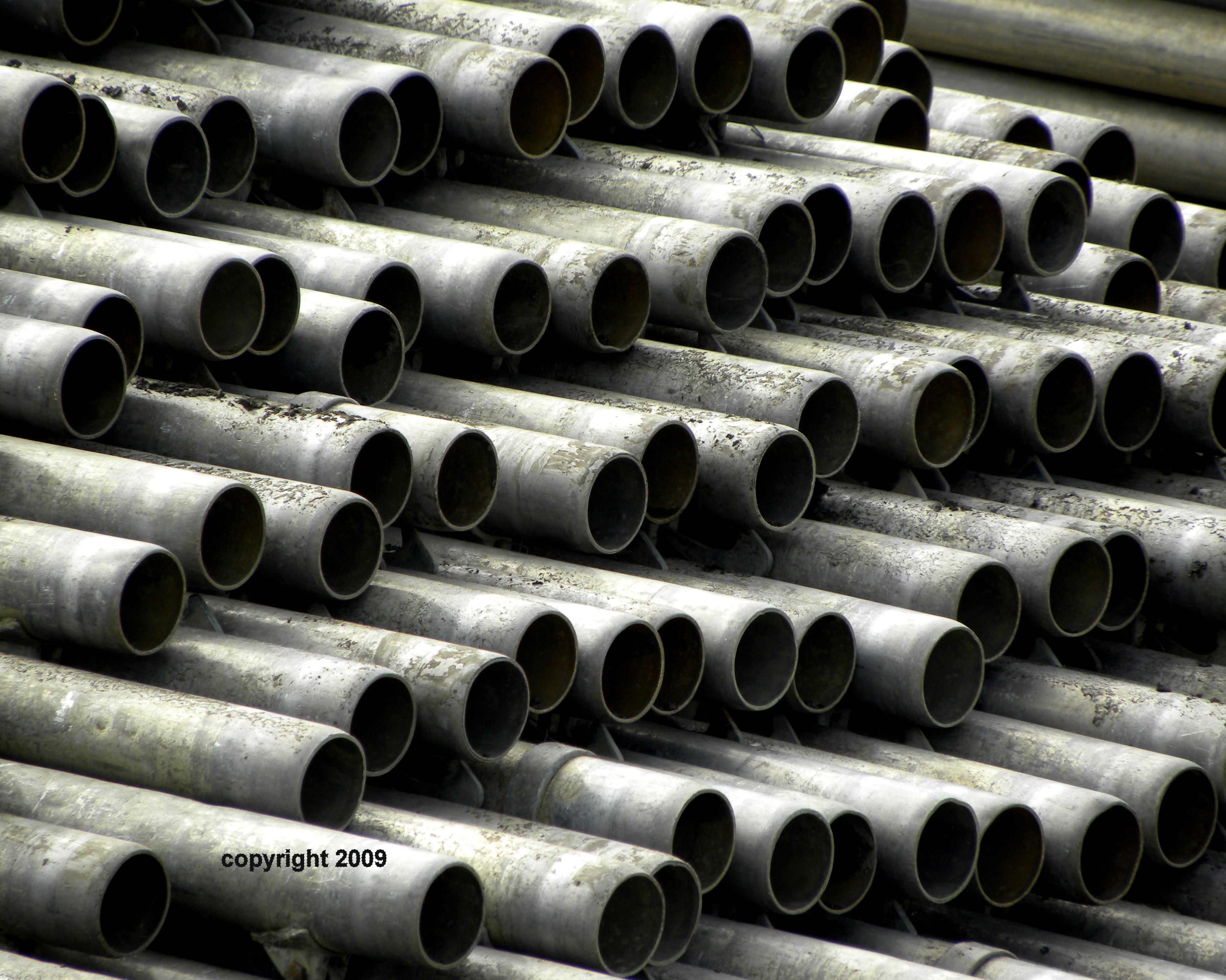
Loved the colors, shapes and textures. It might be a flag holder. Doesn't matter

Irrigation pipes stacked in a field.

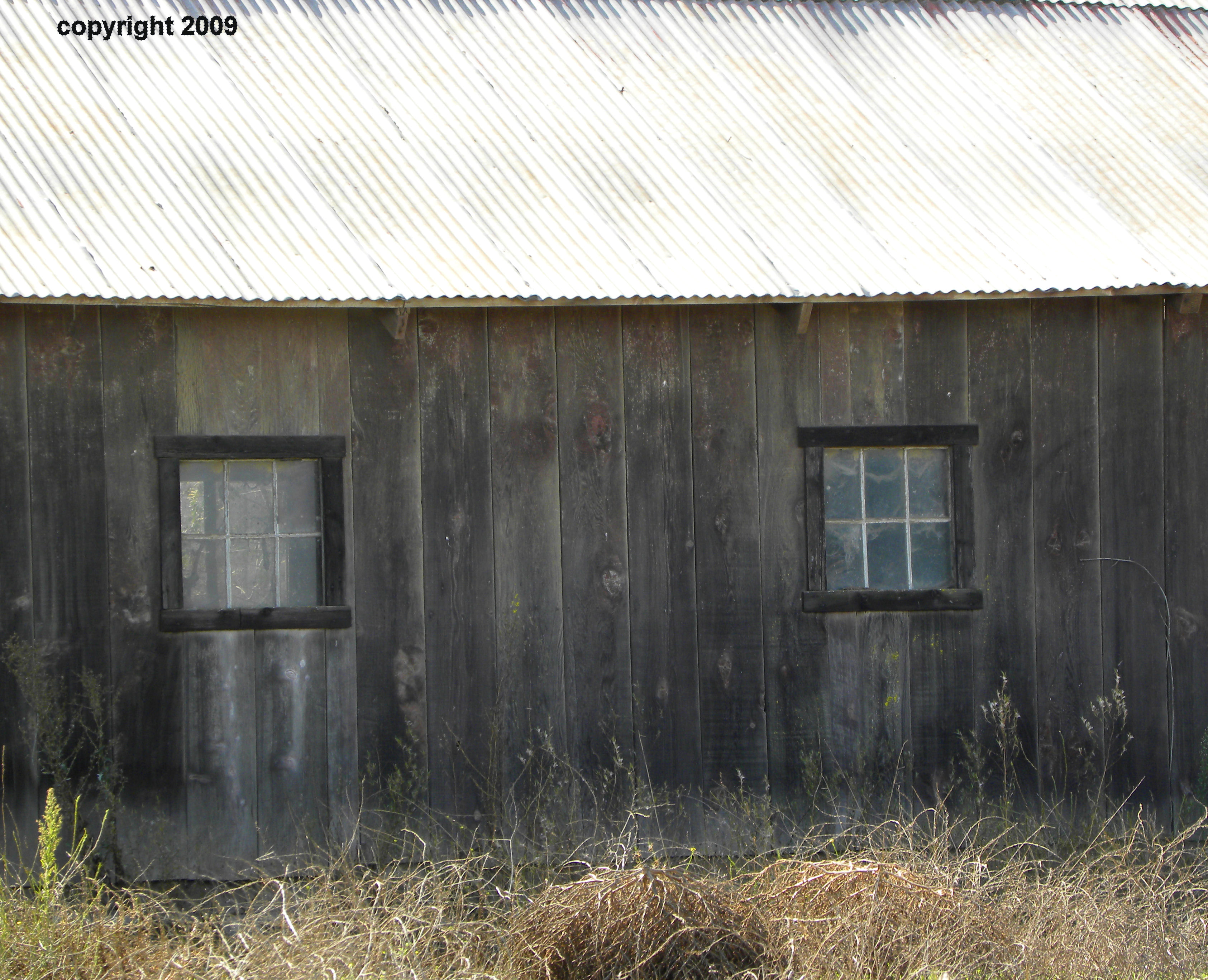
Old barn in Salinas.

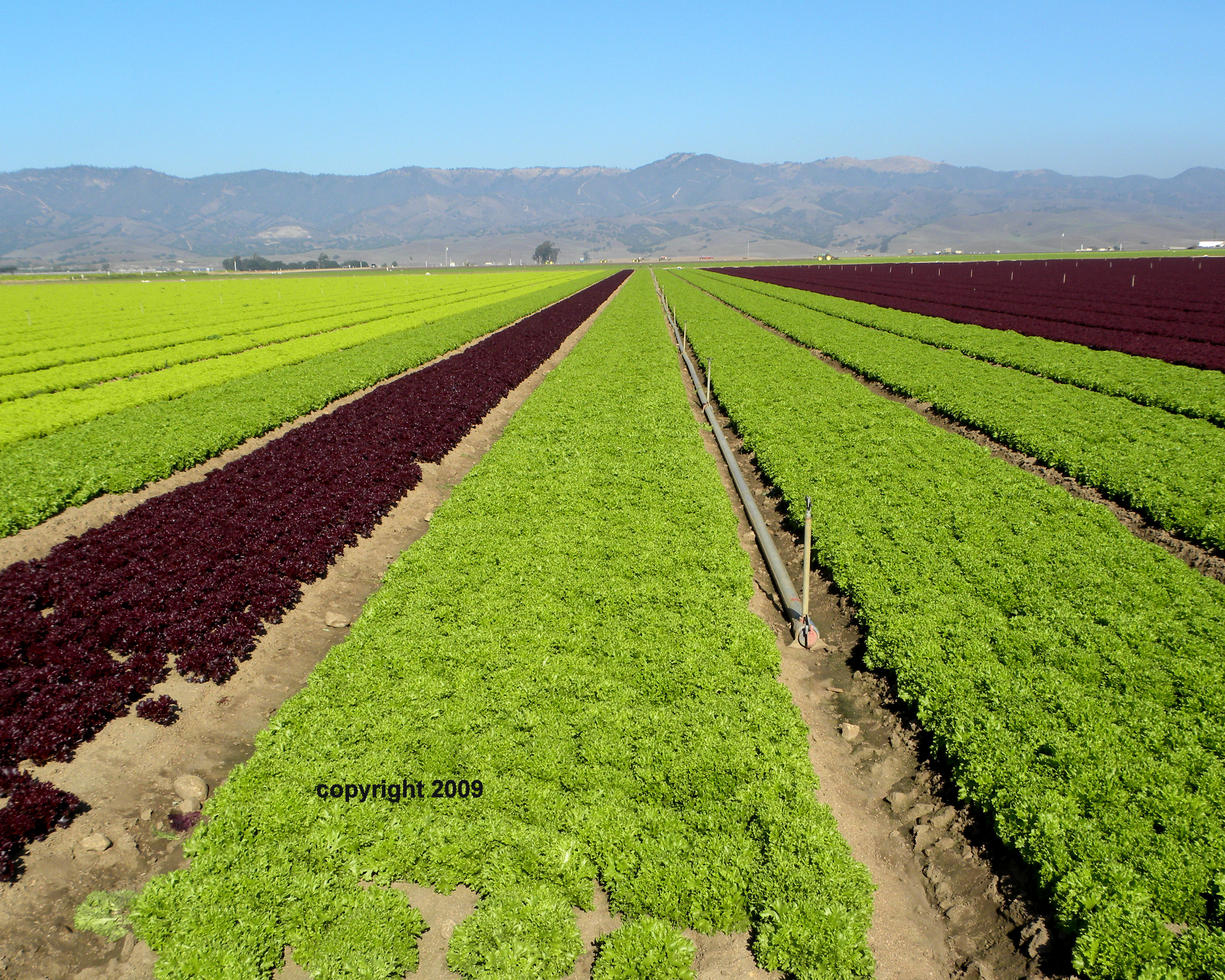
Field of lettuces in Salinas.

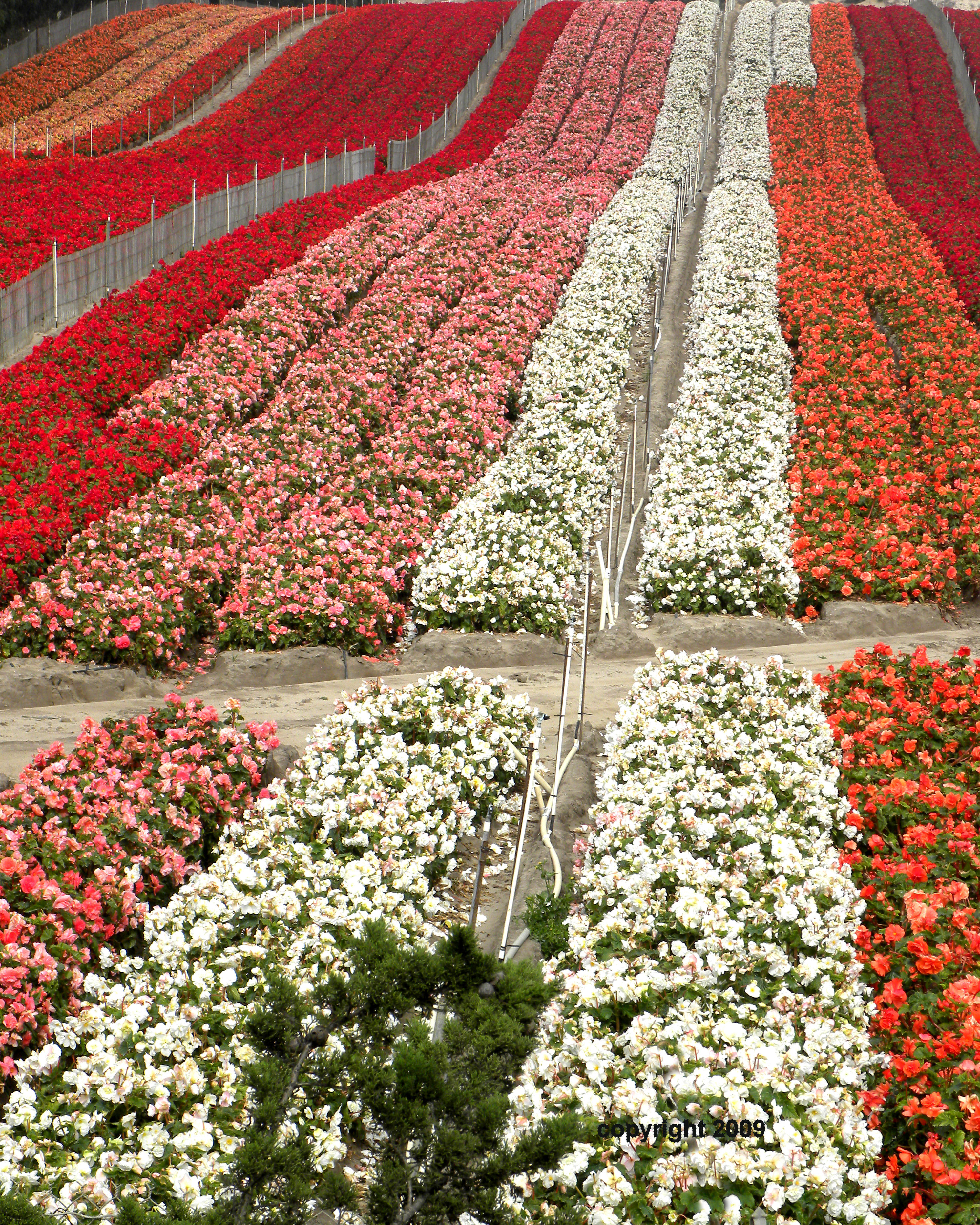
Field of tuberous begonias being grown for their tubers.

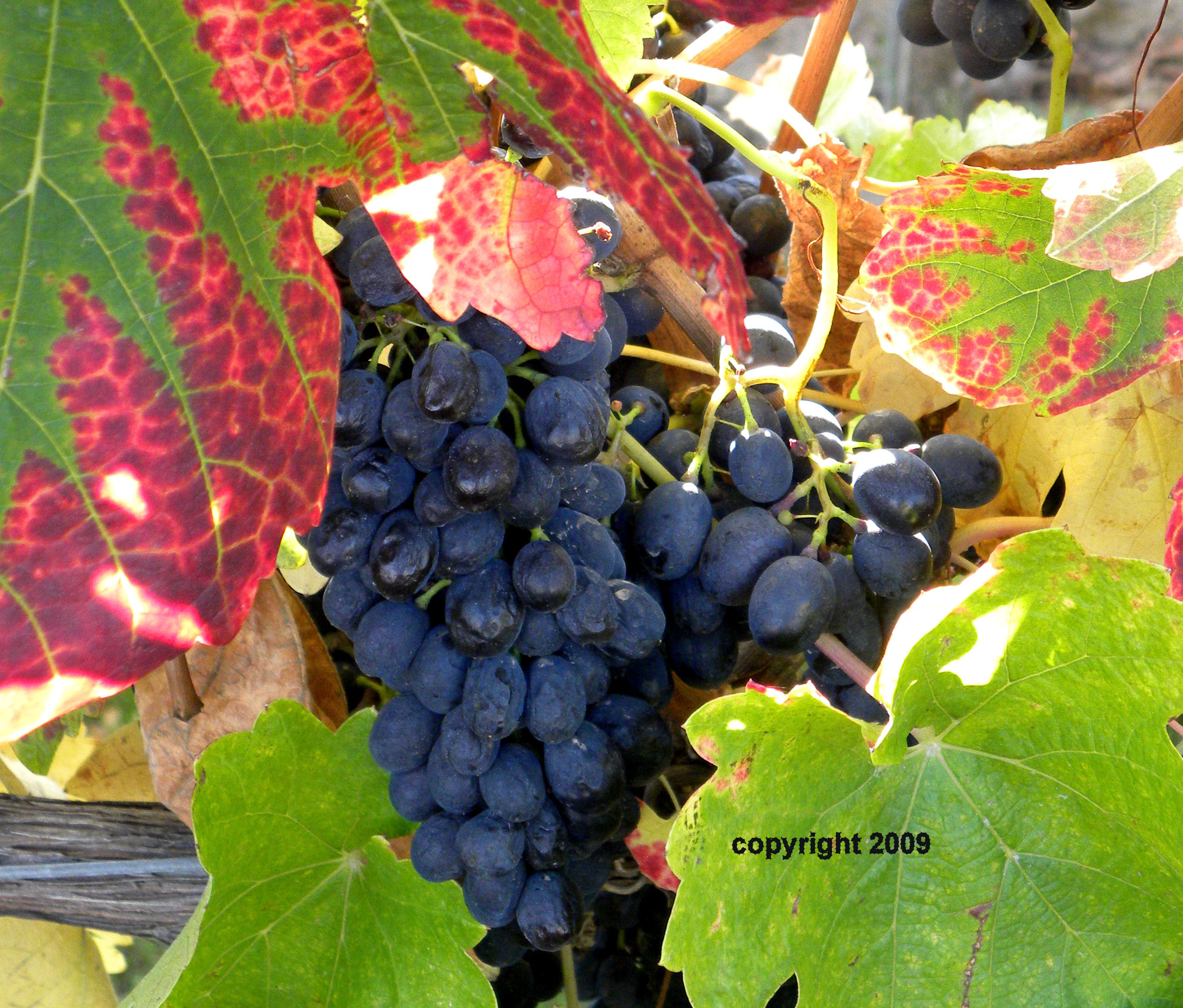
Ripe pinot noir grapes ready for picking.

Bull California sea lion on the docks in Moss Landing, CA

Squabbling sea lions at Fisherman's Wharf

Sleeping sea lion at Fisherman's Wharf (with an iron gate between us).

California ground squirrel

There are so many other photos that I liked, but these were my favorites. Some of the photos were taken during our agriculture tour with Evan Oakes of Agventuretours.com. Great tour. Hope you enjoyed this peek into Monterey and nearby Salinas.

(To read more of Lou Murray’s environmental writing, see her weekly column, Natural Perspectives, in the Huntington Beach Independent at www.hbindependent.com/blogs_and_columns/)

Posted in Uncategorized | Tagged , , , , , , , | 9 Comments

Saga of the dead iris

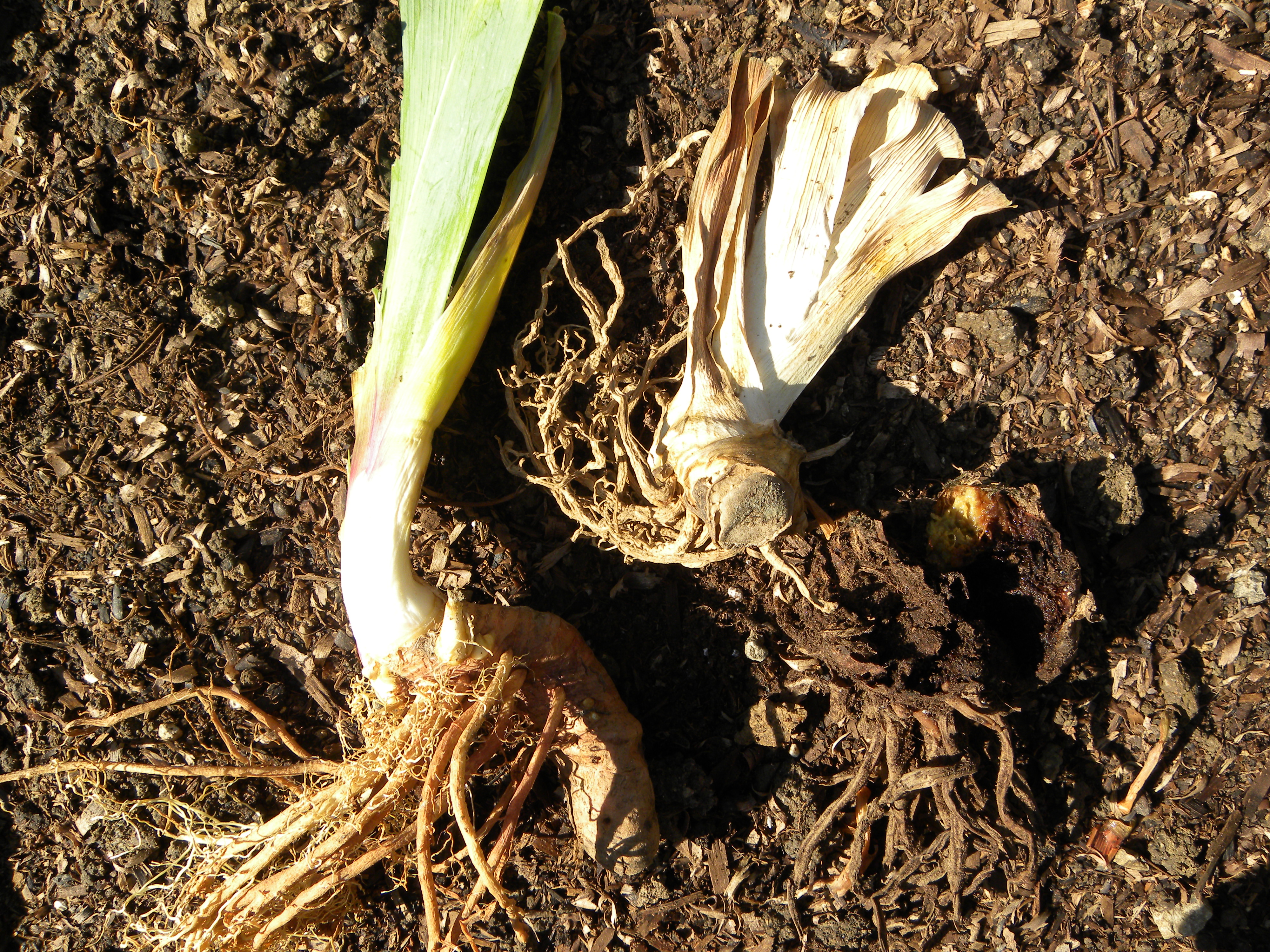
Lowe's dessicated iris on left, Lowe's dead iris in center, healthy Greengarden.com iris right

As I wrote in my last post, one out of the nine bearded iris rhizomes that I just purchased at Lowes Home Improvement nursery center was dead. Departed. Deceased. Rotten to its mushy core. I give you Exhibit A in the photo above. Compare the brown, rotted rhizome in the center to the robust, healthy rhizome on the right from Greenwood Garden in Somis, CA, or even the dessicated but alive Lowes rhizome on the left. The difference is clear.

Exchange of the rotten rhizome for one even as dessicated as the one on the left was all I wanted. I was not distressed that I received a bad bulb. I was not upset. I was not angry. I just wanted a replacement. One that had a chance of surviving. And if that exchange had been accomplished pleasantly or even neutrally, you would have heard no more of the matter. But alas, pleasant is not the experience I had.

I went to the Return Desk, where the job of the people working there is to accept returns. I showed the girl–and it was a young person–the rotted tuber and asked pleasantly to be allowed to exchange it. You would have thought that I’d smeared it upon her personage, or interrupted a personal phone call, or called her away from gossiping to, GASP, actually work.

She scowled and asked how long it had been since I bought it, like it was my fault that it was decrepit. It had been about a week. The fault was not mine.

The rhizome was packaged in a plastic bag with potting soil instead of in a net bag with good circulation. I mean, that kind of packaging was just asking for spoilage. The poor thing was being precomposted. But I didn’t mention that. I just wanted my friggin’ money back so I could get another one of their irises, only this time I wanted a live one.

It took her forever to do whatever it was she had to do, including talking to the manager about the issue. Jeez! It’s dead! Take it back! And she scowled the whole time.

Ahem, customer service means that you provide service to the customer. Is it really all that hard a concept? If a product is obviously spoiled and therefore defective, and your company’s name is right there on the package, you replace the product, no questions asked.

I got no apology for the product being defective. I got no expression of concern from her about the time (and gasoline) it took to drive back to the store to exchange it, or the amount of time it took her to figure out how to do her job. I received no expression of regret over my negative experience. Actually, I wasn’t upset until I tried to exchange the iris. Finally she counted out my money: $4.33.

Things were better in the nursery department, when I relayed my experience at the Returns Desk as I was buying a new iris (and a beautiful poinsettia). The sales staff there sees me often enough that I’m a familiar face. I got the apology and the expression of concern that I had expected.

The problem isn’t Lowes. It was that one clerk at the Returns Desk. With so many people out of work, is she the best Lowes could do? I’m just saying.

(To read more of Lou Murray’s environmental writing, see her weekly column, Natural Perspectives, in the Huntington Beach Independent at www.hbindependent.com/blogs_and_columns/)
Posted in Uncategorized | Tagged , , , , | 2 Comments

Fall is the time to plant iris

A yellow bearded iris in my flower garden last April.

Here in southern California, we plant iris rhizomes from October through December for April bloom. Bearded irises (Iris germanica) are fairly drought tolerant, and do well with roses and day lilies.

My morning gardening activity was to plant ten new bearded iris rhizomes. Most of my existing bearded iris are “Grandma’s Purple Flags,” the old-fashioned purple iris that Vincent Van Gogh painted, but I have a few of the newer, fancy varieties (Starship Enterprise, Vigilante, etc.) as well.

Douglas iris, a California native

Douglas iris

Douglas iris

I also grow Douglas iris (Iris douglasiana) next to our pond in front. Douglas iris, a beardless iris, is a California native that grows naturally in riparian habitats. They require about 30 inches of rain a year–we get 15. So they need a bit of extra water in addition to rain.

I amend the soil for irises with bone meal and Sure Start fertilizer before planting.

I’m an organic gardener, and believe in preparing the soil before planting. I dig an appropriately sized hole, and add a shake of E.B. Stone bone meal and another shake of E. B. Stone Sure Start (an organic fertilizer with mycorrhizae and other beneficial soil microbes). I’m guessing that a shake from the box is about a teaspoon.

I work the fertilizer into the soil with my trowel and add water to the planting hole. I’ve seen habitat restorationists (my day job) put their plants into a dry hole, and it drives me crazy. You want the roots to go DOWN for their water. If you plant in a wet hole, the plants will have water at the bottom and the roots will grow deeply.

If you plant in a dry hole and then add water to the top after filling in the hole, the water often doesn’t get down to the bottom where the new roots are. You get a delay in plant growth at best, and death at worst. So always add water to your planting hole BEFORE adding the plant.

With irises, you don’t want to bury the rhizomes. The crown of the plant should be at the surface. Having a bit of rhizome above the soil is just fine. Position the cut fan of leaves where you want them and adjust the depth of the horizontal rhizome so that it is just barely under the surface.

The iris on the left is a good, healthy rhizome from greenwoodgarden.com. The one in the middle is a dessicated but live rhizome from Lowe's Home Improvement nursery. The one on the right is dead, dead, dead, also from Lowe's.

I’m excited about a new iris rhizome that I received as a gift from Greenwoodgarden.com in Somis, CA. The variety is Ida Red, a deep burgandy wine color. There are no true red irises; most come in shades of blue, purple, white or yellow.

Coincidently, I had just purchased some new bearded iris varieties (Superstition, Clarence, Speeding Again, and Thornbird) from Lowe’s and was ready to plant my fall irises. I can hardly wait to see them all blooming next spring.

(To read more of Lou Murray’s environmental writing, see her weekly column, Natural Perspectives, in the Huntington Beach Independent at www.hbindependent.com/blogs_and_columns/)

Posted in Uncategorized | Tagged , , , , , , , , , , , | 4 Comments